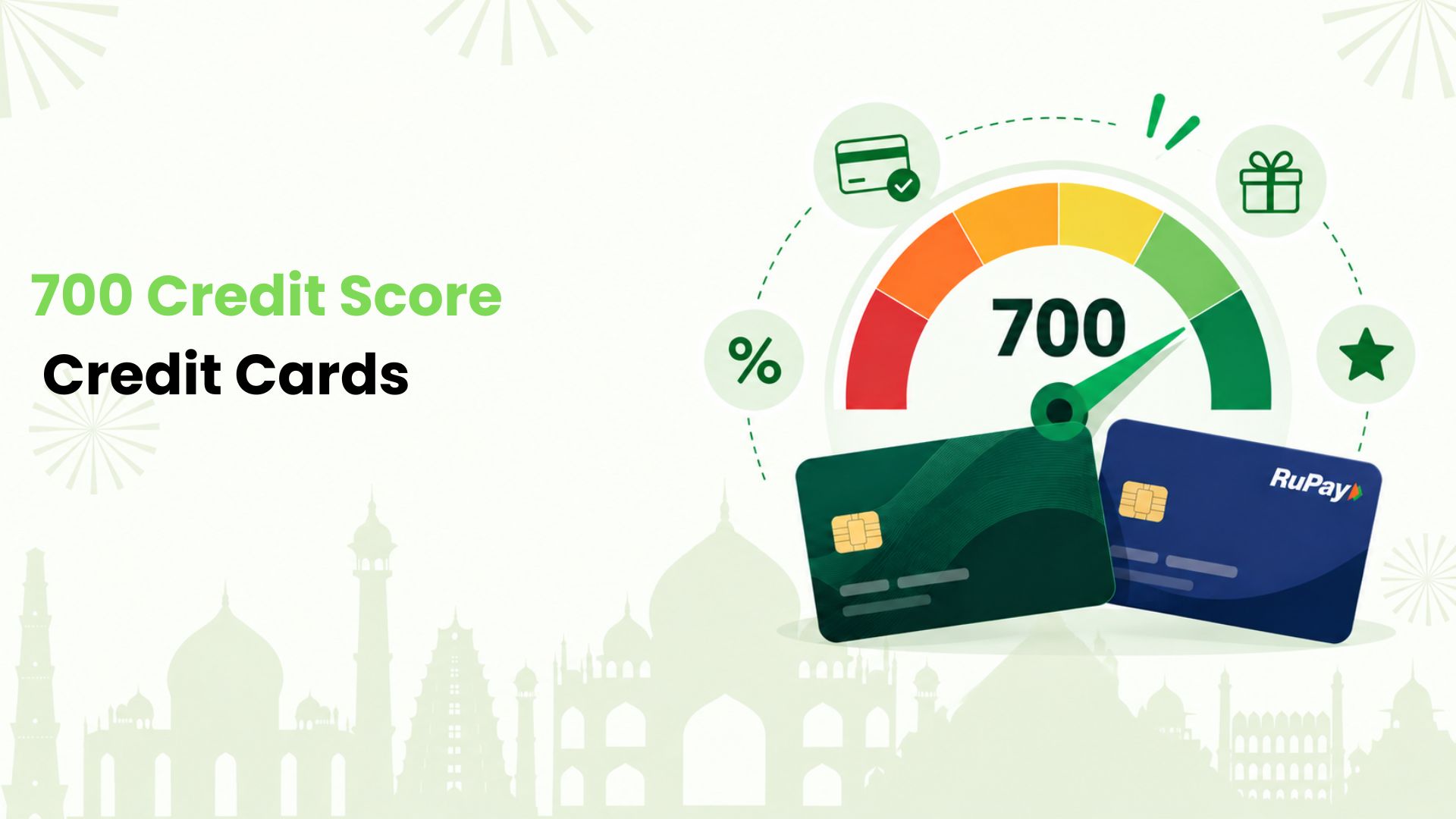
Looking for 700 credit score credit cards? We’ll help you understand your options as an Indian applicant, whether you’re getting your first card or considering a change.
A 700 credit score may leave room for credit card approval. It does not guarantee a particular card, interest rate or spending limit. Banks also look at your income, existing repayments and credit history before making a decision.
Our starting point is simple: find a card that suits the payments you already make and a bill you can comfortably repay. Groceries, online shopping and everyday merchant QR payments are useful places to begin. A long list of perks matters less if you rarely use them.
Here’s how we compare the options, prepare an application and build better credit habits along the way.
What Does a 700 Credit Score Mean?
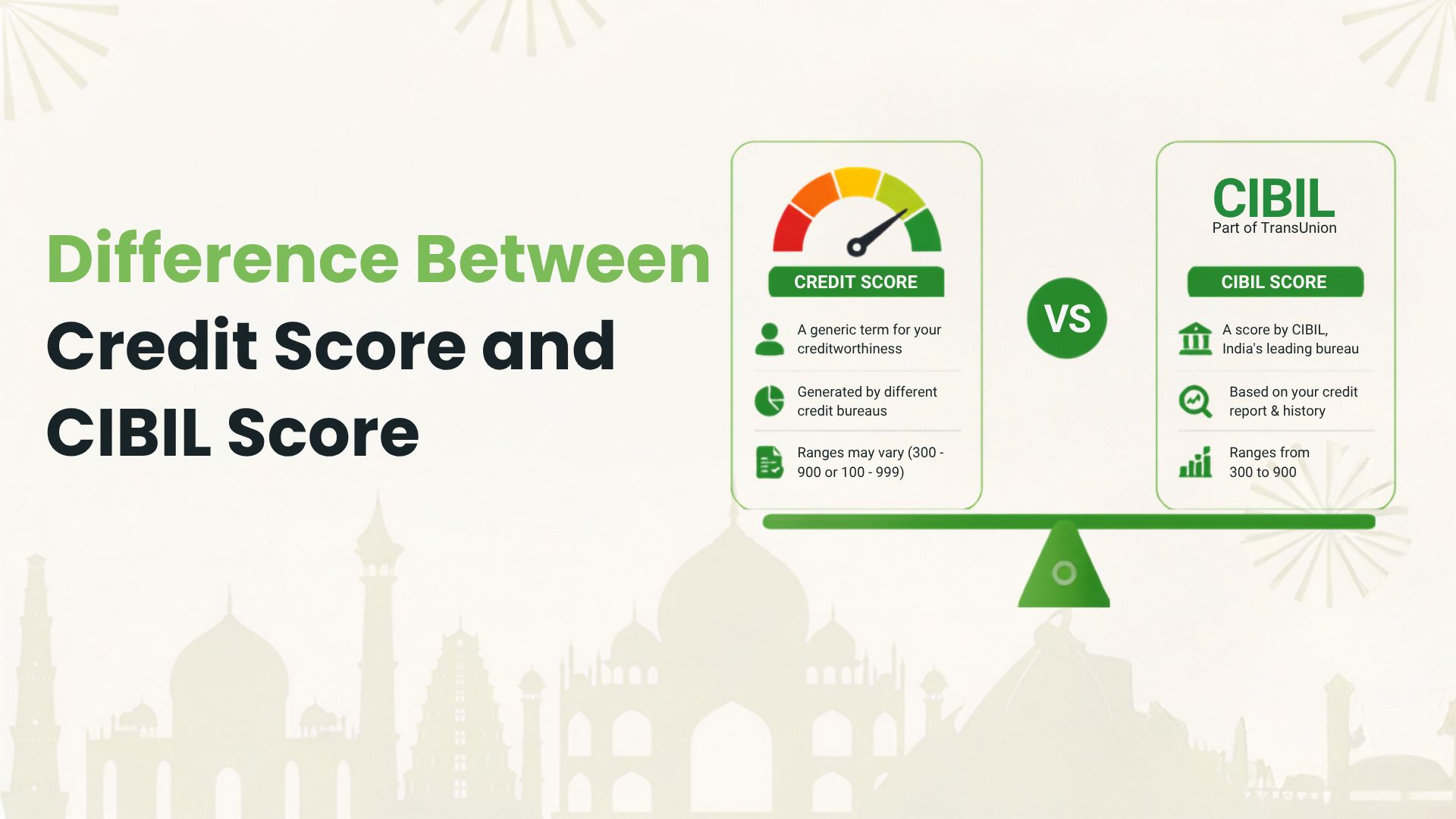
We think of a credit score as a summary of past borrowing behaviour. Your CIBIL score ranges from 300 to 900 and draws on the information in your credit report. That report contains details of credit accounts, repayments and lender enquiries.
A score of 700 can be acceptable to some lenders, while others may prefer a stronger profile. A score of 750 or above is generally a stronger position for credit applications, but even that is not an approval promise.
We avoid treating labels such as “good” or “fair” as universal rules. A bank assesses the full application against its own requirements. Two people with a score of 700 can therefore receive different decisions.
For example, one applicant might have steady income and manageable repayments. Another might have a recent missed payment or heavy existing debt. The same headline score does not describe everything about either person.
Our guide to what is a good credit score explains the wider context. For choosing a card, we focus next on the type of credit and the spending it needs to support.
Which Types of Credit Cards Can We Consider at 700?
There is no single category officially called a “700-score credit card”. We use the phrase to describe options worth investigating, subject to each issuer’s eligibility checks.
Entry-Level Cards for Everyday Purchases
An entry-level card can be a useful starting point for ordinary spending, such as groceries, food delivery or household shopping. We compare the joining fee, annual fee and basic benefits before looking at welcome offers.
These cards still have income and credit checks. “Entry-level” does not mean approval is automatic or that a bank has published a minimum score of 700.
We also check any existing offer from the bank where you hold an account. It gives you a concrete product to assess, although the bank may still require further verification.
Cashback and Shopping Cards
Cashback cards can suit regular purchases when the eligible categories match your routine. We look at where the money comes back, which payments qualify and whether monthly caps reduce the advertised benefit.
The Amazon Pay ICICI Bank Credit Card is one example for readers who shop on Amazon. Its issuer lists no joining or annual fee, with earnings credited to Amazon Pay balance. The applicable earnings depend on the transaction and membership conditions.
We compare that balance-based benefit with how we actually shop. It is different from money paid into a bank account. The issuer’s application availability and checks still apply; we are not presenting it as a card assured at 700.
RuPay Credit Cards for Merchant UPI Payments
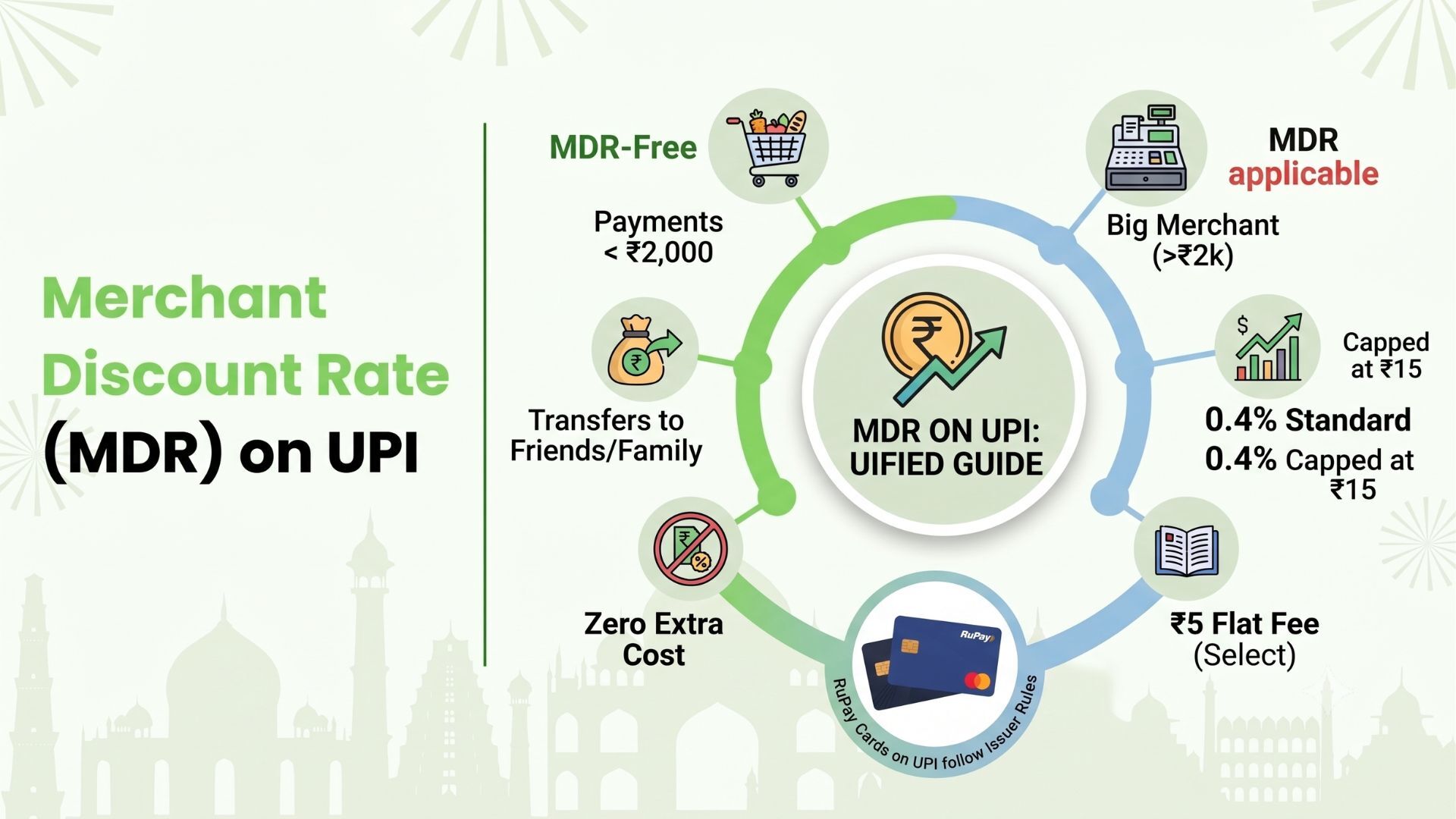
If merchant QR payments make up much of your spending, we would examine eligible RuPay credit cards that support UPI. They let you use a credit card for supported merchant payments through a compatible app.
Think of a grocery purchase or a meal at a participating local restaurant. The payment uses your card’s available credit and appears in the card account. It is still borrowing, even though the scan-and-pay experience feels familiar.
We check merchant acceptance, excluded categories and the applicable cashback terms. A UPI QR code alone does not mean every credit-card payment will work. This facility is not for sending money to friends or transferring funds to your own bank account.
Fixed-Deposit-Backed Cards
A secured card is backed by money held in a fixed deposit, or FD. We would consider this route when an unsecured card is difficult to access and keeping a deposit aside is practical.
For example, IDFC FIRST Bank describes FIRST EA₹N as an FD-backed virtual credit card for UPI payments. It offers a way to use credit for eligible everyday merchant purchases while the deposit supports the facility.
The trade-off is access to your savings. The deposit is held as security, and the bank’s rules govern its release and the card’s closure. We read those conditions before committing money needed for near-term expenses.
An FD-backed card also needs repayment. The deposit does not make card purchases free or remove the consequences of unpaid bills. Identity checks and product conditions still apply.
Travel and Lifestyle Cards
Travel cards deserve a place in the comparison only when travel is a regular expense. We look at booking benefits, redemption rules and any annual fee against trips already planned.
For someone mainly paying for groceries and local shopping, a travel-focused card may add complexity without much value. A welcome benefit is less useful if it requires extra spending to unlock it.
We do not assume that a 700 score qualifies someone for a premium card. The issuer’s income, relationship and other criteria matter, and premium benefits can come with specific usage conditions.
What Else Will the Issuer Check?
We prepare for the application by looking beyond the score. These details help explain why a card advertised online may not be available to every reader.
Income and Existing Commitments
A bank needs to assess your ability to repay another credit account. Depending on the product and your work, it may ask for salary slips, bank statements or income-tax documents.
We compare income with existing EMIs and other regular commitments before applying. A card limit should not become a way to cover a persistent gap between income and spending.
For illustration, two people earning the same salary may have very different room in their budgets if one already has several loan repayments. Salary alone cannot tell us what limit either person will receive.
Repayment Record and Current Balances
The bank may examine recent overdue amounts, settled accounts and how much credit is already in use. A score is a summary; these account details show more of the underlying picture.
We check that the application reflects our current circumstances accurately. If an old balance has been cleared, it is worth reviewing whether the report shows the updated position.
Product Rules and Verification
Age, residence, location coverage and employment requirements can differ between cards. We read the criteria for the exact product rather than rely on a general “credit card eligibility” page.
Consistent identity and income information also matters. A missing document or a mismatch between application details can require clarification. Guessing an income figure to fit a product does not solve an eligibility gap.
How We Compare a Card’s Real Cost
We prefer a comparison based on an ordinary month. Write down where you spend, estimate the benefit on eligible purchases, then subtract the costs you would actually pay.
Start With Fees
We check joining and annual fees separately. We also distinguish a lifetime-free card from one whose annual fee is waived only after a spending target.
If a fee waiver needs purchases beyond your normal budget, it may offer little practical value. The useful question is whether existing spending meets the condition without adding new purchases.
No annual fee does not mean no possible charges. Interest charges, late-payment charges and transaction-specific fees may still apply under the issuer’s terms.
Check What Counts Towards Cashback
We look for category exclusions, payment-method restrictions, earning caps and redemption rules. A headline rate tells only part of the story.
Here is an illustrative comparison, not an offer from a particular card. Suppose ₹8,000 of monthly spending qualifies for 1% cashback. That produces ₹80 a month, or ₹960 across 12 similar months. If the card costs ₹1,000 a year before taxes, those earnings alone do not cover its annual fee.
This calculation also assumes every planned purchase qualifies. We reduce the estimate for excluded transactions and avoid counting a one-time welcome offer as a recurring annual benefit.
Understand the Cost of Carrying a Balance
We read the annual percentage rate, or APR, in the issuer’s Most Important Terms and Conditions. APR expresses the annualised rate used to describe borrowing costs; the actual charge depends on the issuer’s calculation rules.
Paying only the minimum amount due usually leaves an unpaid balance that can attract interest charges. It can also affect the interest-free period on purchases. A cashback benefit can be outweighed by those costs.
Our explanation of how revolving credit works covers the spend-and-repay cycle. We make sure we understand that cycle before comparing reward rates.
What Credit Limit Can We Expect With a 700 Score?
We cannot translate a score of 700 into a fixed rupee limit. An issuer decides the limit using its assessment of income, existing exposure, repayment capacity and product rules.
Claims that every applicant at 700 will receive ₹1 lakh or more are therefore unhelpful. The useful figure is the limit actually offered after assessment.
For an FD-backed card, the limit is linked to the deposit under that product’s rules. We check the specific relationship between deposit size and available credit rather than assume every issuer uses the same percentage.
Once a card is approved, we would set a personal spending budget below the available limit. For example, an approved ₹50,000 limit does not make ₹50,000 affordable if only ₹8,000 is available for card repayments that month.
Our Application Checklist
We would work through these steps before submitting a formal application:
- Review the current credit report. Check the account details, outstanding amounts and recent enquiries, not just the score displayed at the top.
- Choose one main use case. Decide whether the priority is merchant UPI payments, online shopping or another recurring expense.
- Read the product requirements. Confirm age, location, income and any deposit conditions before spending time on the form.
- Compare the full terms. Check fees, interest charges, cashback exclusions and repayment requirements.
- Prepare accurate documents. Keep the requested identity, address and income information ready. Requirements vary by issuer.
- Submit a considered application. Save the acknowledgement and follow any verification steps through official channels.
We would also read the consent wording on eligibility tools. Checking your own CIBIL score does not lower it. A lender’s formal application check is different and can leave an enquiry on your report.
Sending applications to several issuers at once makes it harder to track the process and can add multiple enquiries. We would first establish whether a product fits before submitting personal details.
Habits We Would Build After Approval
Getting a card is only the beginning. We would set up a routine that makes the bill predictable and easy to manage.
Keep Track of the Share of Credit Used
Credit utilisation means the proportion of your available limit currently used. If the limit is ₹40,000 and the outstanding balance is ₹10,000, utilisation is 25%.
Keeping utilisation low is a useful credit habit. Below 30% is a common guideline, not a guaranteed score-improvement formula or permission to spend beyond your budget.
We monitor small UPI purchases alongside larger card payments. Several everyday purchases can add up before the statement arrives. Our guide to credit utilisation for RuPay card users explains the calculation in more detail.
Know the Statement Date and the Due Date
We note both dates in the app or statement. The statement date marks the end of a billing period. The payment due date is the deadline for the amount billed. They serve different purposes.
For example, a purchase made after a statement is generated may appear in the next billing cycle. It still uses available credit immediately. We would include it in our budget even when it is absent from the current bill.
This is also why checking only the last statement can give an incomplete picture of current spending. The latest account balance helps us see newer purchases as well.
Make Full Repayment Part of the Routine
We plan for the total amount due and check the due date when the statement arrives. Reminders or an available automatic-payment option can help, provided enough money is in the paying account.
Payment confirmation matters too. We check that the amount has reached the card account instead of assuming a payment instruction completed successfully.
Our guide to credit card bill payment mistakes offers related reading. The practical aim is to make repayment a planned monthly task.
Review Progress Without Chasing a Deadline
We review reports periodically and raise a dispute if information looks wrong. Accurate negative information cannot simply be erased because we want a higher score.
There is no fixed timetable for moving from 700 to 750. Changes depend on the full report, lender updates and the bureau’s scoring model. Consistent habits matter more than repeatedly checking for a particular number.
We do not take an unnecessary loan just to add another type of credit. A new repayment commitment should have a real purpose and fit the budget.
What If the Application Is Rejected?
We pause before submitting another application. First, read the issuer’s communication and ask for clarification where needed. The reason may relate to eligibility, verification or the credit profile.
Then address the specific issue. That might mean correcting a reporting error, supplying the right document or allowing time to establish a more consistent repayment record.
If unsecured options remain unsuitable, we compare the conditions of an FD-backed card and the cost of keeping savings tied up. Waiting can also be a reasonable choice when a new card is not essential.
A rejection is an application outcome, not a reason to buy an unnecessary “guaranteed approval” service. We keep future applications tied to a clear need and a better-understood product.
Where Kiwi Fits Into Everyday Payments
If your main use case is merchant QR payments, we can help you explore UPI on credit through Kiwi. Eligible users can use a supported RuPay credit card to scan and pay at supported merchants, with transaction visibility and card payment management in the app.
That can be useful for regular purchases, such as groceries or food at a participating restaurant. Cashback applies to eligible transactions under the relevant card and programme terms.
Kiwi works with partner banks. The card issued depends on your credit score and partner-bank requirements. A 700 score does not establish eligibility for a particular Kiwi partner card.
To get started, download the Kiwi app through our website and complete the application and required verification. Review the offer and terms presented to you. Digital card access follows approval; applicants cannot simply select a particular partner-bank card.
We also keep the credit distinction clear: paying through UPI does not turn a credit-card purchase into a debit payment. Our article on UPI credit cards and credit scores explains why repayment and utilisation still matter.
Make Your Next Everyday Payment More Useful
A 700 score is a starting point for comparing options. We would choose around everyday needs, transparent costs and a repayment routine that works.
Already scan and pay for groceries or your lunch break? Explore UPI on credit with Kiwi and see how eligible merchant payments can fit into your routine. Start with the spending you already do, then review the application requirements and applicable terms.
We share this guide for general education. Card approval, limits, fees and benefits depend on the issuer and applicable product terms.
FAQs
Is a 700 Experian Score the Same as a 700 CIBIL Score?
We check which bureau produced the score. Different bureaus can use different models and information, so matching numbers need not represent identical profiles. The issuer decides which bureau information it uses.
Can We Apply Without a Regular Salary?
A monthly salary is not the only form of income. We check whether the product accepts self-employed applicants and what evidence it requests. An FD-backed option may have different documentation requirements from an unsecured card.
Will a Higher Score Automatically Increase the Limit?
We do not expect an automatic increase. The issuer may require a request, updated income information or another assessment. Any increase also needs to fit what you can repay comfortably.
Do We Need to Carry Debt to Build Credit?
No. We do not need to leave a balance unpaid or pay interest simply to build a repayment record. Using a card within budget and paying the full bill on time is compatible with responsible credit use.
Should We Close an Older Card Before Applying?
We would consider its fees, usefulness and effect on total available credit first. Closing a card is not automatically helpful. If keeping it creates unnecessary cost or makes spending harder to manage, those factors deserve attention too.
Disclaimer: The information provided in this article is for general informational and educational purposes only and should not be considered financial, banking, or credit advice. Credit card eligibility, approval, credit limits, interest rates, fees, rewards, cashback, and other benefits may vary based on the issuer’s policies, applicant profile, and applicable terms, and may change over time. Users should verify the latest eligibility criteria, charges, features, and terms with the respective card issuer before applying. Kiwi-related information is subject to applicable eligibility criteria, partner-bank requirements, product terms, conditions, and rewards policies.