If you’re using a RuPay credit card or planning to apply for one in 2026, you’ve probably noticed that banks love using complicated words. Annual fees, interchange, UPI linking, merchant categories—it can feel like learning a new language altogether. This RuPay Credit Card Glossary breaks down every important RuPay credit card term in simple, everyday language, so you know exactly what you’re signing up for and how to use your card smarter.
Whether you’re comparing the best RuPay credit cards, linking your card to UPI, or just trying to understand your statement better, this guide has you covered.
What Is a RuPay Credit Card?
A RuPay Credit Card is a domestic card network developed by National Payments Corporation of India (NPCI). Unlike Visa or Mastercard, RuPay is designed specifically for India, which means lower processing costs, better UPI integration, and growing acceptance across online and offline merchants.
RuPay cards now work for shopping, bill payments, subscriptions, and even UPI payments via credit card, which has made them especially popular in 2025 and 2026.
RuPay Credit Card Glossary: Key Terms Explained
Credit Limit
This is the maximum amount your bank allows you to spend on your RuPay credit card at any given time. If your credit limit is ₹1,00,000, you cannot spend more than that unless you repay part of the balance.
Banks usually set this limit based on your income, credit score, and repayment history.
Billing Cycle
A billing cycle is the period during which your card transactions are recorded. It usually lasts 30 days. Once the cycle ends, your bank generates a statement listing all your spends, dues, and minimum payment.
Understanding your billing cycle helps you time purchases to get up to 45–50 days of interest-free credit.
Statement Date
This is the date when your credit card statement is generated. All transactions made before this date appear in the current bill, while later transactions move to the next cycle.
Due Date
The due date is the last date by which you must pay your credit card bill to avoid late fees and interest. Missing this date can impact your credit score badly, even if the amount is small.
Minimum Amount Due (MAD)
This is the smallest amount you need to pay to keep your account active. However, paying only the minimum is expensive because interest starts applying to the remaining balance immediately.
From a smart-money perspective, always pay the total outstanding amount, not just the minimum.
Interest-Free Period
The interest-free period is the window between your purchase date and the due date, during which no interest is charged. On RuPay credit cards, this usually ranges from 20 to 50 days, depending on when you swipe.
Annual Percentage Rate (APR)
APR is the yearly interest rate charged if you don’t clear your full bill. Most RuPay credit cards have an APR between 36% and 42% annually, which is why carrying balances for long periods is never a good idea.
Annual Fee / Joining Fee
Some RuPay credit cards charge a joining fee when you apply and an annual fee every year. Many entry-level RuPay cards are lifetime free, while premium cards may waive fees if you meet annual spend milestones.
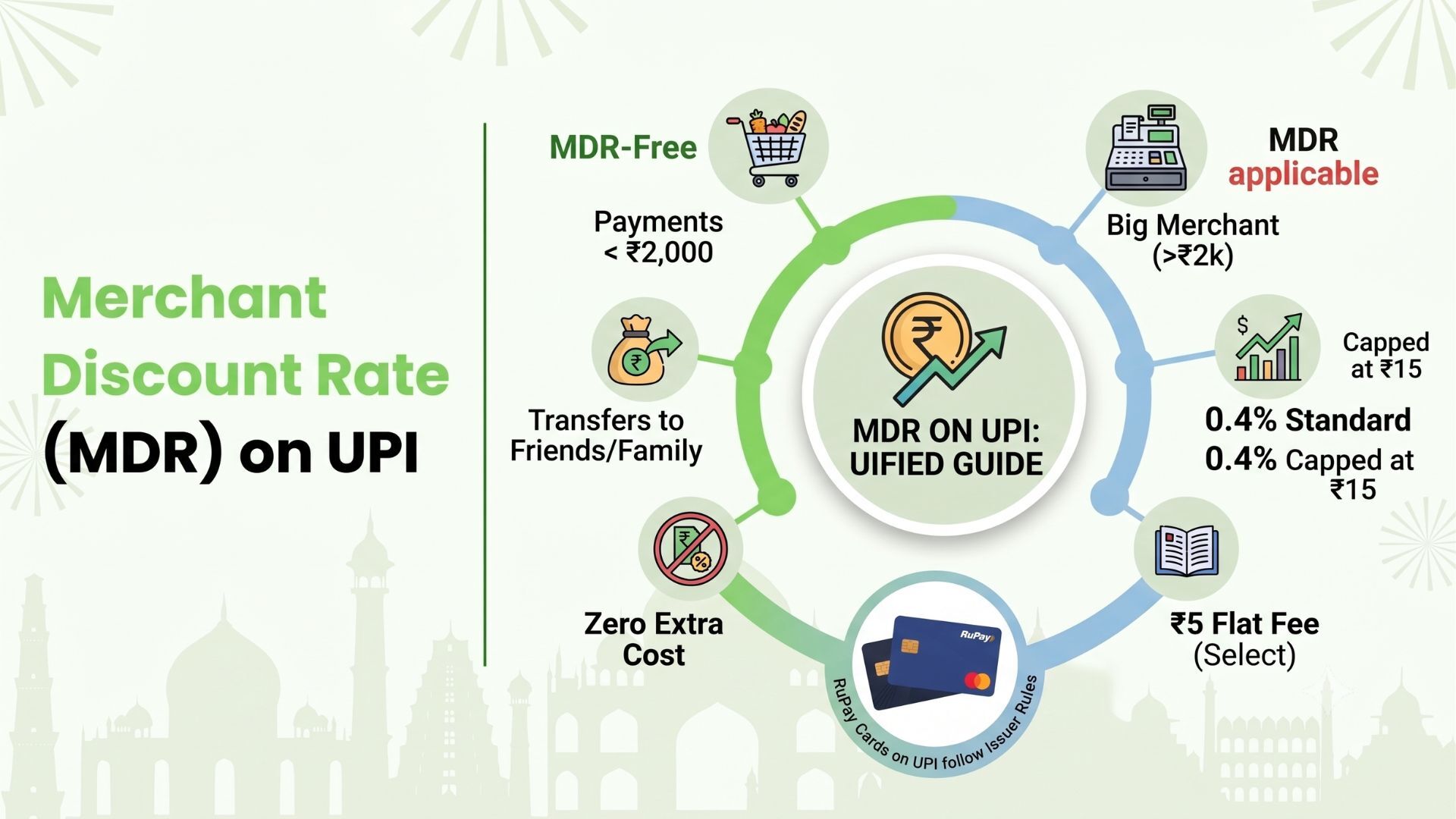
Merchant Discount Rate (MDR)
MDR is the fee merchants pay to accept card payments. RuPay typically has a lower MDR than Visa or Mastercard, which is why many small businesses prefer RuPay cards.
For users, this indirectly means wider acceptance and fewer surcharges.
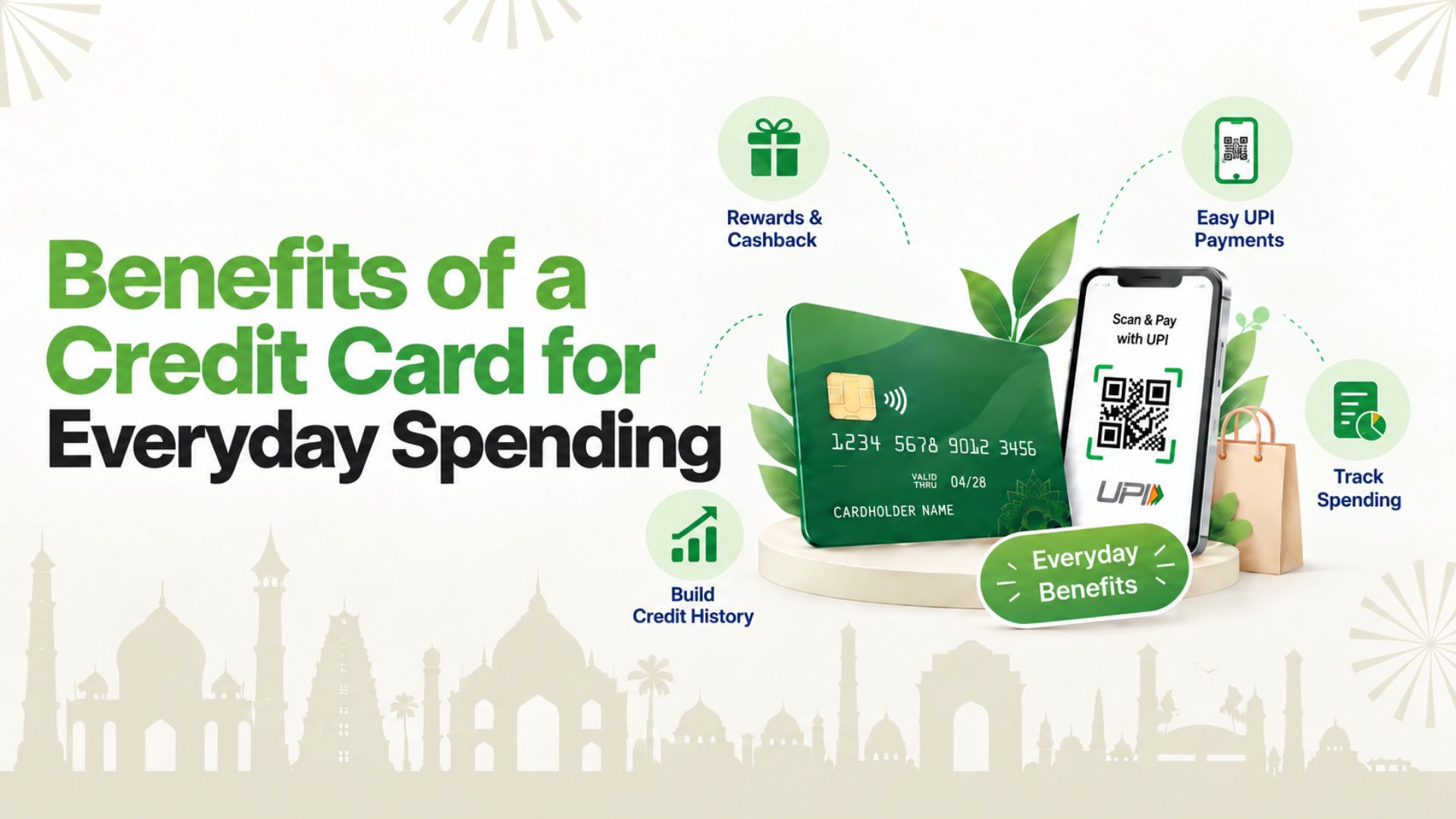
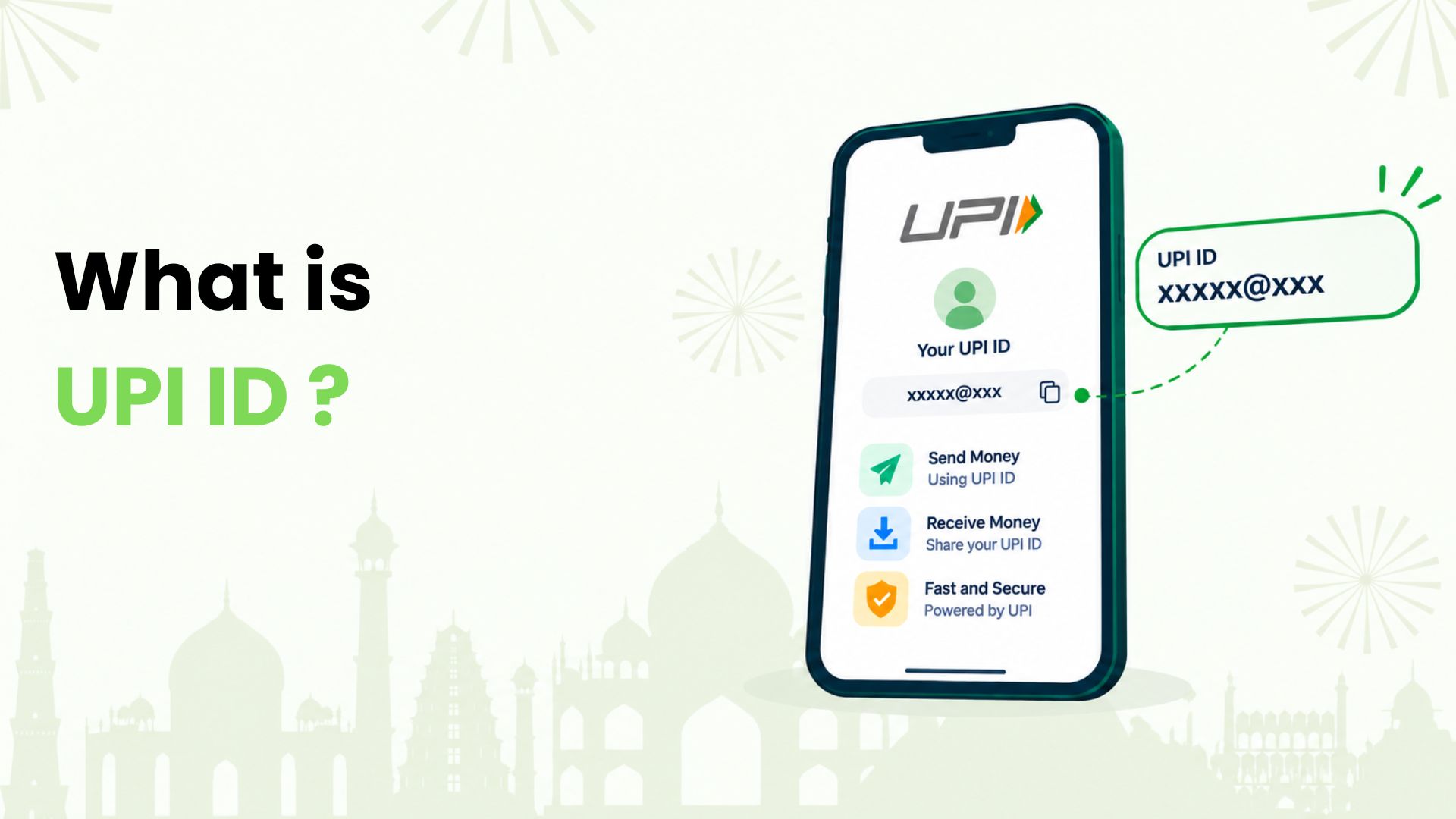
RuPay Credit Card on UPI
This feature allows you to link your RuPay credit card to UPI apps and make payments by scanning QR codes. Instead of money leaving your bank account, it gets charged to your credit card.
This is one of the biggest reasons RuPay cards are growing fast in 2026.
Tokenisation
Tokenisation replaces your actual card number with a secure digital token for online transactions. This improves security and reduces fraud, especially for recurring payments and e-commerce sites.
EMV Chip
The EMV chip is the small metallic chip on your RuPay card that encrypts transaction data. It makes card cloning extremely difficult compared to magnetic stripe cards.
Contactless (Tap-to-Pay)
Contactless RuPay cards allow you to tap your card on the machine for small payments without entering a PIN. In India, this is usually enabled for transactions up to ₹5,000.
Cash Advance
A cash advance allows you to withdraw cash using your RuPay credit card at an ATM. This comes with high fees and immediate interest, so it should only be used in emergencies.
Credit Utilisation Ratio
This shows how much of your available credit limit you are using. Experts recommend keeping utilisation below 30% to maintain a healthy credit score.
Reward Points
Many RuPay credit cards offer reward points on spends like fuel, groceries, UPI payments, or dining. These points can be redeemed for vouchers, cashback, or statement credits.
Always check if UPI spends earn rewards, as this varies by card.
Fuel Surcharge Waiver
Some RuPay cards refund the fuel surcharge (usually 1%) on petrol pump transactions within a specific amount range. This is useful if you drive regularly.
Add-On Card
An add-on card is issued to a family member under the same credit limit as the primary card. All spends appear in one statement, making tracking easier.
Card Network
The card network processes your transactions. In this case, the network is RuPay, which works closely with Indian banks and UPI infrastructure.
Why Understanding RuPay Credit Card Terms Matters in 2026
RuPay cards are no longer just “budget cards.” With UPI integration, government backing, and increasing premium offerings, they are becoming a serious alternative to international networks.
Knowing these terms helps you:
- Avoid unnecessary interest and penalties
- Choose the right RuPay card for your spending style
- Maximise rewards and UPI benefits
- Build a stronger credit score over time
Final Thoughts
A RuPay credit card can be extremely powerful if you understand how it works. Once the jargon is clear, you stop fearing your statement and start using credit strategically.
If you’re researching the best RuPay credit cards in 2026, this glossary is the foundation you should start with.