
Many people believe you need a home loan or car loan to build a good credit score. That’s not true. Thousands of users on Reddit and finance forums have built strong credit profiles without taking any big loans. You just need the right habits and the right tools.
This guide shows how to build your credit score steadily and safely—without long-term debt.
1. Start With a Credit Card, Not a Loan
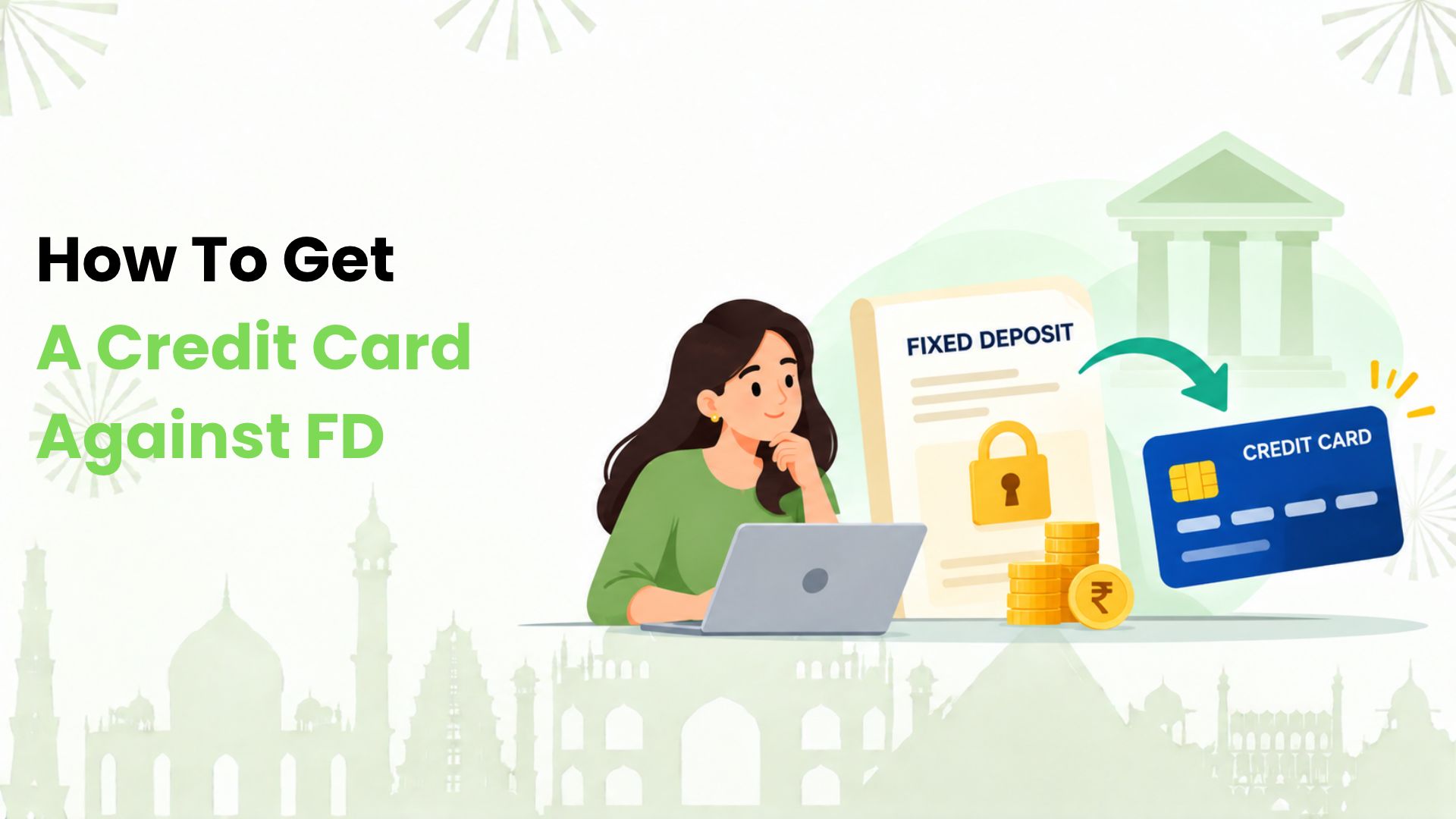
A credit card is the simplest way to enter the credit system. You don’t need a large limit. Even a ₹10,000–₹20,000 limit works.
Why credit cards help:
- Monthly usage is reported to credit bureaus
- On-time payments build trust
- You control how much you borrow
If you are new, start with:
- A secured credit card
- A beginner or entry-level card
- A UPI credit card for daily spends
2. Use the Card Every Month (But Spend Small)
Credit score improves with activity, not inactivity. Many beginners make the mistake of not using their card at all.
Use your card for:
- Groceries
- Mobile recharge
- Utility bills
- Fuel
- Food orders
Keep spending under 30% of your limit. Low usage shows discipline and improves your score faster.
3. Pay the Full Bill Every Single Time
This is non-negotiable.
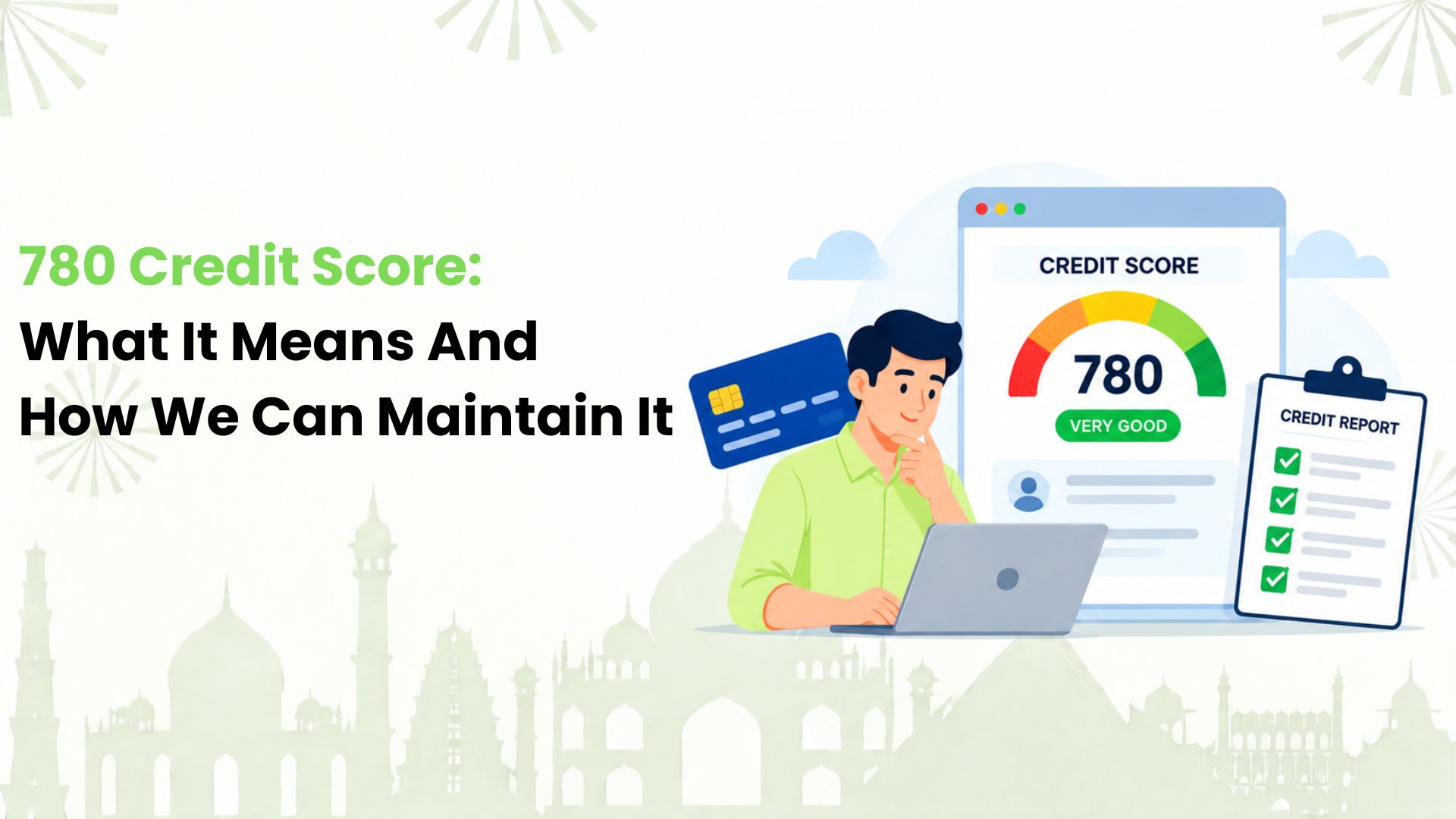
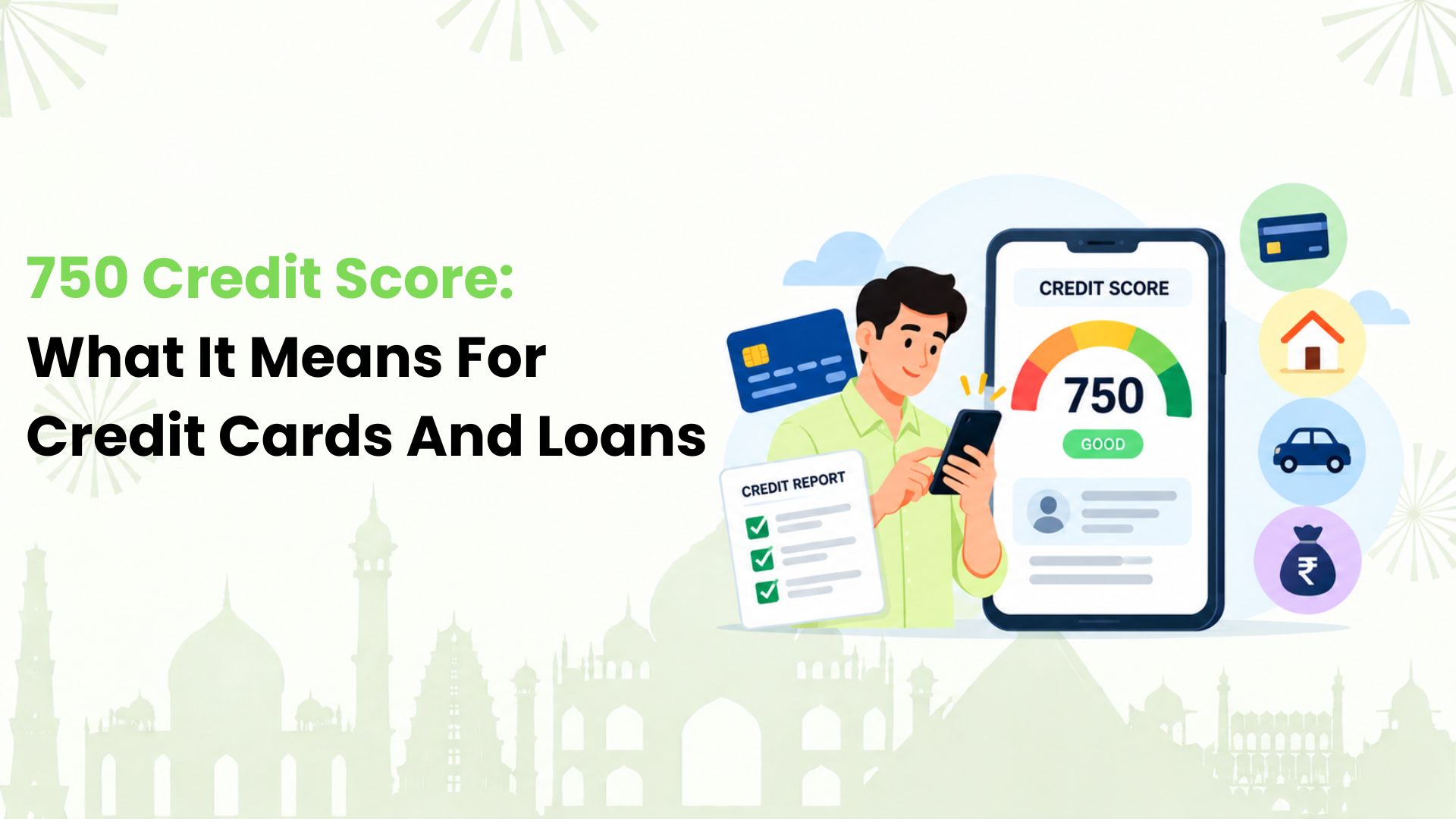
Your payment history is the most important factor in your credit score.
What to do:
- Always pay the full amount
- Pay before the due date
- Enable AutoPay if possible
Even one late payment can hurt your score for months.
4. Learn the Statement Date Trick
Most people only track the due date.
But banks report your usage on the statement date.
If your balance is high on that day, your score drops—even if you pay later.
Smart habit:
- Clear large spends 2–3 days before the statement is generated
- Keep the reported balance low
This alone can improve your score noticeably.
5. Use Small, Frequent Transactions
Credit bureaus like consistency. Using your card once for ₹20,000 looks riskier than using it 10 times for ₹2,000.
Small, regular transactions show healthy behaviour. This is where UPI-linked credit cards help, because they fit into daily spending naturally.
6. Avoid “Buy Now, Pay Later” for Credit Building
BNPL apps look convenient, but many don’t report to credit bureaus properly.
Some even hurt your profile if payments are delayed. If your goal is credit score improvement, stick to:
- Credit cards
- Properly reported EMI products
7. Don’t Apply for Too Many Products
Every application creates a hard inquiry.
Too many inquiries reduce your score.
Space out:
- Credit card applications
- Loan checks
A gap of 3 months is ideal.
8. Check Your Credit Report Regularly
Many first-time users have errors in their reports.
Wrong overdue amounts. Closed accounts marked active. Duplicate entries.
Check your report every 3–4 months.
Dispute errors immediately.
Fixing mistakes can boost your score without spending a rupee.
9. Be Patient—but Consistent
A credit score is not built in one month. But with clean payments and low usage, visible improvement starts within 3–6 months.
Consistency beats big loans every time.
Final Thoughts
You don’t need a car loan or home loan to build credit. A single credit card, used wisely, is enough. Spend small. Pay on time. Keep usage low. That’s how strong credit profiles are built—without stress or long-term debt.