UPI has already replaced cash for most Indians. Now, credit cards are joining the UPI ecosystem as well. If you’ve recently heard terms like “UPI credit line,” “RuPay credit on UPI,” or “scan & pay using credit card,” you’re not alone—and you’re definitely not expected to understand everything instantly. This UPI Credit Card Glossary explains all important UPI credit card terms in plain English, so you can confidently use credit cards on UPI without confusion, hidden charges, or mistakes.
Whether you’re researching the best UPI credit card in 2026 or already using one, this guide clears the jargon.
What Is a UPI Credit Card?
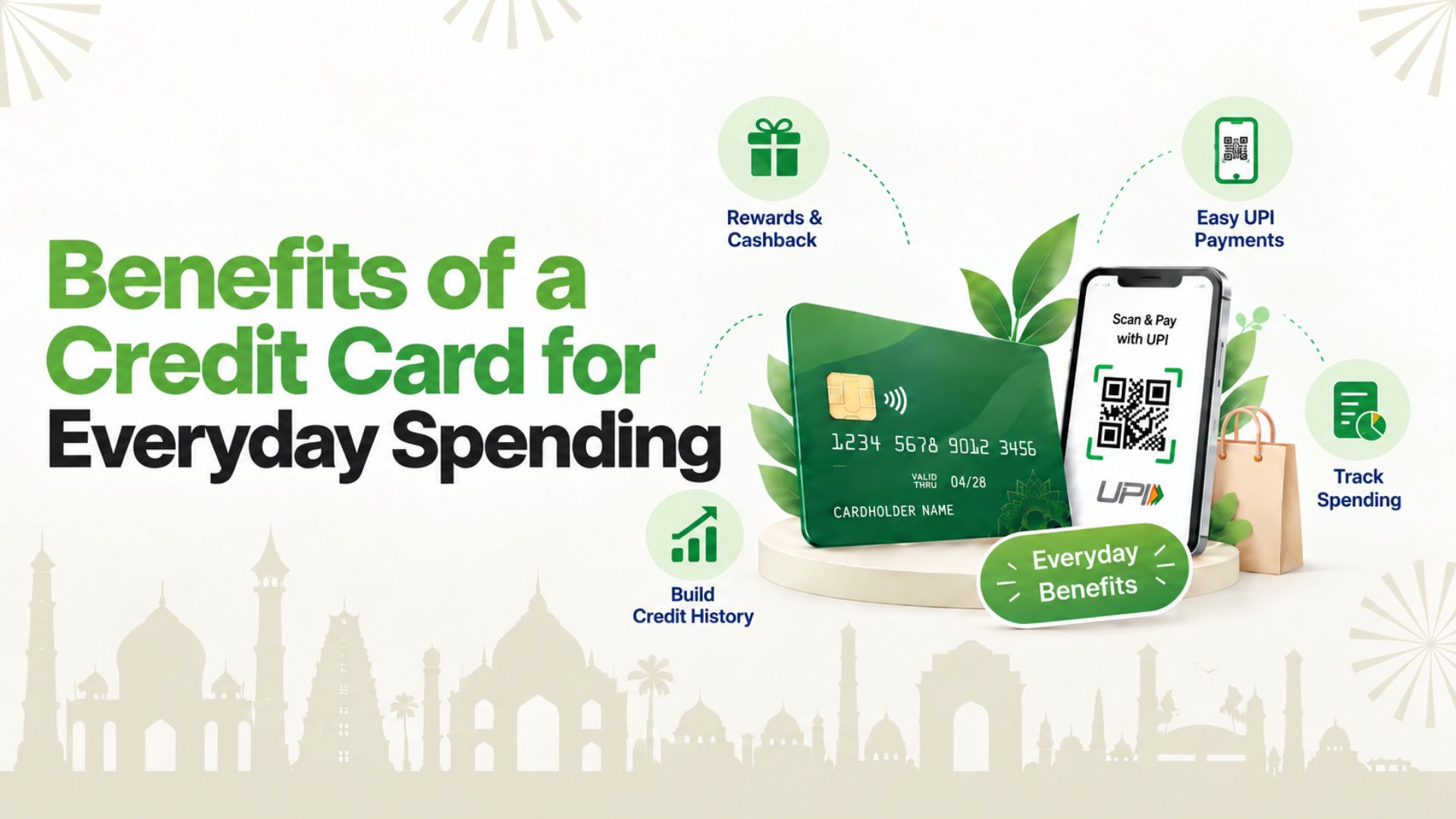
A UPI credit card allows you to make UPI payments using a credit card instead of a bank savings account. You scan a QR code, approve the payment in your UPI app, and the amount gets charged to your credit card.
Currently, this system works primarily with RuPay credit cards, enabled by National Payments Corporation of India (NPCI) through the Unified Payments Interface (UPI) framework.
UPI Credit Card Glossary: Key Terms Explained
UPI Credit Line
A UPI credit line is a pre-approved credit facility provided by a bank that can be accessed via UPI. Unlike traditional credit cards, this may not require a physical card.
Think of it as a digital credit wallet linked directly to UPI.
Scan & Pay via Credit Card
This feature allows users to scan any merchant UPI QR code and pay using their linked credit card. Instead of money leaving your bank account instantly, it becomes a credit card transaction.
This is one of the biggest shifts in how Indians use credit in daily life.
Merchant Eligibility
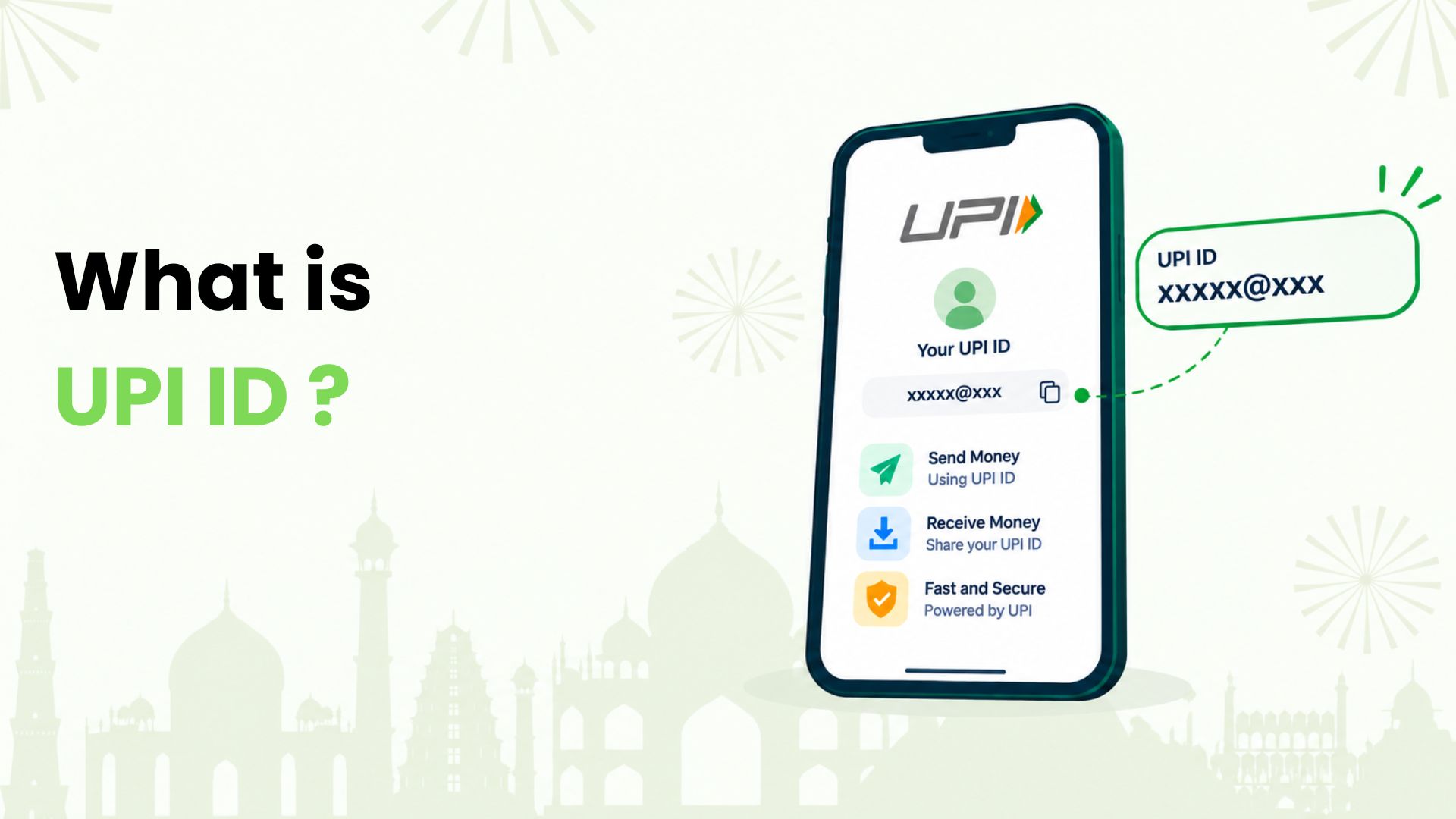
Not all QR codes accept UPI credit card payments. Most UPI credit card transactions work only on merchant QR codes, not personal UPI IDs.
This limitation exists to reduce misuse and control risk.
Interest-Free Period
UPI credit card payments usually follow the same interest-free period as regular credit card transactions. If you pay the full bill on time, you may get up to 45–50 days without interest.
This makes UPI credit significantly better than short-term personal loans.
Convenience Fee
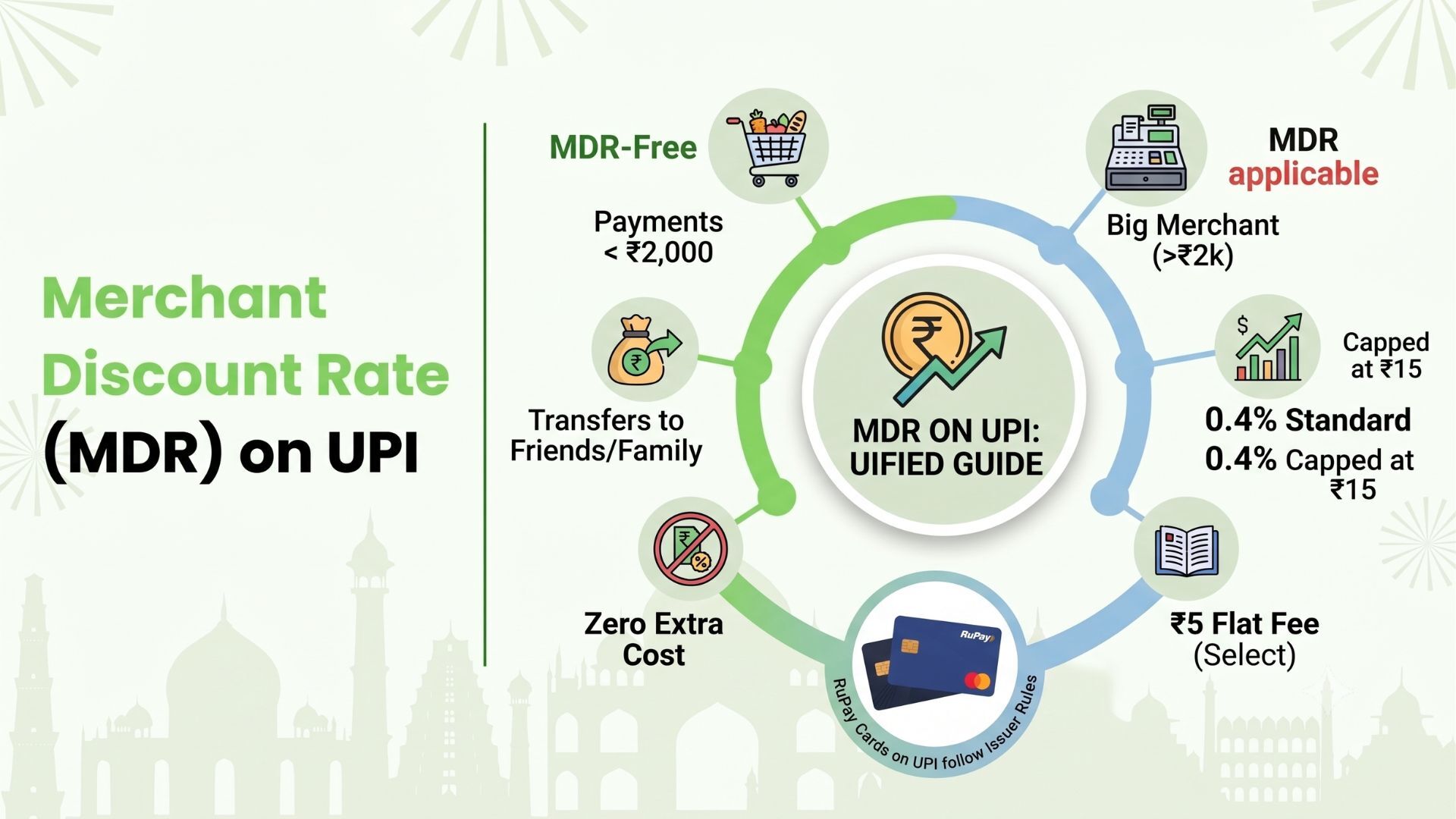
Some merchants or platforms charge a small convenience fee for accepting credit card payments via UPI. This fee varies by merchant category and transaction size.
Always check the confirmation screen before approving payment.
Merchant Category Code (MCC)
MCC is a four-digit code that classifies the type of merchant, such as groceries, fuel, dining, or utilities.
Rewards, cashbacks, and even interest-free eligibility often depend on the MCC.
Reward Eligibility on UPI Payments
Not all UPI credit card payments earn rewards. Some banks exclude low-margin categories like P2P transfers, government payments, or education fees.
Before choosing a card, always check whether UPI spends earn reward points or cashback.
Credit Utilisation (UPI Context)
UPI credit card spends count toward your total credit utilisation ratio. High usage through UPI can silently increase utilisation and affect your credit score if not managed carefully.
Keeping utilisation under 30% remains a best practice.
Minimum Amount Due (MAD)
Just like traditional cards, UPI credit card bills come with a minimum amount due. Paying only this keeps the account active but triggers interest on the remaining balance.
UPI convenience should not turn into long-term debt.
Statement Consolidation
All UPI credit card transactions appear in the same monthly credit card statement along with swipe and online spends.
This helps with tracking but can surprise users who forget how often they pay via QR codes.
Tokenisation (UPI Credit Card)
Card tokenisation replaces your actual card details with a secure digital token inside the UPI app. This ensures that your card number is never shared with merchants.
It’s one of the key reasons UPI credit cards are considered secure.
Daily Transaction Limit
Banks set a daily cap on UPI credit card usage. This limit may be lower than your total credit limit and can vary by bank and card variant.
Failed UPI Credit Transaction
If a UPI credit transaction fails, the amount is usually reversed within 2–5 working days. Unlike debit UPI, reversals may take slightly longer due to card settlement cycles.
EMI on UPI Credit Card
Some banks allow high-value UPI credit transactions to be converted into EMIs. This is useful for planned expenses but may involve processing fees or interest.
Government & Utility Payments
Many government portals and utility providers currently do not support UPI credit cards, even if they accept UPI. This is an important limitation users often discover late.
Chargeback
A chargeback allows you to dispute a UPI credit card transaction in case of fraud, non-delivery, or duplicate charges. This protection is stronger than standard UPI debit payments.
Why the UPI Credit Card Glossary Matters in 2026
UPI credit cards blur the line between daily payments and credit usage. Without understanding these terms, it’s easy to overspend, miss due dates, or lose rewards.
Knowing the glossary helps you:
- Use credit on UPI without hurting your credit score
- Choose the right UPI-enabled credit card
- Avoid unnecessary fees and interest
- Maximise rewards on everyday QR payments
Final Thoughts
UPI credit cards are changing how India uses credit—making it invisible, instant, and dangerously easy if you’re careless.
Once you understand the terminology, you stop treating UPI credit as “free money” and start using it as a smart financial tool.