
Gen Z did not grow up watching their parents swipe cards at billing counters. They grew up scanning QR codes. Paying with UPI feels natural to them, while traditional credit cards often feel outdated and complicated.
This generation is not rejecting credit. They are rejecting the old way credit works.
Gen Z Values Simplicity Over Status
Traditional credit cards were built around status. Premium designs, reward points, airport lounges, and long brochures explaining benefits. For Gen Z, none of this is exciting. They want payments to be fast, simple, and invisible. If a product needs explaining, it already feels like friction. UPI fits perfectly into this mindset. Credit cards, in their traditional form, do not.
Small-Ticket Spending Defines Gen Z Life
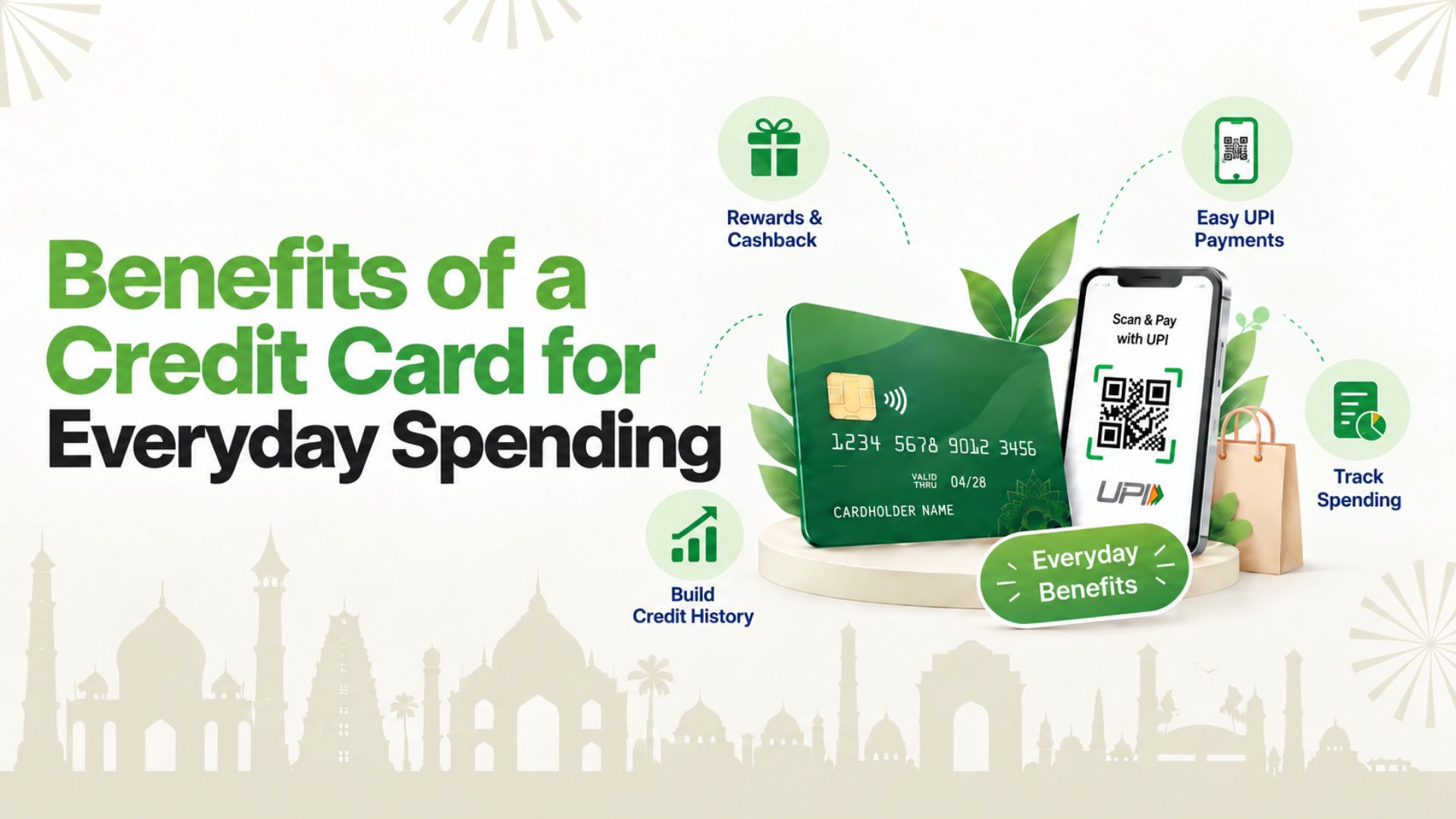
Gen Z spends differently. Their money goes into subscriptions, food delivery, cafés, shared mobility, and daily convenience. These are mostly small-ticket payments. Using a traditional credit card for a ₹120 coffee or a ₹90 metro recharge feels unnecessary. Swipe machines, minimum amount concerns, and acceptance issues make it worse. UPI removed that friction. Once credit became available on UPI, behaviour shifted naturally. Credit started to feel usable for everyday life.
Fear of Losing Control
One of the biggest reasons Gen Z avoids traditional credit cards is fear. Fear of overspending, surprise bills and hidden charges. Monthly credit card statements often feel disconnected from daily spending. When everything adds up at the end of the month, it becomes stressful. UPI-based payments show transactions instantly. This visibility makes Gen Z more comfortable. They want to see money move in real time, even when using credit.
Rewards Need to Feel Real
Traditional credit cards often promise rewards, but they come with conditions. Category limits. Expiry dates. Complicated redemption rules. Gen Z prefers instant value. Cashback that shows up immediately makes more sense than points that might be useful someday. If rewards are not simple, they are ignored. This is another reason traditional cards fail to connect.
Digital-Native Expectations
Gen Z expects everything to work on their phone. No calls, paperwork or learning curve. Traditional credit cards still feel like a banking product from an older era. Apps are improving, but the core experience has not changed enough. UPI-based credit feels modern because it is built on something Gen Z already uses multiple times a day.
Where Kiwi Fits In
Kiwi works the way Gen Z already pays. Scan a QR code. Complete the payment. Move on. The experience feels exactly like UPI, but the money comes from a credit line. There is no need to think in terms of swipes, statements, or complicated rewards. Spending stays visible. Cashback is simple. Credit builds quietly in the background. Instead of forcing Gen Z to adapt to credit cards, Kiwi adapts credit to Gen Z.
Credit Isn’t the Problem. Format Is.
Gen Z is not anti-credit. They are anti-friction. They want control, clarity, and convenience in everything they use. Traditional credit cards struggle because they were not designed for daily digital life. UPI-first credit products fit better because they match how this generation already behaves.
The Bigger Shift
This change is not temporary. As Gen Z becomes the largest earning group, their preferences will shape the future of payments. Credit cards that behave like UPI will get used. Those that don’t will slowly fade into the background. For Gen Z, credit should feel effortless, transparent, and everyday. That is exactly the gap Kiwi is built to fill.