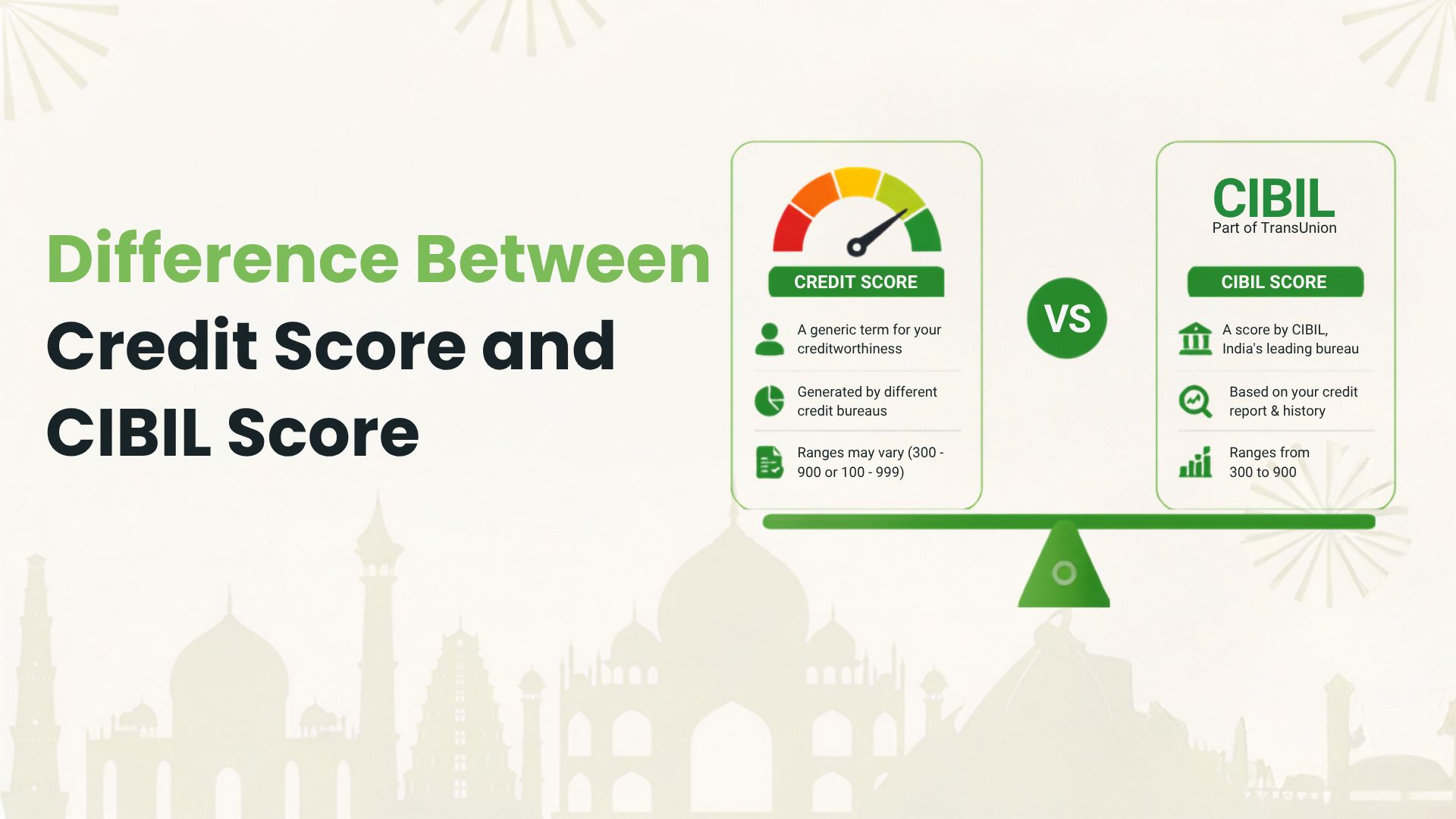
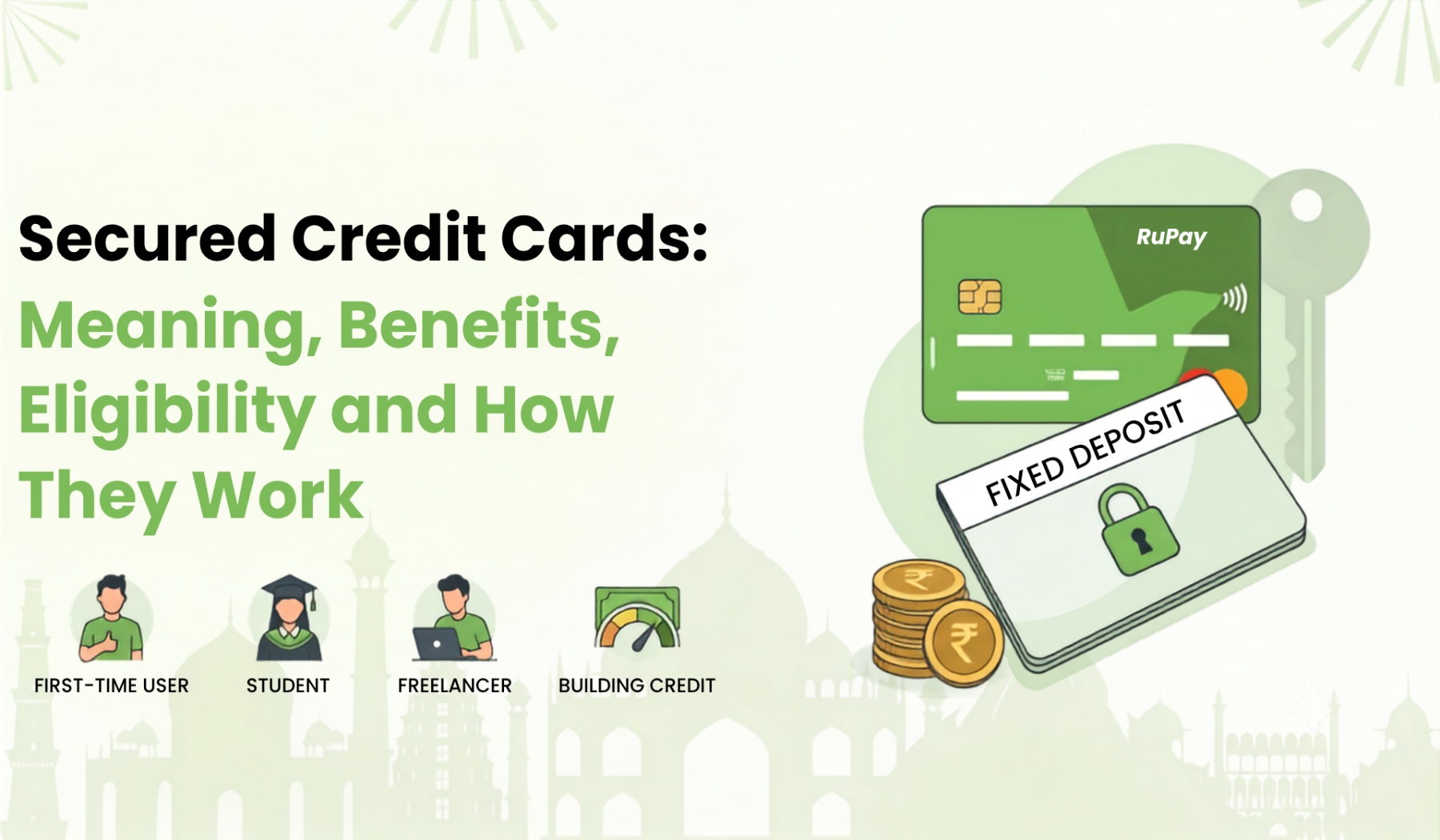
Secured Credit Cards can be useful for first-time credit card users, students, freelancers, homemakers and people rebuilding their credit profile. They work like regular credit cards, but are backed by a fixed deposit or another cash deposit that acts as security for the card issuer.
If you have been rejected for a regular credit card because of low income proof, limited credit history or a low credit score, a secured credit card can be a practical starting point. The key is to use it carefully and treat it as a credit-building tool, not extra income.
What is a Secured Credit Card?
A secured credit card is a credit card issued against collateral. In India, this collateral is usually a fixed deposit with the card issuer. The fixed deposit gives the bank security in case the cardholder does not clear the outstanding dues.
The card itself works like a normal credit card. You can use it for eligible online and offline payments, receive a monthly bill and repay the amount by the due date. The main difference is that the card limit is linked to the deposit instead of being based only on income, credit score and repayment history.
For example, if you open a fixed deposit of ₹50,000, the issuer may assign a credit limit based on a percentage of that amount. The exact limit, minimum deposit, fees and eligibility rules depend on the issuer.
How Do Secured Credit Cards Work?
The process is usually simple:
- You open or maintain a fixed deposit with the issuer.
- The issuer marks the fixed deposit as collateral or lien-linked security.
- The issuer completes KYC and application checks.
- A credit card is issued with a limit linked to the deposit.
- You use the card for eligible spends and repay the monthly bill.
- Your repayment behaviour may be reported to credit bureaus, helping build your credit history when you pay on time.
Your fixed deposit generally continues to earn interest as per the issuer’s terms, but you may not be able to close or withdraw it while the linked credit card is active.
Secured Credit Card vs Unsecured Credit Card
The biggest difference is collateral. A secured credit card is backed by a fixed deposit. An unsecured credit card does not need a deposit and is usually approved based on income, credit score, repayment history and issuer policy.
Here is a quick comparison:
| Factor | Secured credit card | Unsecured credit card |
|---|---|---|
| Collateral | Usually needs a fixed deposit | No collateral required |
| Approval basis | Deposit, KYC and issuer checks | Income, credit score, repayment history and issuer checks |
| Credit limit | Often linked to deposit value | Based on issuer assessment |
| Best suited for | New-to-credit or low-credit-score users | Users with stronger income and credit history |
| Credit-building value | Can help when used responsibly | Can also help when used responsibly |
Both cards can support your credit profile if you pay on time, keep utilisation controlled and avoid defaults.
Who Should Consider a Secured Credit Card?
A secured credit card may suit you if you:
- Are applying for your first credit card.
- Have no credit history or a thin credit file.
- Have a low credit score and want to rebuild gradually.
- Are self-employed, a freelancer or a gig worker with irregular income proof.
- Have been rejected for a regular credit card.
- Want a controlled credit limit linked to your own deposit.
It may not be ideal if you need immediate access to your fixed deposit, want a high credit limit without blocking funds, or are not confident about paying bills on time.
Benefits of Secured Credit Cards
Easier Access to Credit
Since the issuer has collateral, secured credit cards can be easier to access than regular cards for people with limited credit history. Approval is not automatic. KYC, issuer rules and product eligibility still apply.
Helps Build Credit History
When you use the card and pay the full bill on time, it can create a positive repayment record. Over time, this may help improve your credit profile.
Works Like a Regular Credit Card
You can use a secured credit card for eligible purchases, bill payments and everyday spending, depending on the card’s features. Some secured cards also offer rewards, cashback or fuel surcharge waivers.
Controlled Spending Limit
Because the limit is linked to your deposit, it can help you avoid taking a credit limit that is much larger than your comfort level. This is useful when you are learning how billing cycles, due dates and interest charges work.
Things to Check Before Applying
Before choosing a secured credit card, compare these points:
- Minimum fixed deposit amount.
- Credit limit offered against the deposit.
- Joining fee and annual fee.
- Interest charges, late payment fee and cash withdrawal charges.
- Reward Points, cashback or other benefits.
- Whether the card supports your preferred spend categories.
- Rules for closing the card and releasing the fixed deposit.
- Credit bureau reporting policy.
- Most Important Terms and Conditions.
Do not apply only because a card is easy to get. Choose one that fits your deposit comfort, spending habits and repayment discipline.
How to Build Credit With a Secured Credit Card
Use the card for small, planned expenses such as groceries, food delivery, subscriptions, utility bills or everyday merchant spends. Keep spending below the credit limit, and pay the full bill before the due date.
Avoid withdrawing cash unless you understand the charges. Also avoid paying only the minimum amount due. It may keep the account active, but interest charges can build quickly.
Review your statement every month. This helps you track spending, spot errors and understand how much credit you are actually using.
From Credit-Building to UPI on Credit With Kiwi
A secured credit card can help you start your credit journey. Once you become eligible for a RuPay credit card, your next upgrade can be how you use credit for daily payments.
With Kiwi, eligible users can apply for a RuPay credit card, get quick access to a digital card upon approval, scan and pay merchants via UPI, track spends in the app and earn cashback on eligible transactions. The card issued depends on credit score and partner-bank requirements.
If you are building your credit profile today, think of Kiwi as the next step in making everyday UPI payments more rewarding once you are ready for UPI on credit.
FAQs
1. What is a secured credit card?
A secured credit card is a credit card backed by collateral, usually a fixed deposit. The deposit gives the issuer security, and the card limit is usually linked to the deposit amount.
2. Does a secured credit card improve my CIBIL score?
It can help build or improve your credit profile when used responsibly. Pay on time, avoid high utilisation and clear dues fully whenever possible.
3. Can I get a secured credit card without income proof?
Many issuers offer fixed-deposit-backed credit cards with simpler income requirements, but exact eligibility depends on the issuer’s policy, KYC checks and product terms.
4. What happens to my fixed deposit?
The fixed deposit is usually marked as security for the card. It may continue earning interest, but you may not be able to close it until the card is closed and all dues are cleared.
5. Is a secured credit card the same as a debit card?
No. A debit card uses money from your bank account. A secured credit card gives you a credit limit backed by your deposit, sends you a bill and requires repayment by the due date.
Disclaimer: The information provided in this article is for general informational and educational purposes only and should not be considered financial, credit, or investment advice. Secured credit card features, collateral requirements, fixed deposit lien terms, credit limits, interest rates, fees, eligibility criteria, and repayment conditions vary by lender and product. Card approval, bureau reporting, and UPI on credit features are subject to applicable issuer, partner-bank, NPCI, and regulatory guidelines. Responsible credit use may support a healthy credit profile, but no specific repayment or spending habit guarantees an improvement in your credit score or approval for unsecured products. Kiwi-related offerings are subject to partner-bank requirements, user eligibility, and product-specific rewards terms. Users should review the latest Most Important Terms and Conditions (MITC) and deposit agreements before applying for any credit product.