October 15, 2026
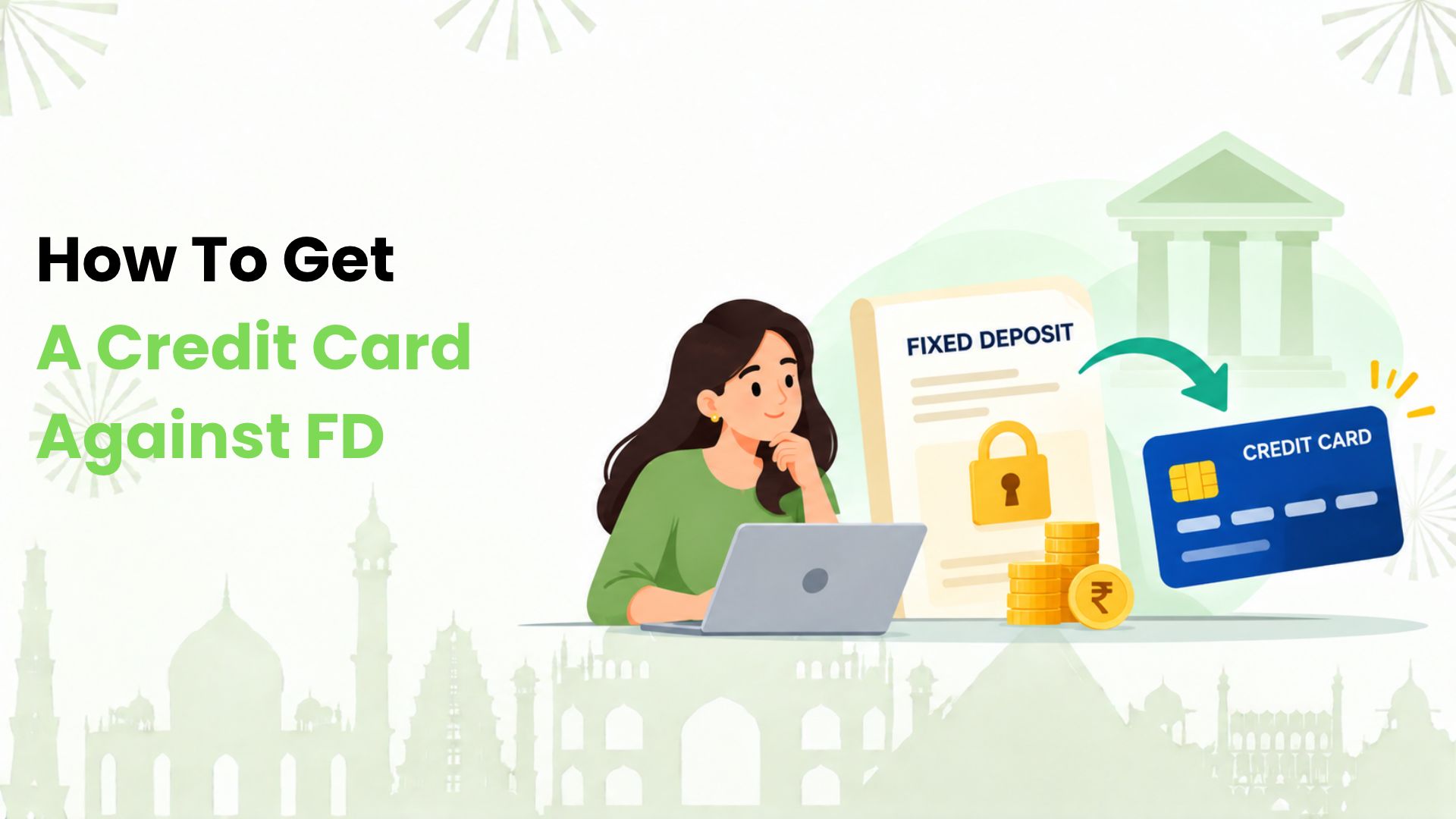
To get a credit card against FD, start by opening or selecting an eligible fixed deposit with the issuing bank. Then complete the application and KYC process and authorise the bank to mark a lien on the deposit. The FD acts as collateral, which makes this a secured credit card. For first-time credit card users […]
October 12, 2026
Can you buy gold using a credit card in India? Yes, in many cases I can. Many large jewellery stores and online platforms accept credit cards for gold jewellery, coins, bars, or digital gold. But I would not treat it like a regular grocery or food delivery payment. Gold is a high-value purchase, and a […]
October 7, 2026
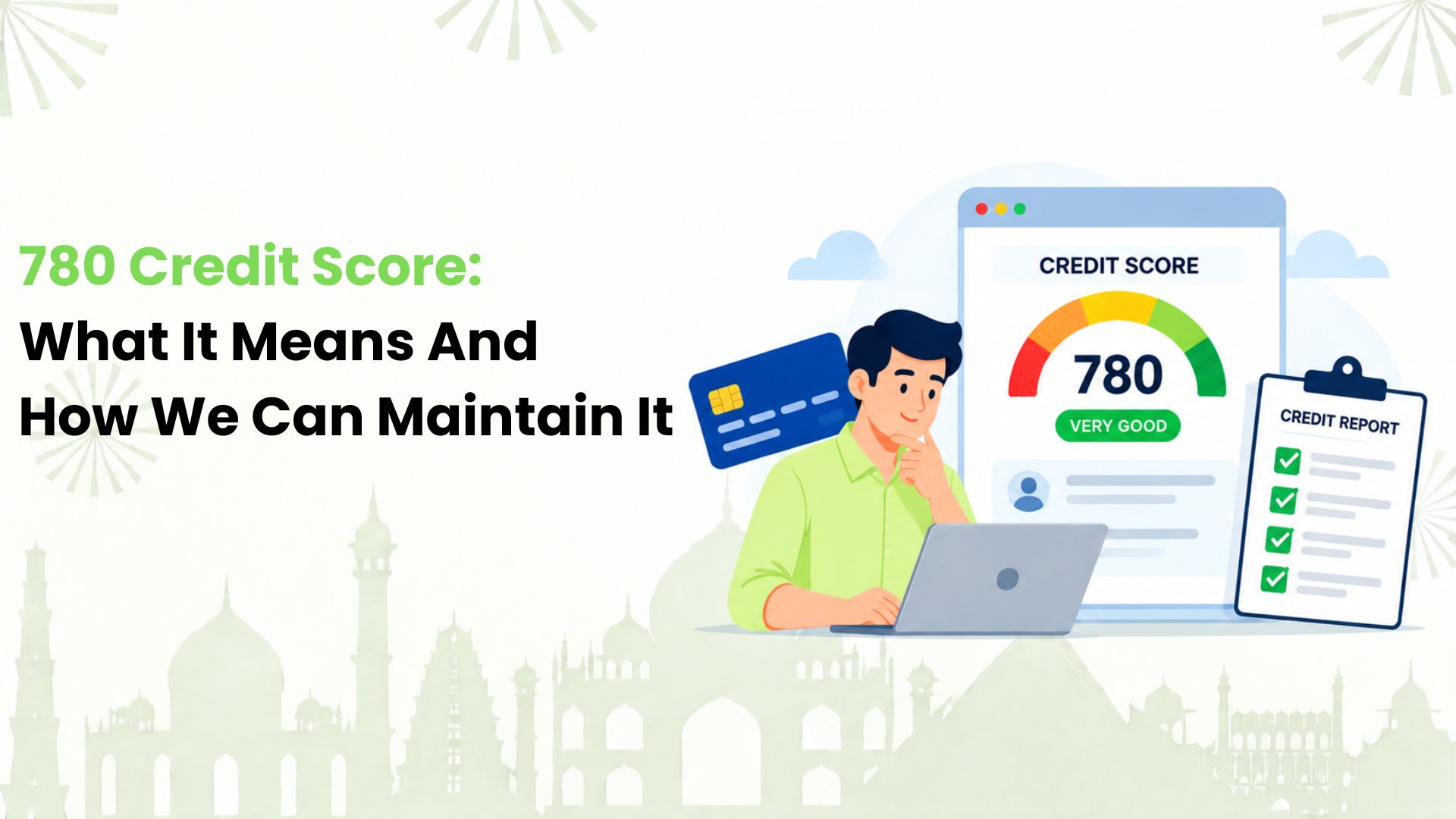
780 Credit Score is a strong position for Indian credit users. If we have reached this number, it usually means our credit report shows responsible borrowing habits, such as timely repayments, manageable balances and limited recent credit stress. In India, credit scores usually range from 300 to 900. A higher score generally suggests lower credit […]
October 6, 2026
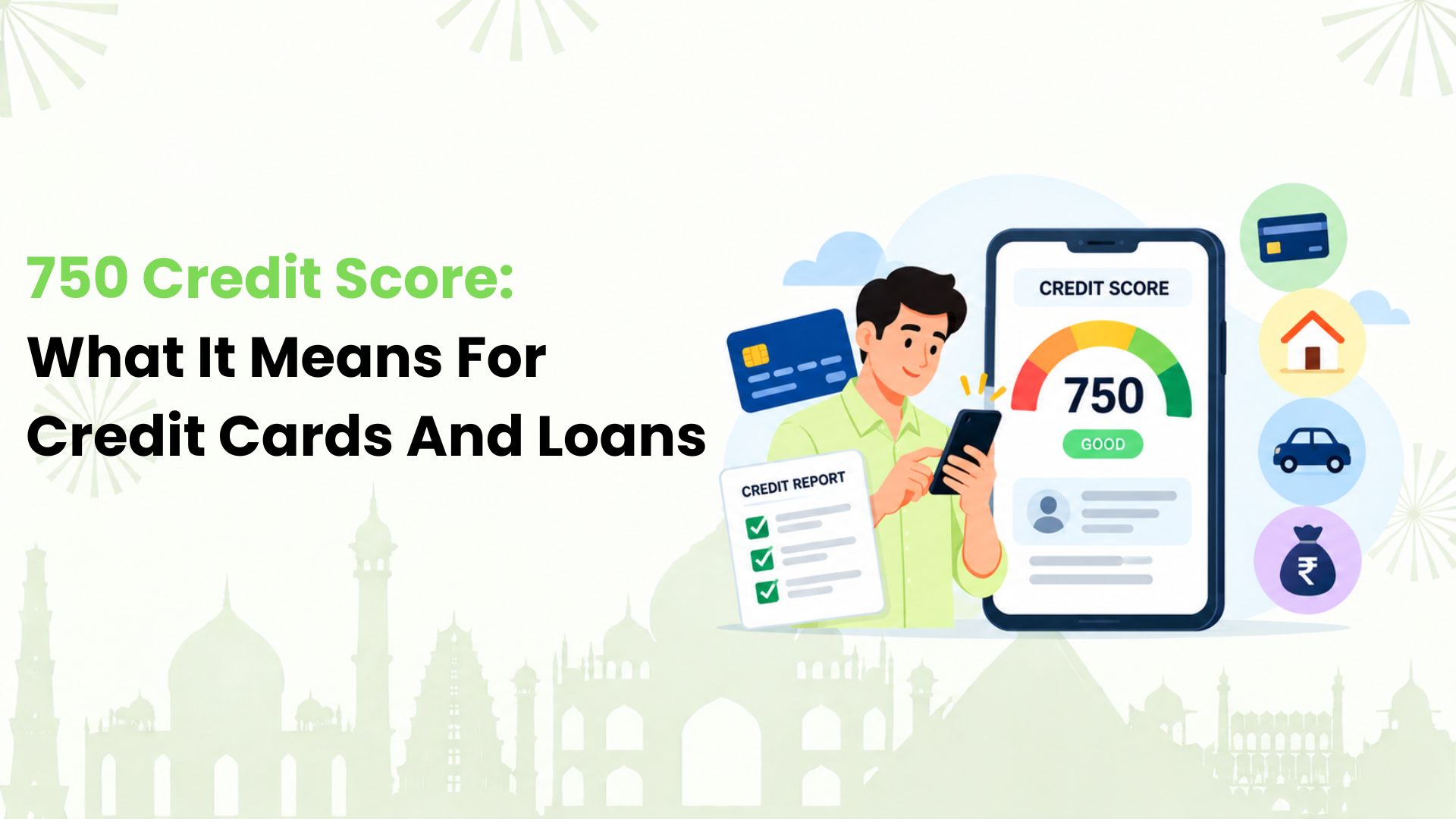
A 750 credit score usually means I have managed credit responsibly. For Indian borrowers, it is generally seen as a strong score because many lenders look at the 750+ range more favourably while reviewing credit card, personal loan, home loan, or other credit applications. But I should not treat 750 as a magic number. It […]
October 5, 2026
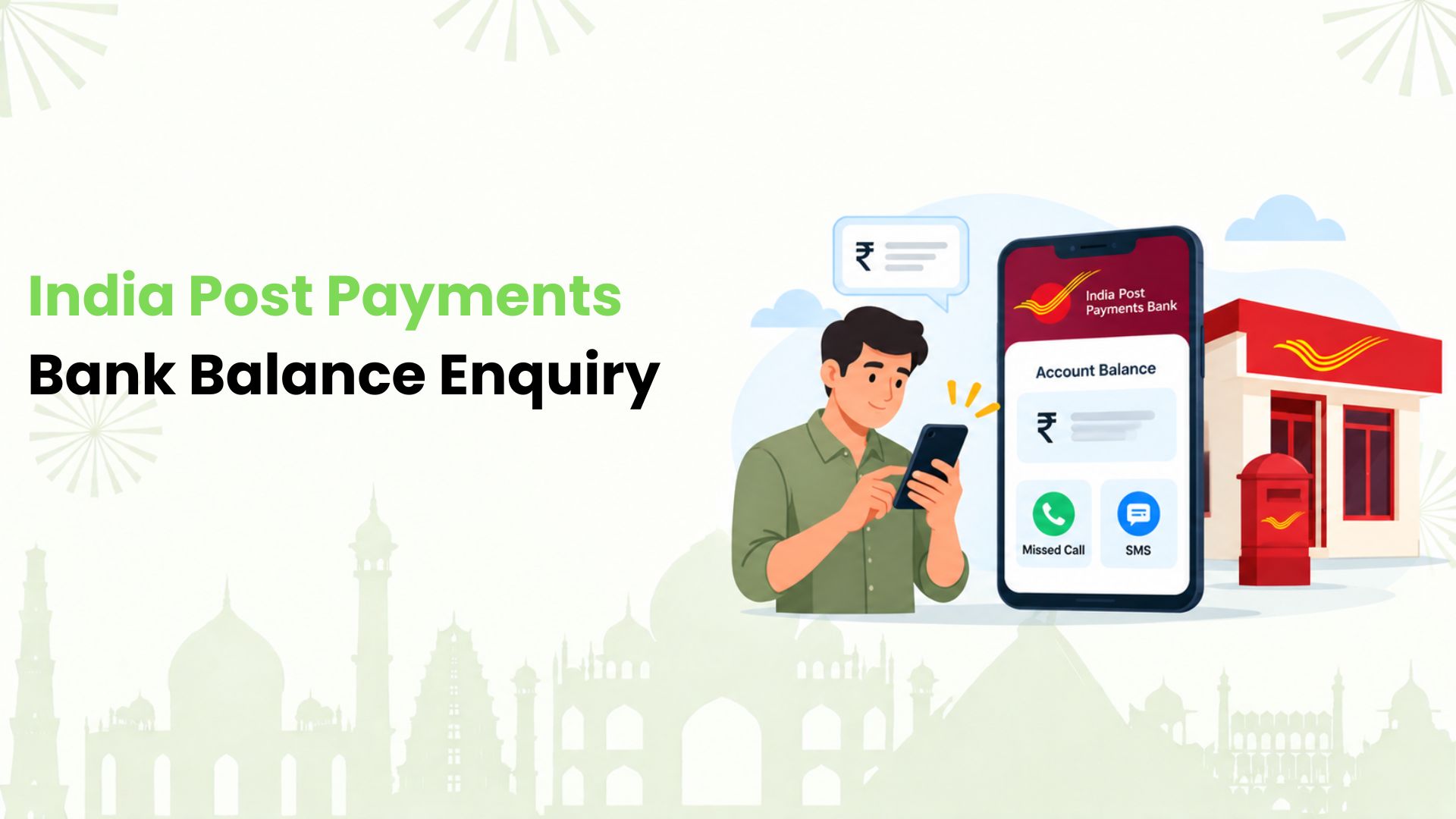
India Post Payments Bank balance enquiry starts with a missed call to 9910223398 or 7799022509 from your registered mobile number. For IPPB account holders using this service for the first time, registration comes first. We’ll walk you through that step, then cover SMS, the mobile app and assisted options. Whether you’re checking a recent deposit […]
October 1, 2026
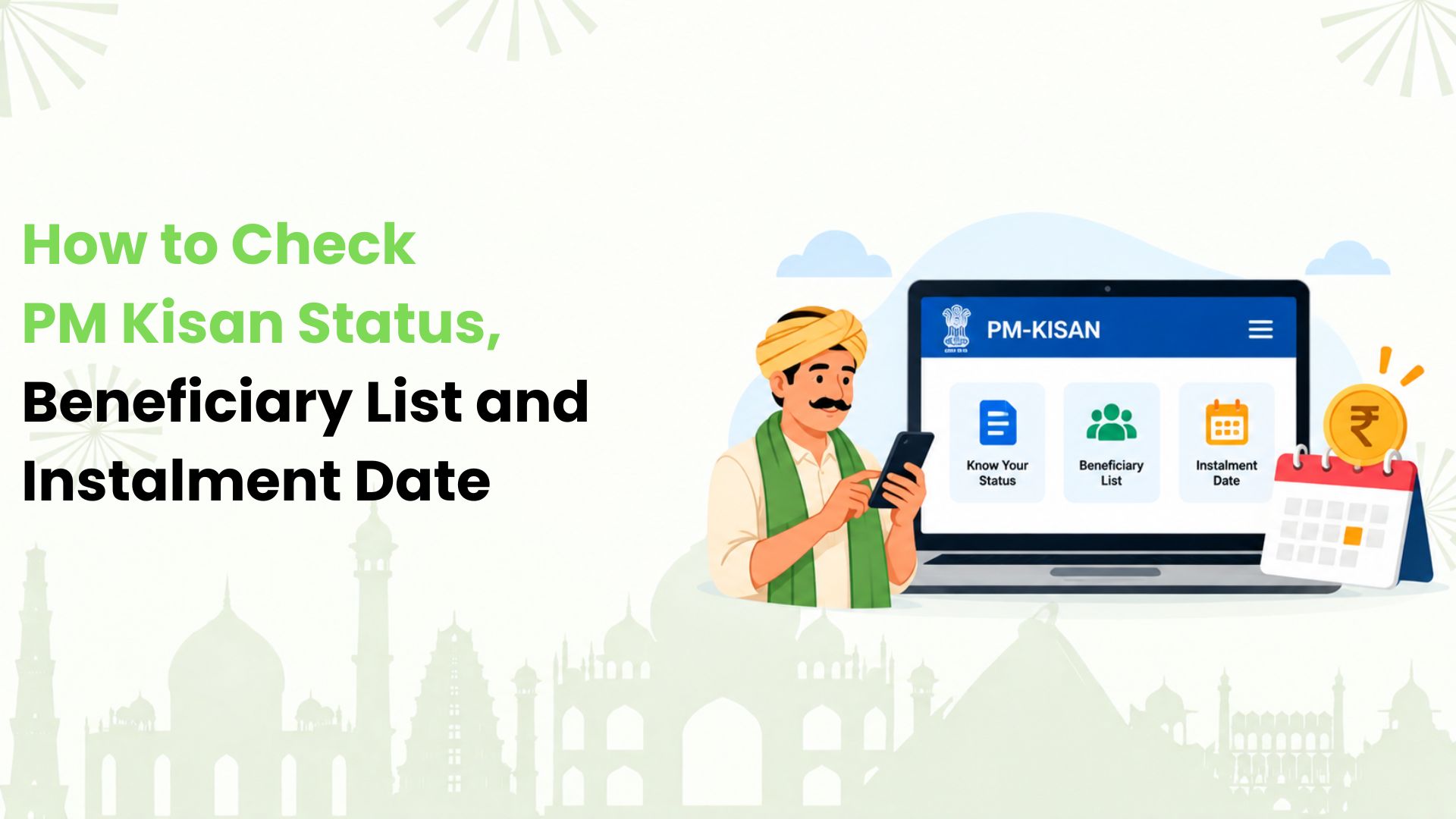
PM Kisan status can help Indian farmers and their families understand where a payment stands. In this guide, we explain how to check an individual record, find a name in the village beneficiary list and confirm instalment updates. We start with one useful distinction: a name on the beneficiary list does not, by itself, confirm […]
September 30, 2026
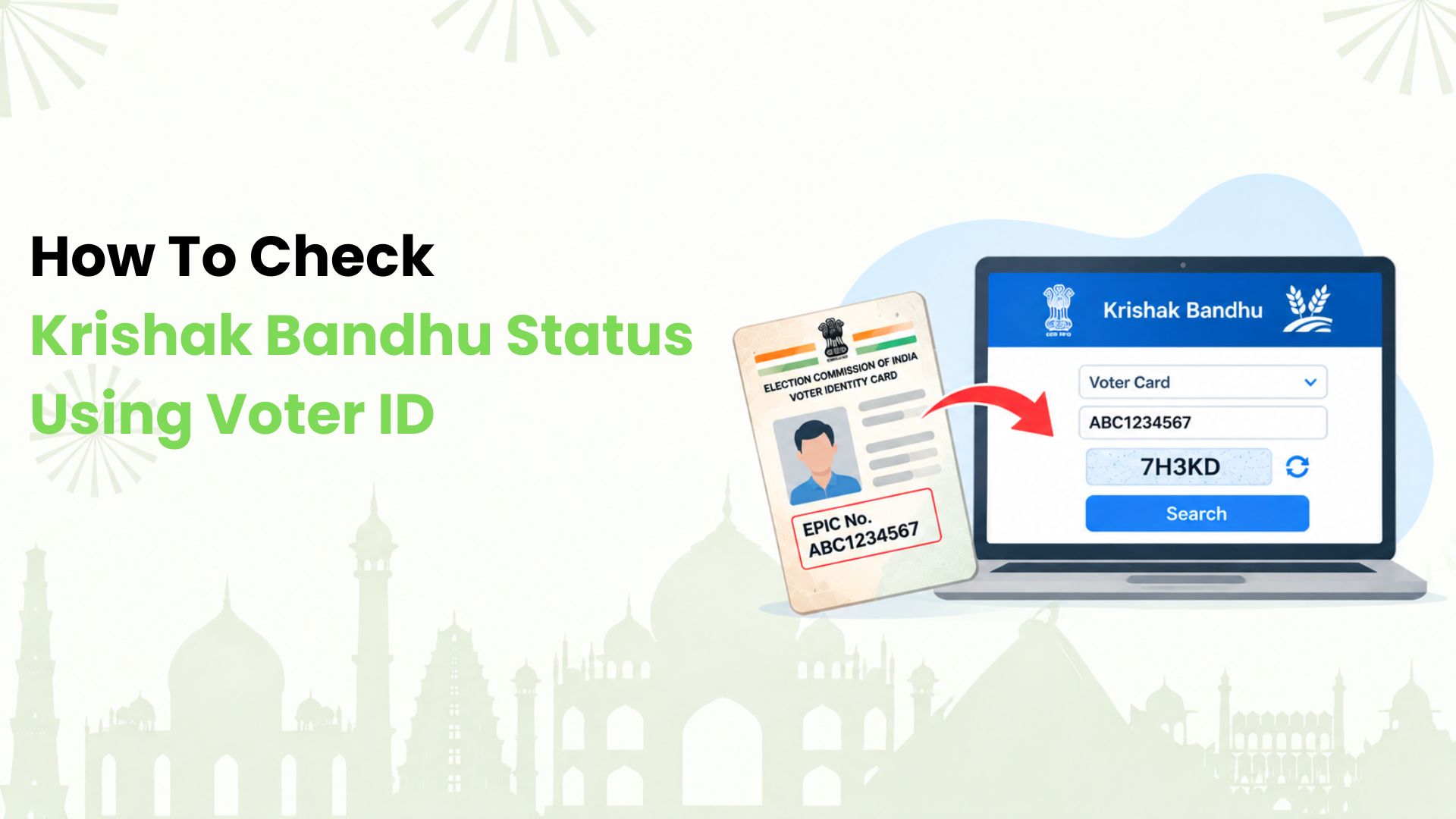
We explain how to check Krishak Bandhu status using Voter ID for farmers in West Bengal. The official portal lets us search registered farmer records using the EPIC number printed on a Voter ID card. Here’s our guide to the steps and what to do if a search fails. What We Need Before Starting Krishak […]
September 29, 2026
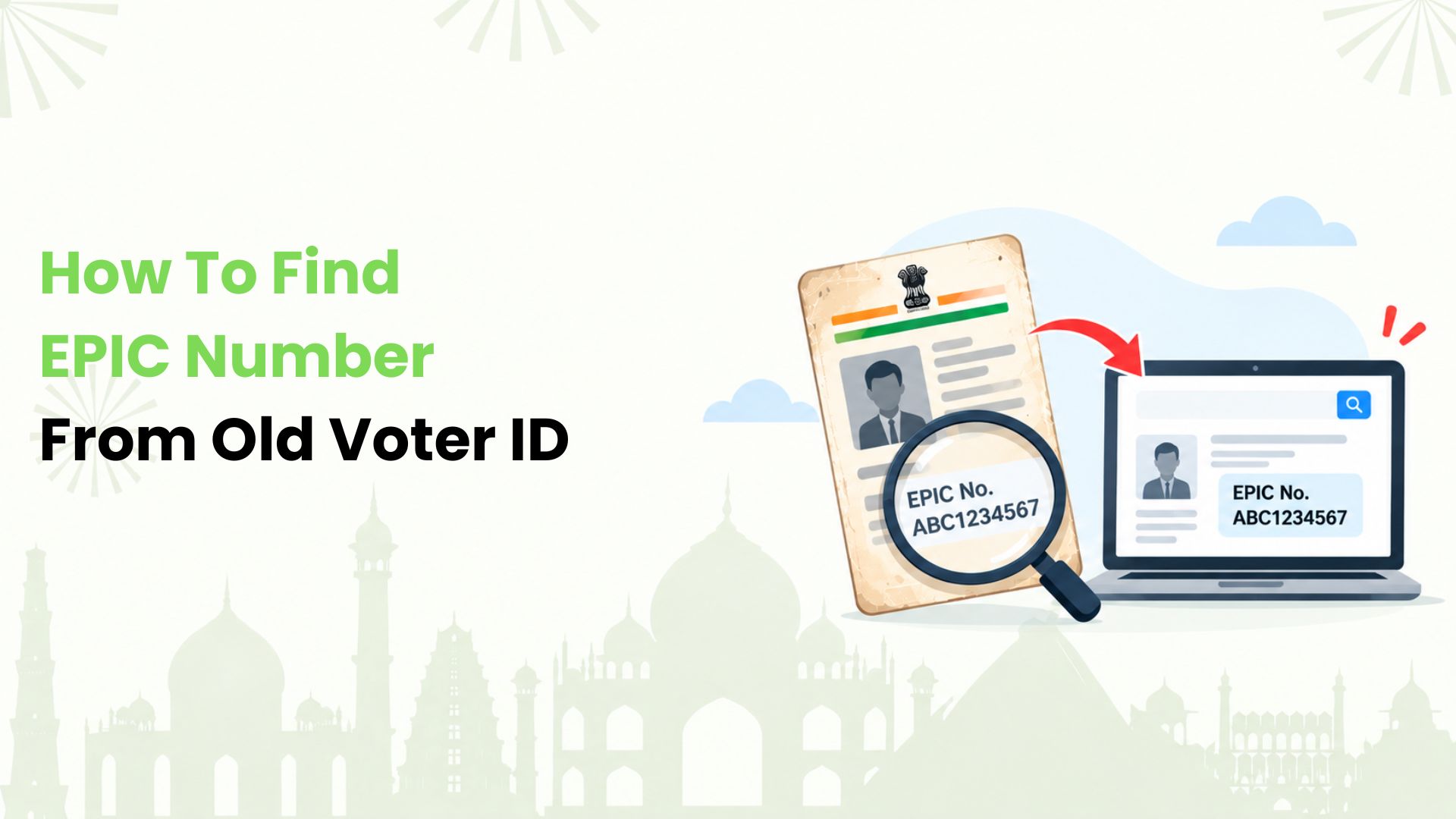
We’ll explain how to find EPIC number from old voter ID for Indian voters with faded or unfamiliar cards. We start by checking the card itself. If the number is unreadable or no longer works, we can look up the current voter record through the Election Commission of India’s electoral search service. An old card […]
September 28, 2026
Post office timings matter when we need to send documents, post a parcel or visit a savings counter. For readers across India, our starting point is simple: many offices open between 8:00 AM and 10:00 AM and close between 4:00 PM and 6:00 PM. These are indicative ranges, not a fixed national timetable. The useful […]