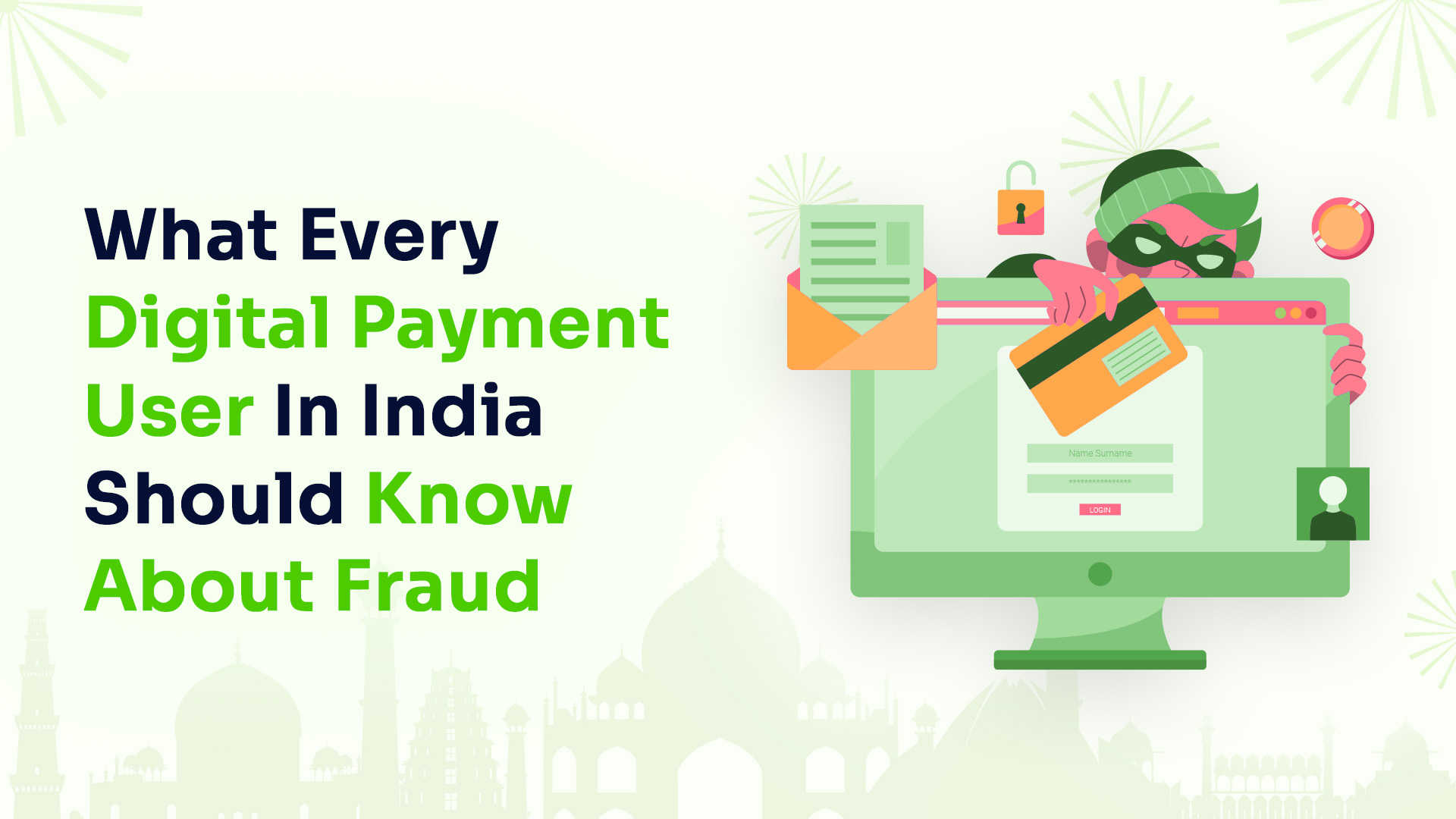
If you’re like most Indians today, digital payments are part of your daily life. Whether it’s sending money via UPI, paying bills on your phone, or swiping your credit card or debit card, the convenience is undeniable. But let’s be honest—there’s always that lingering worry: Is my money safe? How common is fraud in digital payments these days?
This blog is for you—the everyday user. It breaks down the latest fraud statistics in India’s digital payments space in simple terms, shares where this data comes from, and most importantly, how you can stay protected while still enjoying all the perks of going cashless.
How Big Is Digital Payment Fraud in India in 2026?
Digital payments have grown massively.
So has fraud — but context matters.
Based on the latest banking disclosures, government responses, and industry trend analysis up to early 2026:
- Total digital payment fraud losses remain high, driven largely by phishing, fake customer-care calls, screen-sharing scams, and social engineering — not system failures.
- UPI-related fraud cases continue to rise in volume, but average loss per user has reduced due to faster reporting and improved recovery mechanisms.
- High-value fraud (₹1 lakh+) is still a concern, especially through investment scams and impersonation fraud, though banks now flag such transactions faster.
- Contactless card fraud remains extremely low in India, thanks to transaction caps, tokenisation, and strong RBI rules. Fraud rates here are far lower than in many global markets.
The key takeaway for 2026:
Fraud is growing because usage is growing — not because digital payments are unsafe.
Who Keeps Track of All This Fraud?
You might wonder, how do we know these numbers at all? Who’s keeping an eye on fraud in such a vast market?
- Reserve Bank of India (RBI): The big boss of financial regulations in India, RBI publishes yearly detailed reports on bank fraud, including digital payment scams. They also implement security rules to curb fraud.
- CERT-In: The Indian government’s computer emergency team monitors cyber threats and releases reports on how scammers are evolving their tricks.
- Consulting Firms: PwC, EY, and others analyze payment trends and risks, producing insightful reports that banks and fintech companies use.
- Leading News Outlets: Media like Bloomberg and Economic Times regularly update the public on fraud trends and new government crackdowns.
What Does This Mean for You?
Seeing high fraud numbers can be scary, but remember—most digital payments are safe. The reason fraud seems to be rising is because more people are using digital payments every day. Scammers always target people with the biggest opportunity.
Also, RBI and banks are actively fighting back. For example:
- Transactions above ₹5,000 require strict two-factor authentication (like OTPs or fingerprint scans).
- State-of-the-art encryption and AI are used by banks to detect and block fraudulent activity.
- If you report fraud fast, many banks offer zero-liability, meaning you won’t lose your money.
How You Can Stay Safe in 2026
Simple habits go a long way.
- Never share OTP, UPI PIN, CVV, or screen access
- Do not trust callers claiming to be “bank support” or “KYC teams”
- Download apps only from official app stores
- Set daily transaction limits for UPI and cards
- Enable instant SMS or app alerts
- Check statements weekly, not monthly
- Report suspicious activity immediately — delays reduce recovery chances
Remember:
Banks never ask for sensitive details.
Fraudsters always create urgency.
Final Thoughts
Digital payments are transforming India’s economy and making life effortless for millions. Yes, fraud cases have risen—and will continue to evolve—but thanks to regulators, banks, and tech advances, your money is safer than ever.
Being careful, following simple safety steps, and staying updated from trusted sources can help you enjoy all the benefits of digital payments worry-free. Because convenience and security should go hand in hand.