If you look at how Indians pay today, one thing is clear. UPI has become the default payment method for daily life. From buying vegetables to paying the neighbourhood chemist, scanning a QR code feels more natural than pulling out a card.
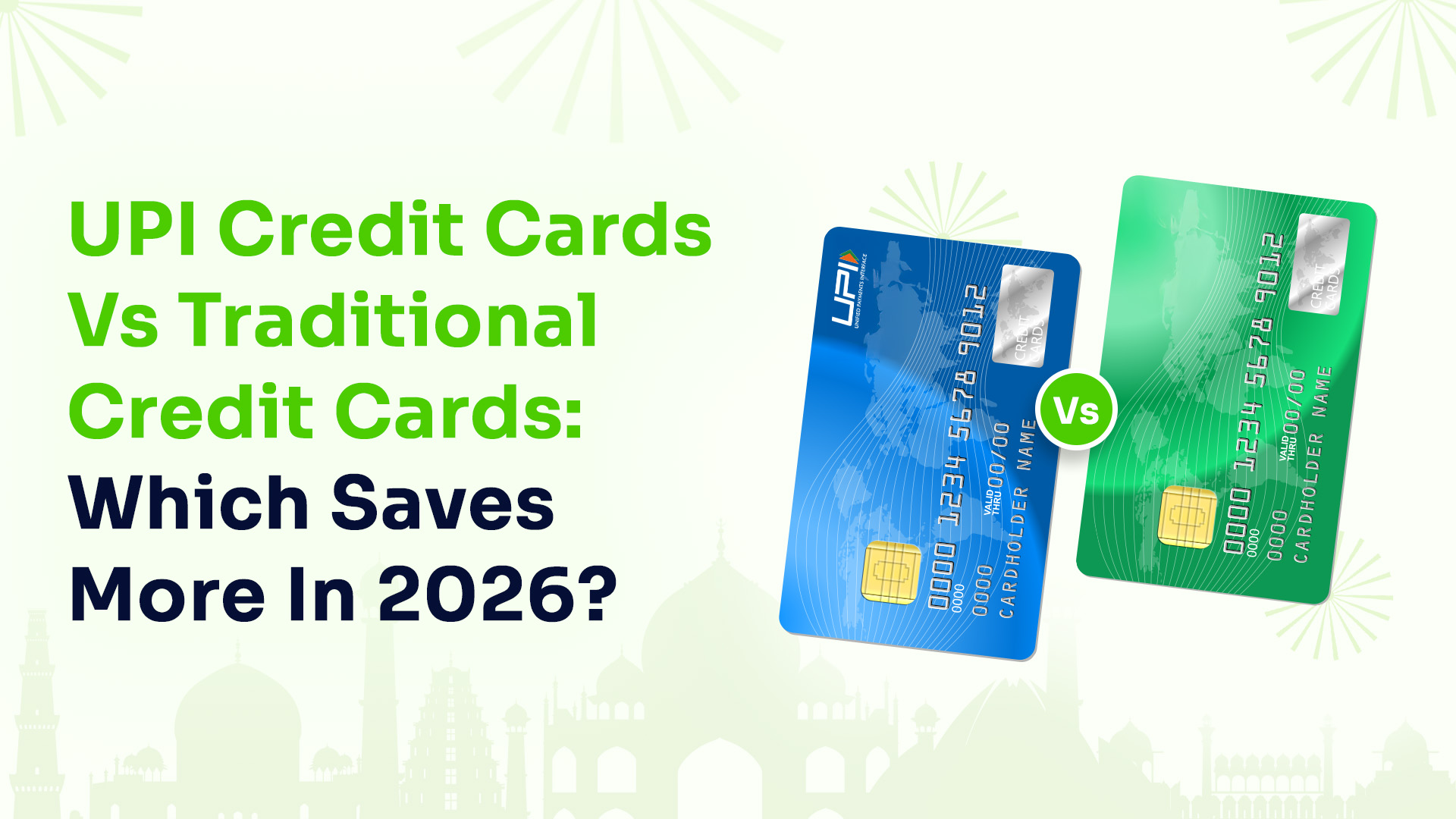
At the same time, credit cards still play an important role, especially for big purchases and online shopping. This brings up an important question for 2026. Which option actually saves more money in real life – UPI credit cards or traditional credit cards?
Let’s look at this from the way people actually spend.
How Traditional Credit Cards Are Used Today
Traditional credit cards were designed for a different spending pattern. They work best when you are making planned and higher-value purchases. Think of flight tickets, hotel bookings, electronics, or dining at branded outlets.
They are widely accepted in malls, large stores, and online platforms. However, many users hesitate to use them for small amounts. Swiping or tapping a card for a ₹70 tea or a ₹150 grocery run often feels unnecessary, especially when UPI is quicker.
The rewards also reflect this behaviour. Traditional cards usually offer higher benefits on travel, lifestyle, or specific categories, but they come with conditions, caps, and complicated reward points that need effort to redeem.
How UPI Credit Cards Fit Into Daily Life
UPI credit cards are built around existing UPI habits. You scan a QR code, approve the payment, and move on. The only difference is that the money comes from a credit line instead of your bank balance.
This makes them extremely practical for everyday spending. Small payments no longer feel like an exception. In fact, they become the main use case. Whether it is groceries, fuel, medicines, or a quick snack, the experience stays exactly the same as regular UPI.
Instead of saving rewards for rare purchases, you start earning benefits on things you pay for almost every day.
Daily Spending: Where the Real Savings Happen
For most people, daily expenses make up a large part of monthly spending. These include food, local travel, household items, and small services. Traditional credit cards rarely capture this spending fully because acceptance and habit both become barriers.
UPI credit cards remove both. Since UPI is already accepted almost everywhere, you do not need to think twice before using credit for a small transaction. Over time, these small amounts add up and so do the rewards or cashback.
This is where UPI credit cards usually save more. Not because the reward rate is higher, but because they are used more often.
Rewards: Simple vs Complicated
Traditional credit cards often reward you generously, but only if you play by the rules. You need to track categories, meet minimum spends, and understand how points convert into value. Many users end up with unused points or benefits they never redeem.
UPI credit cards usually follow a simpler model. Cashback is easier to understand and easier to use. When rewards are visible and instant, people value them more.
For someone who prefers clarity over complexity, this approach feels more rewarding in the long run.
Acceptance Across India in 2026
Acceptance is one of the biggest deciding factors. Traditional credit cards still face resistance among small merchants due to device availability and charges. This is especially true outside large cities.
UPI, on the other hand, has near-universal acceptance. When credit runs on UPI rails, it automatically inherits that reach. This makes UPI credit cards far more practical in Tier-2 and Tier-3 cities, where daily cashless payments have grown rapidly.
In simple terms, the card that works everywhere is the one that gets used more.
Spending Control and Behaviour
Another subtle difference lies in spending behaviour. Traditional credit cards often encourage bigger purchases, which can lead to higher bills at the end of the month. For some users, this can feel overwhelming.
UPI credit cards keep spending visible and granular. Since transactions are small and frequent, users tend to stay more aware of where their money is going. This makes budgeting easier and helps build healthier credit habits.
In 2026, control matters just as much as convenience.
Where Kiwi Comes In
Kiwi is designed around this exact shift in behaviour. It is built as a UPI-first credit card, not a traditional card adapted to UPI.
Kiwi focuses on everyday payments, wide acceptance, and simple cashback. The experience feels familiar to anyone who already uses UPI, while still helping users build credit through regular, disciplined usage.
Main Features are :
- Works everywhere; scan any QR code and pay using credit card on Kiwi app
- ₹0 joining fee; ₹0 annual fee
- 1.5% cashback on UPI Scan & Pay transactions
- 0.5% cashback on online payments
- 1% fuel surcharge waiver on eligible fuel spends
Instead of asking users to change how they pay, it fits into how they already pay.
So, Which Saves More in 2026, UPI credit cards or traditional credit cards?
If your spending is focused on travel, luxury shopping, or premium experiences, traditional credit cards still make sense. They are powerful tools for specific use cases.
But for most Indians, the bulk of expenses come from daily life. Groceries, fuel, medicines, and local shopping define monthly budgets. In these scenarios, UPI credit cards tend to save more because they are used more often and reward everyday behaviour.
In the end, the most valuable credit card is not the one with the highest reward rate on paper. It is the one you actually use regularly. For many users in 2026, that role is increasingly being filled by UPI credit cards, with Kiwi leading the way.