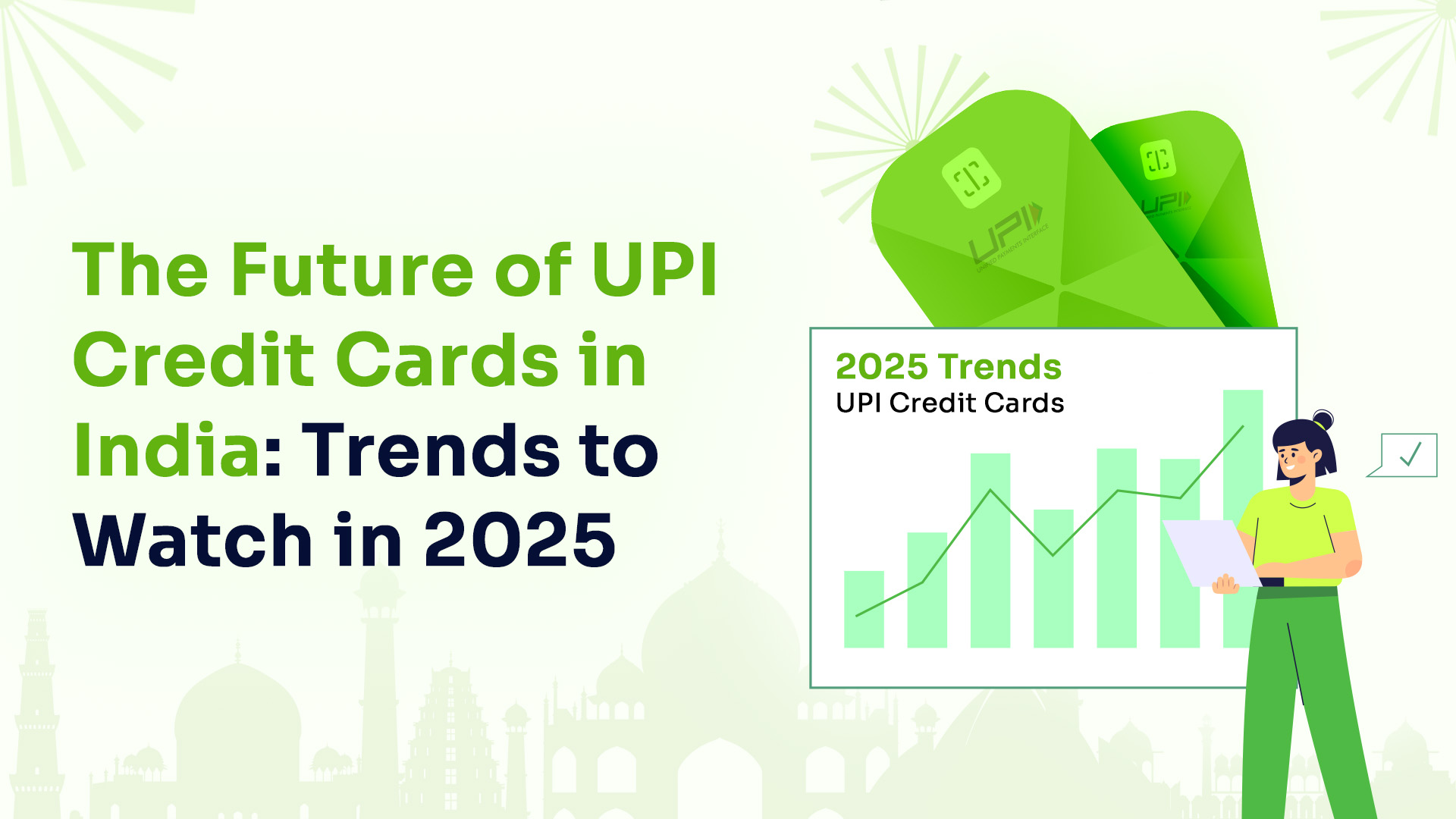
The future of UPI credit cards in India in 2025 is marked by rapid innovation, accelerated adoption, and significant shifts in consumer behavior and the payment ecosystem. Here are the core trends and developments to watch:
1. UPI-Credit Card Integration: The Gamechanger
- RuPay credit cards can now be seamlessly linked to UPI, allowing users to make QR payments directly from their credit line, not just their bank balance. This removes the friction of card swiping and expands the usability of credit cards across millions of merchants, especially in small towns and rural areas where UPI QR codes are ubiquitous.
- In the first seven months of FY25, UPI credit card transactions doubled year-on-year, reaching ₹638 billion ($7.4 billion). RuPay now powers half of all new credit cards issued in India as of mid-2024.
2. Fastest Growth in Digital Payments
- UPI processed 18.4 billion transactions in June 2025 alone, with monthly value surging above ₹24 trillion, and now represents nearly 80% of all digital retail payment volume in India. Credit card transaction counts continue to rise (~31% YoY in early 2025), but their share of digital payments is shrinking due to the overwhelming dominance of UPI and UPI-linked credit card payments.
- UPI QR codes saw a 91.5% surge, reaching 657.9 million in early 2025, making it far easier for any merchant to accept credit payments via QR, eliminating the need for POS machines.
3. Democratisation of Credit Access
- UPI credit card linkage opens the door for millions of “new-to-credit” consumers to access formal credit, including those without a traditional credit score. Innovative products, like secured credit cards linked to fixed deposits or small, pre-approved credit lines, are being piloted to safely onramp new users while managing credit risk.
- The integration will quadruple the number of active credit cards and transform both financial inclusion and credit penetration in India.
4. Industry Shifts and Consumer Preferences
- Debit card usage is plummeting (down -33% YoY in FY2024), with most small and medium payments shifting to UPI or UPI-linked credit cards. Debit cards remain relevant mainly for ATM withdrawals, but their usage at retail and online merchants is rapidly declining.
- Credit cards are repositioning: card rewards, buy-now-pay-later (BNPL) features, and instant EMI conversions are becoming attractive. UPI-connected credit cards enhance both rewards programs and convenience, blurring lines between card and digital payments.
5. Innovation and Regulation
- The Reserve Bank of India and National Payments Corporation of India are enabling new features, such as increasing UPI transaction limits, allowing flexible linking of different credit products (credit cards, business lines, small-ticket credit), and encouraging digital financial literacy through campaigns and regulatory support.
- Security and user protection are improving via tokenization and advanced digital authentication measures.
Key Takeaways for 2025
- Seamless, rewards-driven UPI credit transactions will dominate urban and rural India alike.
- RuPay’s market share is soaring, challenging global card networks via UPI integration.
- Credit democratization: Entry barriers to formal credit are collapsing; financial inclusion is accelerating.
- Debit card usage will continue to shrink as UPI and UPI-linked credit cards become the norm for everyday payments.
- Banks and fintechs will compete on user experience, data, and loyalty as UPI becomes the universal payment and credit layer.
The future of UPI credit cards in India is not just about payments. It is also about empowering consumers and merchants with seamless access to credit.
Here is the link for updated article (2026) – https://gokiwi.in/blog/upi-credit-card-trends/