Market Growth: Credit Card Trends & Transactions
India’s credit card market continues to expand in 2026.
- As of June 2025, there were ~111.2 million credit cards outstanding in India. Business Standard
- Monthly credit card transaction volumes have been rising steadily, with data showing ~458.7 million credit card transactions in March 2025. CEIC Data
- Total credit card spending rose ~15% YoY in May 2025, reaching nearly ₹1.9 lakh crore. LinkedIn
- Digital payments now dominate transaction volumes, comprising 99.8% of total transaction counts (including UPI, cards, etc.). The Economic Times
This shows strong demand for credit alongside broader digital adoption.
Drivers of Growth
UPI-Linked Credit Cards
One of the biggest shifts has been the rise of UPI-linked credit card use.
- UPI-linked credit card transactions now make up nearly 40 % of all credit card transactions by volume. Upstox – Online Stock and Share Trading
- RuPay credit cards now command about 38 % of credit card transaction volume and ~8 % by value. ETBFSI.com
- RuPay’s market share in India’s credit card ecosystem has climbed toward 16–18 % as UPI adoption has surged. LinkedIn+1
This trend reflects ease of use and strong reward incentives from UPI credit options.
User Behaviour Patterns (Credit Card Trends) in 2026
Consumers now use credit cards more frequently for everyday spending.
- Many daily transactions—groceries, local merchants, fuel—are now charged to UPI-linked cards rather than debit cards. This has contributed to debit usage declining relative to other digital channels. LinkedIn
- Credit card transactions are no longer just for large purchases, with spontaneous card use rising due to convenience.
UPI usage itself remains massive:
- UPI processed over 500 million active users and huge monthly volumes. Kiwi – UPI with Credit Card
This combination reinforces credit as a payment choice.
Risks and Credit Stress Signals
Rapid growth has also brought risks.
- Outstanding credit card balances and credit stress have risen alongside issuance. Industry commentary notes caution among banks due to rising delinquencies and risk. The Economic Times
- High APRs on unsecured credit remain a concern in consumer finance.
These underline the need for strong risk controls.
Innovation & Product Trends (2025–2026)
New UPI-Credit Integration
Banks and fintechs pushed innovative products:
- A fully digital UPI-powered co-branded credit card by Google Pay and Axis Bank launched in late 2025. The Times of India
This shows how issuers are expanding credit beyond traditional plastic.
Consumer Trends & Preferences
Rewards & Everyday Use
Consumers increasingly value simple cashbacks over complex reward programs.
UPI-credit linkage has helped shift everyday spends onto cards.
Fintech & Co-Branded Offerings
Neo-banks and fintech-led credit cards are gaining traction fast. Digital onboarding drives adoption. UPI incentives accelerate daily usage.
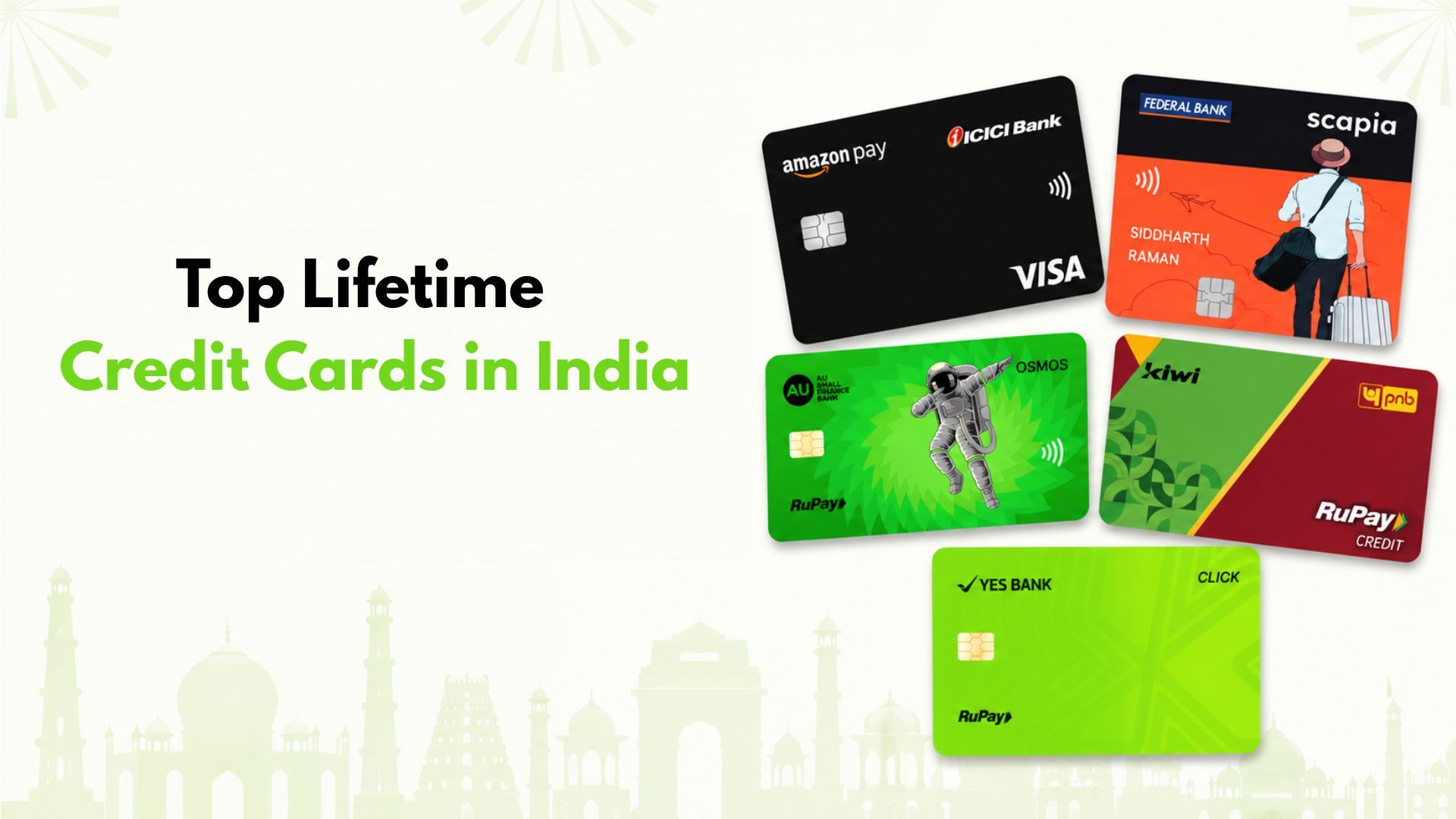
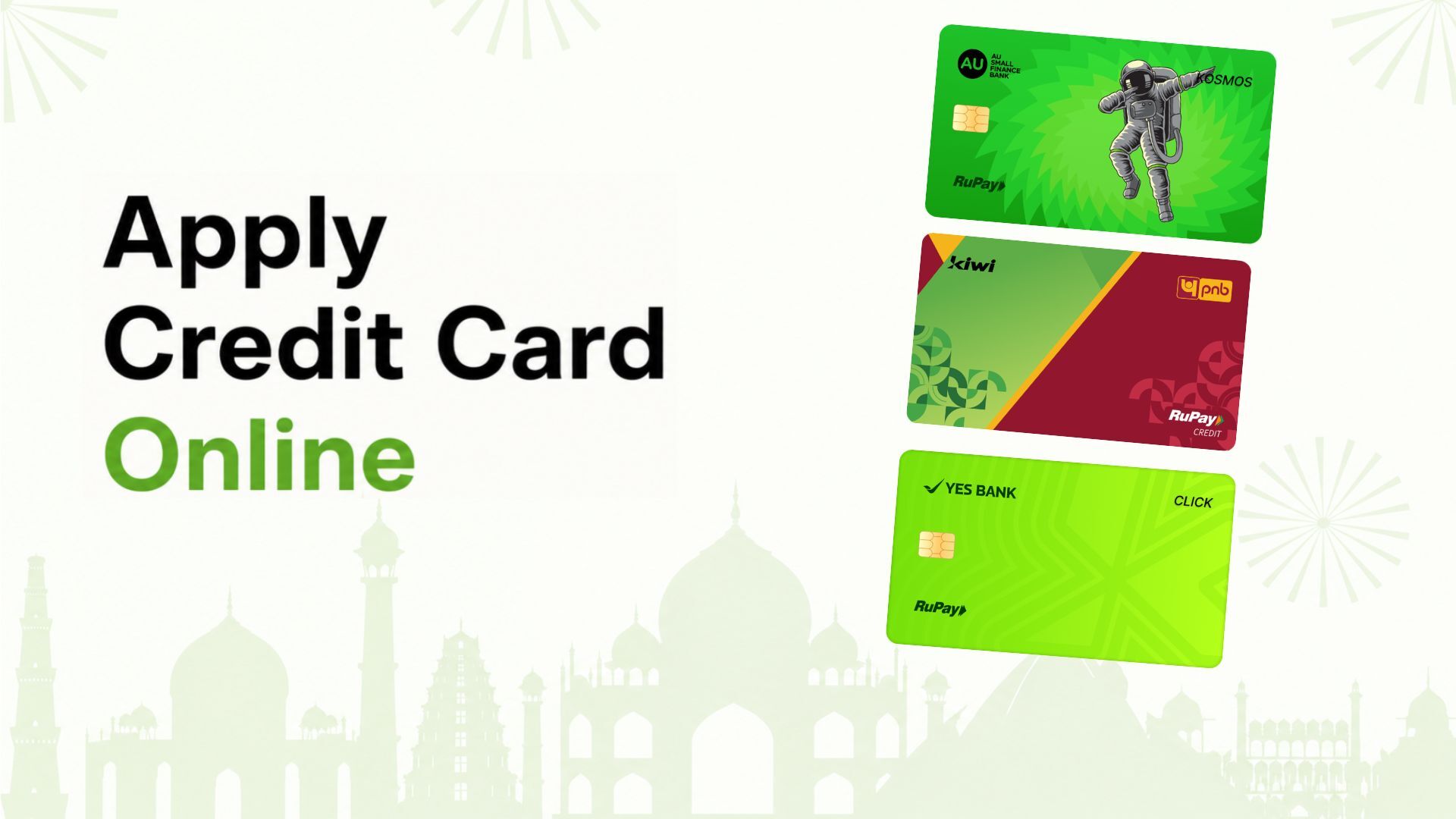
A strong example is the RuPay Credit Card via Kiwi. It allows users to pay via UPI using a credit card—something traditional cards failed to enable at scale. Offline UPI acceptance makes it usable at kirana stores, cafés, and local merchants.
Real cashback on everyday spends strengthens stickiness.
Fintech partnerships like Kiwi bridge the gap between credit cards and India’s UPI-first behaviour. Convenience, not rewards complexity, is the growth lever.
Outlook: 2026 and Beyond
- Card adoption is expected to continue, though issuance growth may moderate.
- UPI-linked credit cards are likely to gain even greater share of transactions.
- Tier-II and Tier-III cities will continue driving incremental growth.
Digital adoption and credit integration are shaping the next phase of India’s payment evolution.
Key Takeaways
- Credit cards are expanding, with ~111 million in circulation as of mid-2025. Business Standard
- UPI-linked credit card usage now accounts for ~40% of volume. Upstox – Online Stock and Share Trading
- RuPay’s share of credit traffic is rising rapidly. ETBFSI.com
- Digital transactions dominate overall payments volume. The Economic Times
- Everyday spending is shifting to credit with UPI convenience.