India is now firmly a scan-first economy.
Contactless payments are no longer limited to malls or metros. They are everywhere — from fuel pumps to neighbourhood stores. As usage rises, one question keeps coming up in 2026:
Are contactless payments actually safe in India?
Short answer: Yes — if you know how they work and use them correctly.
Let’s break it down.
How Contactless Payments Work in 2026
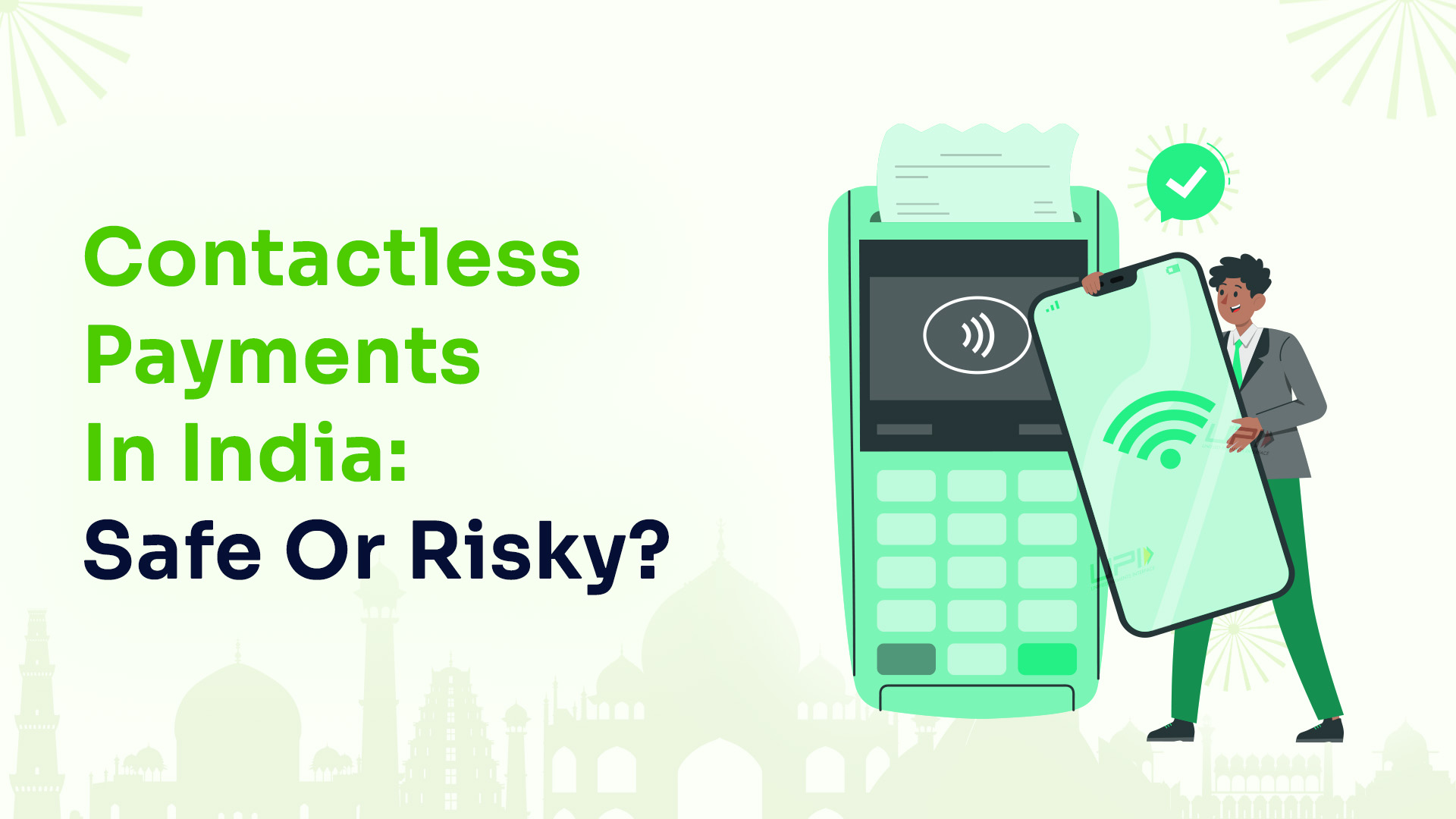
Contactless payments use NFC (Near Field Communication) technology.
Your card, phone, or smartwatch communicates with the payment terminal only when held within a few centimetres. The data exchanged is encrypted and valid for just one transaction.
In India:
- Small-value tap payments work without a PIN
- Higher-value transactions require additional authentication
This balance keeps payments fast while controlling risk.
RBI Rules That Protect You
India’s contactless ecosystem is tightly regulated by the Reserve Bank of India.
Key safeguards in 2026 include:
1. Transaction Limits
Low-value tap-and-pay transactions are capped. Anything beyond that requires a PIN or secondary authentication. This means a lost card cannot be drained endlessly.
2. Dynamic Encryption
Each tap generates a unique, one-time transaction code.
Your actual card number is never shared. Even if data were intercepted, it would be useless.
3. Ultra-Short Range
NFC works only at very close distances.
You cannot be charged by someone “walking past you”.The card must be intentionally tapped on a terminal.
4. Time-Bound Authorisation
If the tap doesn’t complete in seconds, the transaction fails automatically.
No accidental payments. No background deductions.
Common Myths vs Reality (2026 Edition)
| Myth | Reality |
| Someone can steal money by standing near me | Terminals are KYC-verified and traceable. Random scans don’t work |
| Contactless cards are easy to clone | Secure chips and encryption make cloning impractical |
| A stolen card allows unlimited spending | RBI limits + bank fraud controls stop misuse quickly |
Fraud exists — but not because of NFC itself.
What’s Actually Risky in 2026
The biggest threats are not contactless technology.
They are:
- Phishing messages
- Fake support calls
- Malicious links
- Social engineering scams
That’s why banks now:
- Send instant transaction alerts
- Use risk-based authentication
- Temporarily block suspicious activity automatically
Technology keeps improving. Human awareness still matters most.
New Safety Trends in 2026
Biometric Authentication
Banks are expanding biometric checks for higher-value tap payments — especially on phones and wearables.
AI-Driven Fraud Detection
Unusual spending patterns trigger instant reviews and temporary blocks.
Better User Controls
Most banking apps now allow:
- One-tap card freeze
- Contactless on/off toggles
- Location-based usage controls
Security is moving into the user’s hands.
If You Loose Your Card
If it happens:
- Block the card immediately via app or helpline
- Report the incident to your bank
- Monitor alerts and statements
Most Indian banks offer zero-liability protection if you report quickly.
Speed matters more than anything else.
Best Practices for Safe Contactless Payments
- Always tap the card yourself
- Keep SMS and app alerts enabled
- Review statements regularly
- Never share card images or details
- Use app controls to lock features when not needed
These habits eliminate most real-world risk.
Contactless, UPI, and the 2026 Reality
In 2026, contactless isn’t just cards.
UPI, mobile wallets, and UPI-linked credit cards all use similar security principles:
- Tokenisation
- Real-time alerts
- Device-level authentication
The experience is seamless — the protection runs quietly in the background.
The Bottom Line
Contactless payments in India are not risky by design.
They are among the most regulated and secure payment methods available.
For everyday spends:
- They are fast
- They are safe
- They reduce friction
Stay alert.
Use app controls. And enjoy the convenience.
In 2026, tapping to pay isn’t just normal. It’s smart.