GoKiwi

Virtual Credit Card

Virtual Credit Card – What It Is & How It Works

At Kiwi, we make it easy for you to understand and use virtual credit cards—the smarter, safer way to shop online. A virtual credit card is a digital version of your physical credit card. It exists only on your phone or email, and you can use it to make secure online payments without exposing your main card number.

Most major Indian banks and fintech platforms like HDFC, ICICI, SBI, Axis Bank, and even platforms like Paytm and Fi offer virtual credit card options. These cards come with a unique 16-digit number, CVV, and expiry date, generated instantly through your bank’s app or website. They link to your existing credit limit but allow you to transact without using your physical card.

We help you understand how virtual credit cards work, how to generate one, and where you can use them. Our guides explain the setup process for each bank, how to use the card on shopping apps, and how to track and manage your usage. You can start using one within minutes—without any paperwork, delay, or extra cost.

We also break down different types of virtual credit cards, including one-time-use cards for secure single transactions and reloadable virtual cards for regular usage. Whether you’re shopping online, subscribing to streaming services, or making cross-border payments, we show you how to do it securely and efficiently.

Virtual Credit Card – Benefits, Security & Best Options

Virtual credit cards don’t just offer convenience—they protect you from online fraud, unauthorized usage, and data theft. Since they’re not physically present, they’re impossible to clone. You can block or delete them instantly if anything feels off, reducing your exposure to cyber risks.

At Kiwi, we highlight the key benefits of virtual credit cards: instant issuance, zero physical risk, usage limits, and no risk if stolen. We also show you how to set transaction caps, expiry timers, and merchant restrictions, giving you more control over your online spending than ever before.

We review the best virtual credit card options in India, including lifetime free cards and digital-first credit cards from neobanks. You’ll find details on reward programs, interest-free periods, EMI conversions, and how these virtual cards compare with physical cards in terms of charges and usability.

We also stay updated on RBI regulations and bank-specific policies regarding virtual cards. When new features roll out—like tokenized cards for added security or integration with UPI—we break them down in plain language so you can make the most of every tool.

At Kiwi, we believe virtual credit cards are the future of online spending. They put you in control of your financial security while keeping payments fast, easy, and rewarding. Explore this category to find trusted recommendations, step-by-step guides, and everything you need to manage your virtual credit card like a pro.

APR in Credit Card

What is APR in a Credit Card?

What is APR in credit card usage, and why should Indian credit card users care about it? APR stands for Annual Percentage Rate. It is the yearly rate used to show the cost of borrowing money on your credit card when you do not pay the full bill by the due date. In simple words, […]

Good Credit score

What Is a Good Credit Score? A Simple Guide for Indian Users

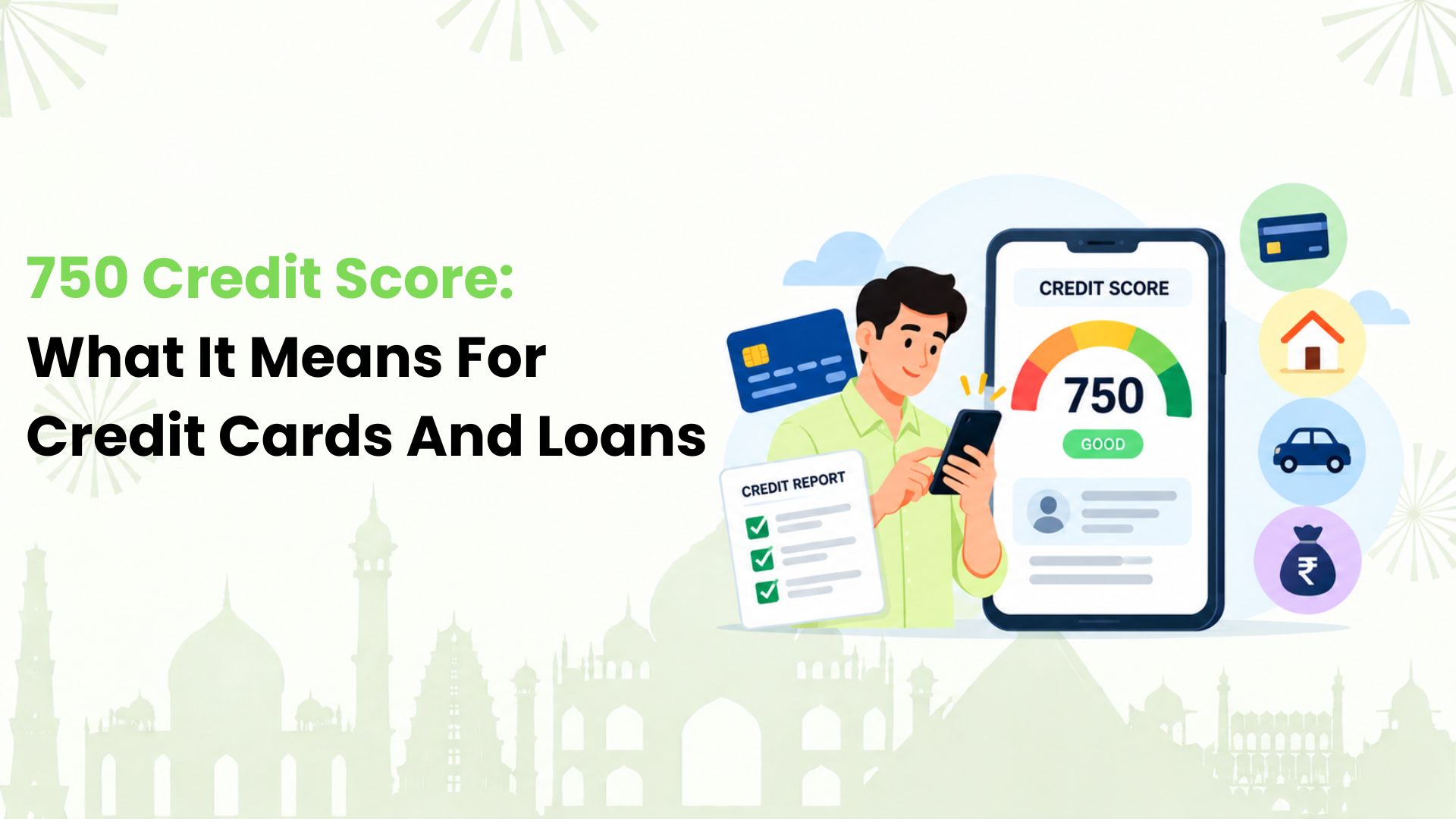
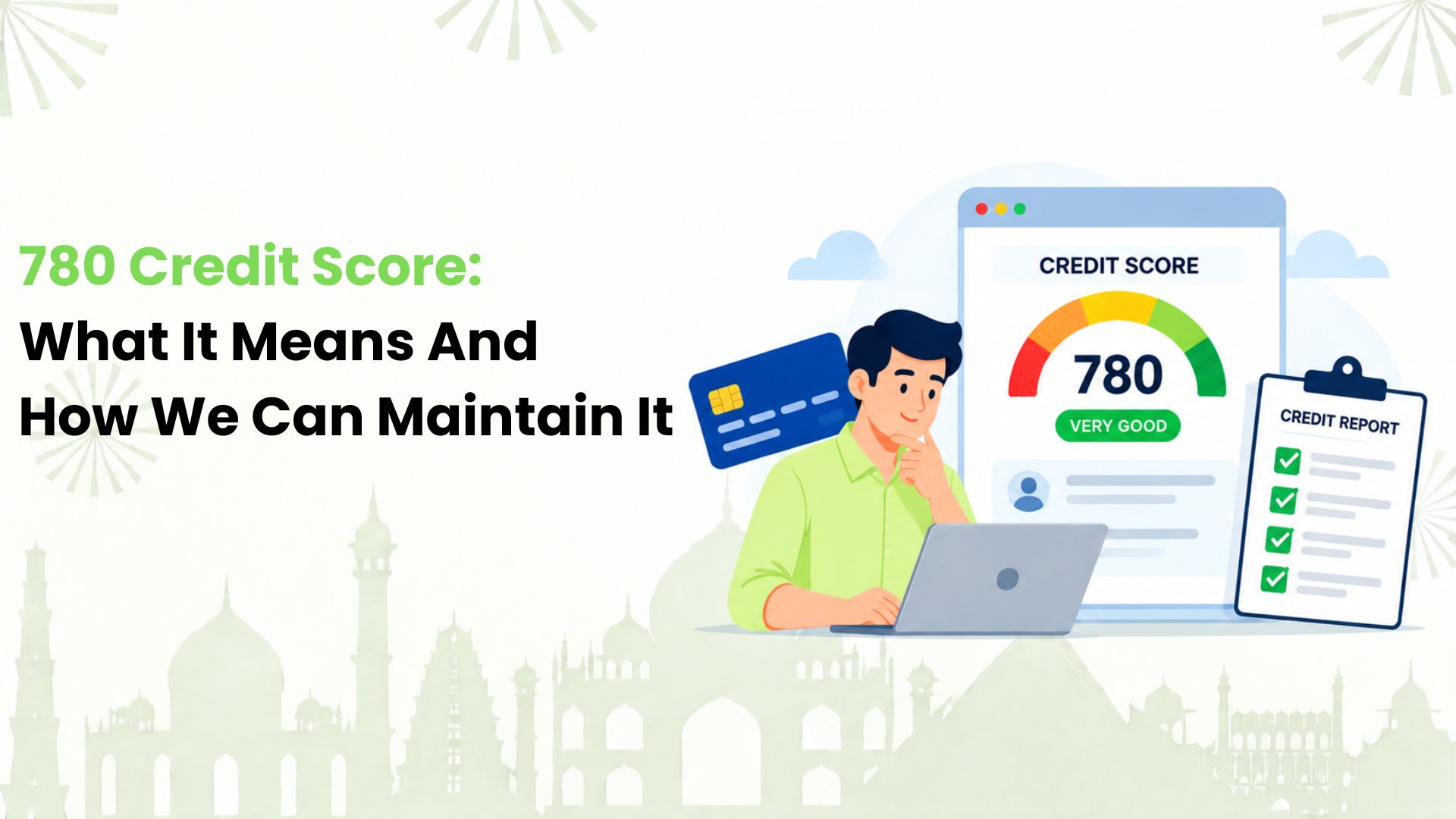
A good credit score is usually 750 or above in India, especially when you are applying for a credit card, personal loan, or other unsecured credit. A score between 700 and 749 can still be considered good by many lenders, but 750 and above generally gives you a better chance of smoother approvals and more […]

UPI Circle

What is UPI Circle?

What is UPI Circle? It is a delegated UPI payment feature for Indian UPI users who want to let a trusted person make payments from their UPI-linked bank account, within controls set by the account holder. In simple words, one person keeps control of the bank account and another person gets permission to use it […]

UPI Mandate

How to Cancel UPI Mandate: A Simple Guide

How to cancel UPI mandate is a common question for users who want to stop automatic debits for subscriptions, bills, EMIs, or other recurring payments. In most cases, you can cancel it from the same UPI app where you approved it. Open the app, go to AutoPay or Mandates, select the active mandate, tap Cancel […]

Dearness Allowance

What is DA in Salary? Meaning, Calculation, Tax Rules and Examples

DA in salary means Dearness Allowance, an inflation-linked amount paid with basic salary. For Indian salaried employees, especially government employees, public sector employees and pensioners, DA helps protect monthly income when the cost of everyday goods and services rises. In simple words, DA is a cost-of-living adjustment. It is usually calculated as a percentage of […]

CIBIL score

Smart Ways to Improve Your CIBIL Score

CIBIL score improvement starts with better repayment habits, lower credit usage, and a clear view of your credit report. For Indian credit card users, loan borrowers, and first-time credit users, small disciplined changes can make the credit profile stronger over time. A CIBIL score is a three-digit credit score issued by TransUnion CIBIL. It usually […]

Gpay Transaction Limit

What Is The Maximum Transaction Limit In GPay?

What is the maximum transaction limit in GPay? For most Indian users, the standard Google Pay UPI limit is up to ₹1,00,000 in one day across all UPI apps linked to the same bank account. The actual amount you can send may be lower because your bank, account type, Google Pay checks, and the transaction […]

What is PF in Salary

What is PF in Salary? Meaning, Calculation, Benefits and Rules

What is PF in salary? PF means Provident Fund, a retirement savings benefit for salaried employees in India. If you are a first-time employee, reviewing a salary slip, or comparing a new job offer, PF is one of the most important deductions to understand. In simple terms, a part of your salary is deducted every […]

ITR Filing

ITR Filing Guide: Step-by-Step Process for First-Time & Returning Taxpayers (2026)

ITR filing can feel confusing for new taxpayers in India, especially when words like assessment year, Form 16, AIS, deductions, refund, and e-verification appear together. The good news is that the process is easier when you break it into a clear checklist. This guide explains what ITR filing means, who should file it, which documents […]