Applying for a RuPay credit card in 2026 is mostly digital. But documentation still matters. Banks follow guidelines set by the Reserve Bank of India for KYC, risk checks, and income verification. If you are planning to apply for a RuPay credit card, here is everything you need to keep ready.
1. Identity Proof (Mandatory)
You must prove who you are.
Most commonly accepted documents:
- Aadhaar Card
- PAN Card (mandatory for credit cards)
- Passport
- Voter ID
- Driving Licence
PAN is compulsory because banks check:
- Credit history
- Existing loans
- Income reporting
Without PAN, credit card approval is unlikely.
2. Address Proof (If Different from Aadhaar)
If your current address differs from Aadhaar, you may need:
- Utility bill (electricity, gas, broadband)
- Rent agreement
- Passport
- Bank statement showing current address
Some banks accept Aadhaar e-KYC for both identity and address.
3. Income Proof (For Salaried Applicants)
If you are salaried, keep:
- Last 3 months’ salary slips
- Bank statements (last 3–6 months)
- Form 16 (sometimes required)
Banks use this to decide:
- Credit limit
- Card type eligibility
- Risk category
Higher verified income = higher approval chances.
4. Income Proof (For Self-Employed Applicants)
If you run a business or freelance, you may need:
- ITR (last 1–2 years)
- Business registration proof
- GST returns (if applicable)
- Bank statements
Self-employed approvals depend heavily on documented income.
5. Photograph (If Offline Application)
For fully digital applications, live photo/video KYC is done.
For branch or assisted applications:
- Passport-size photo may be required.
6. Existing Credit Card Details (Optional but Helpful)
If you already have another credit card:
- Share card details during application
- Good repayment history improves approval chances
Banks may offer faster approval or higher limit.
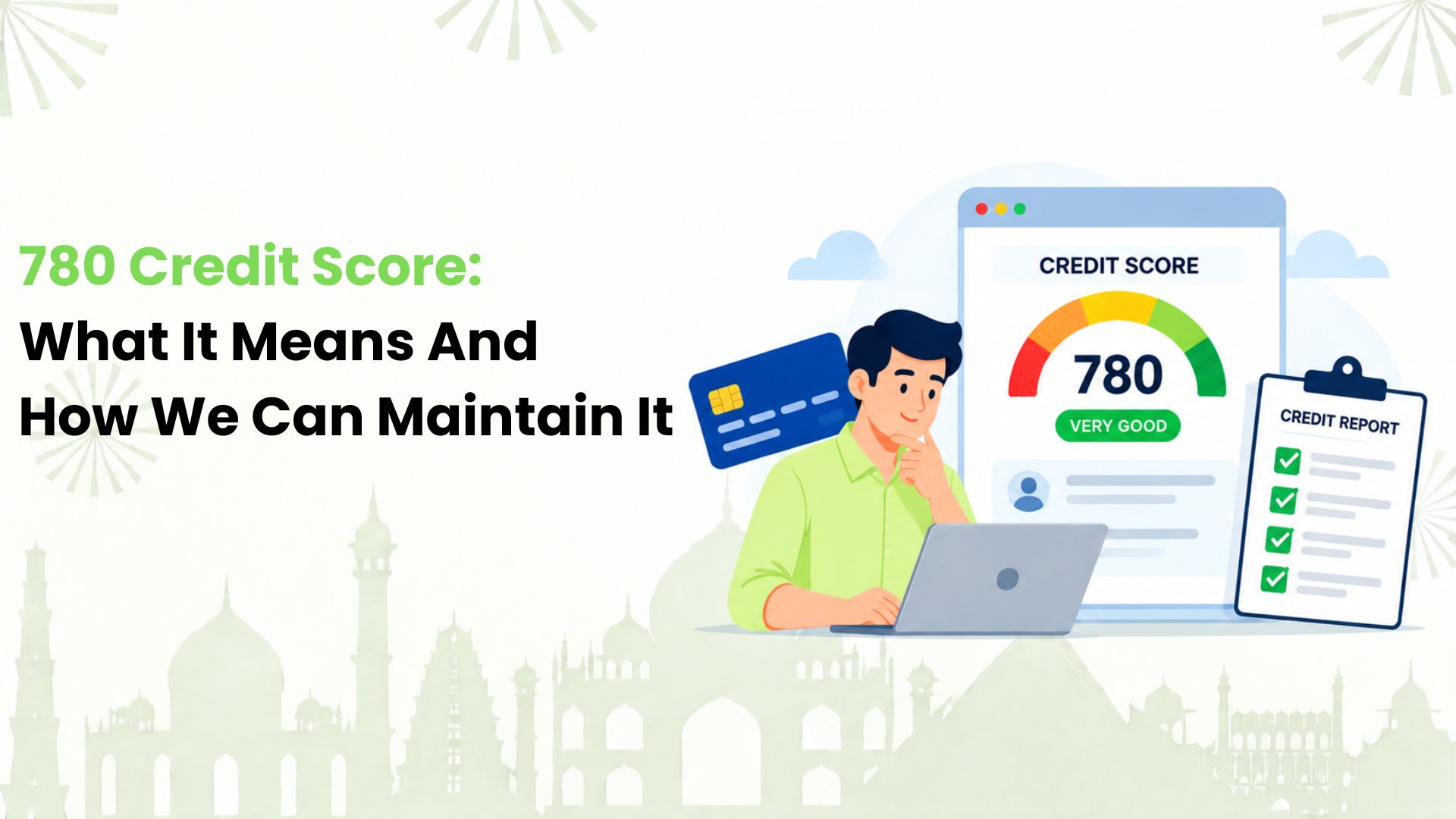
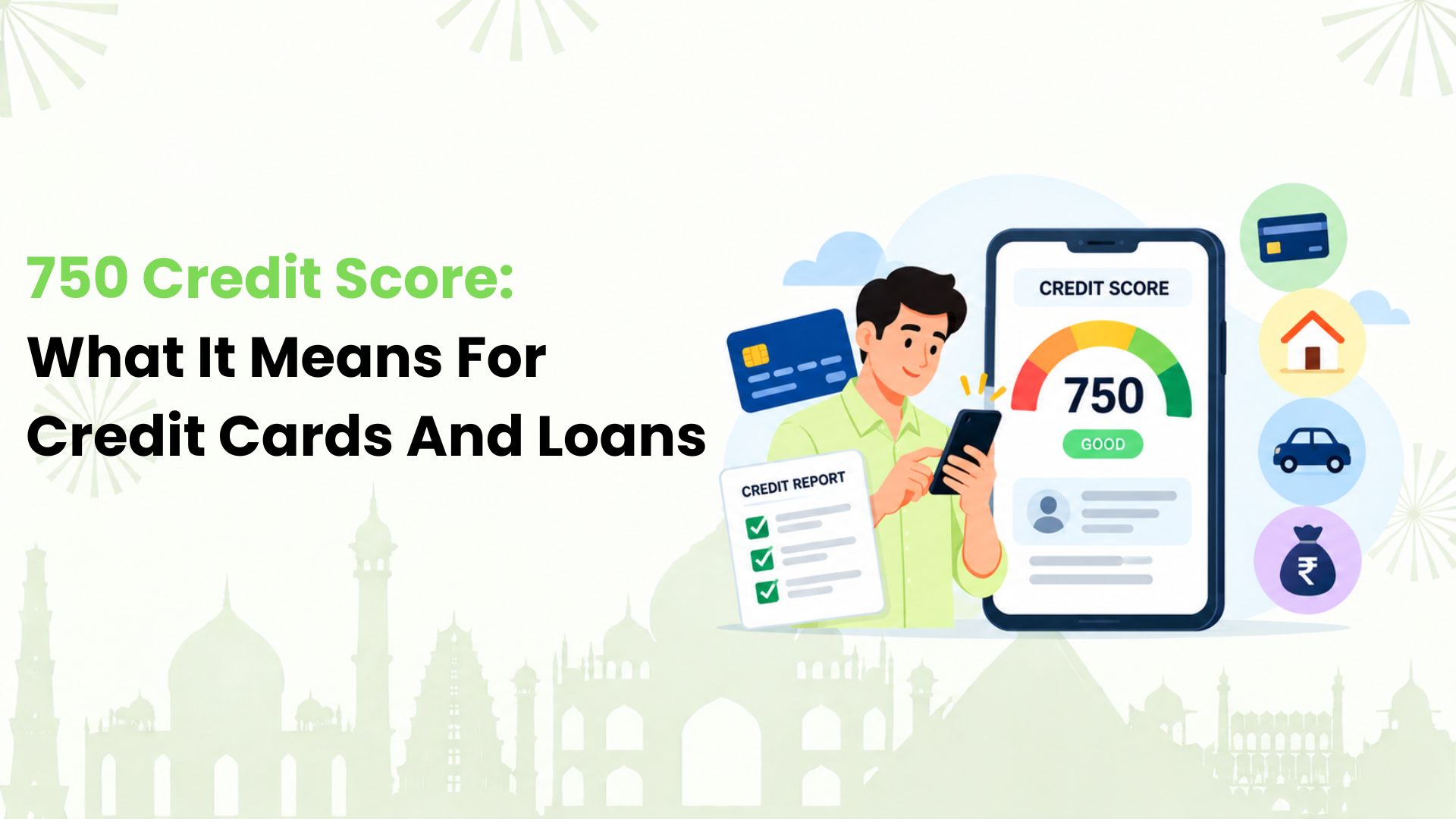
7. CIBIL / Credit Score Check
You do not submit this document.
But banks will check it using your PAN.
Ideal credit score:
- 750+ → Strong approval chances
- 700–750 → Moderate
- Below 650 → Difficult
Fully Digital KYC in 2026
Most RuPay credit cards now support:
- Aadhaar-based e-KYC
- Video KYC verification
- Instant PAN validation
- Digital signature
This reduces paperwork.
Approval can happen within minutes for eligible users.
How Kiwi Makes the Journey Fully Digital and Simple
One of the biggest friction points in credit cards used to be:
- Physical forms
- Branch visits
- Long waiting periods
- Repeated document uploads
Kiwi changes that.
With a fully digital flow:
- Application happens inside the app
- PAN is verified instantly
- Aadhaar e-KYC completes identity validation
- Video KYC is seamless
- No paperwork
- No branch visit
The process is built for mobile-first users.
You can apply, complete verification, and get approval without printing or scanning documents physically.
For users who want a RuPay credit card primarily for UPI usage, this digital-first journey removes the traditional banking friction.
It feels closer to opening a fintech app than applying for a traditional credit product.
Quick Checklist Before Applying
- PAN card
- Aadhaar card
- Salary slips or ITR
- Updated address proof
- Active bank account
- Good credit score
Keep scanned copies ready in PDF or JPEG format.
Final Thoughts
Applying for a RuPay credit card in 2026 is easier than ever.
But documentation still drives approval.
Clean KYC.
Clear income proof.
Healthy credit score.
That is the formula.
Once approved, use it wisely.
Pay full dues on time.
Maintain low utilisation.
Credit works best when managed smartly.
FAQs
1. Is PAN mandatory for a RuPay credit card?
Yes. PAN is required for credit checks and tax reporting.
2. Can I apply without income proof?
Some entry-level cards may not require detailed income proof, but most standard cards do.
3. Is Aadhaar compulsory?
Not legally compulsory, but widely used for fast digital KYC.
4. How long does approval take?
Digital approvals can take minutes to a few days depending on profile.
5. Can students apply for RuPay credit cards?
Yes, but usually via secured cards or low-limit variants.