Paying the minimum due feels safe. It feels responsible. It feels like you avoided late fees. But it can quietly become a debt trap.
If you use a RuPay credit card — especially one linked to UPI — you need to understand how the minimum due system really works.
Let’s break it down simply.
What Is Minimum Due?
Minimum due is the smallest amount you must pay before the due date to avoid:
- Late payment charges
- Immediate penalty reporting
It is usually 5% of your total outstanding (varies by bank).
Example:
- Total outstanding: ₹50,000
- Minimum due: ₹2,500
If you pay ₹2,500, your account stays “active.” But the remaining ₹47,500 does not disappear.
Interest starts accumulating.
Why It Is Called a Trap
Because it looks small. But the costs become big.
Let’s say:
- Outstanding: ₹50,000
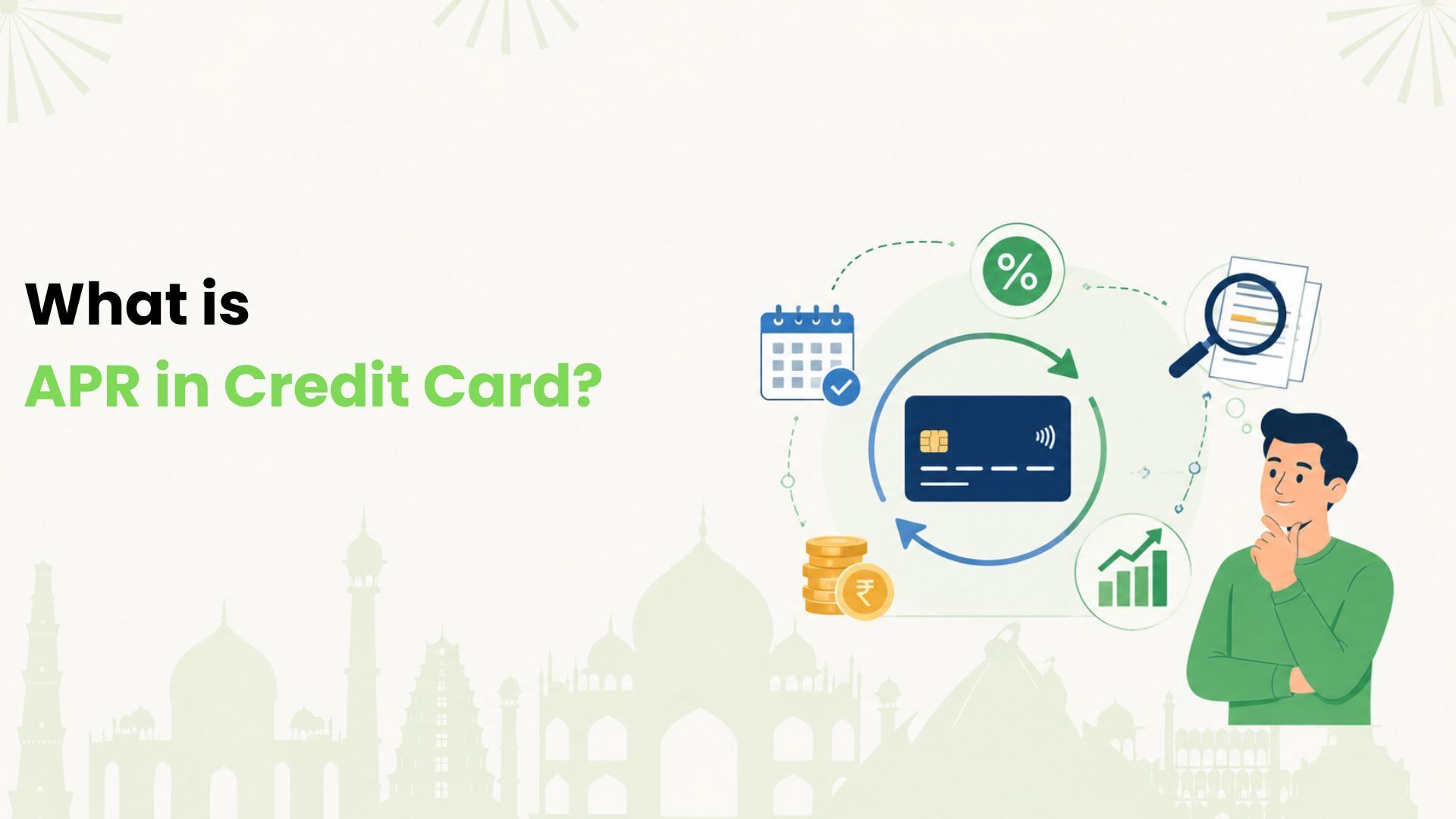
- Interest rate: 36–42% annually (3–3.5% per month typical for credit cards)
If you keep paying only minimum :
- Interest keeps compounding
- New purchases also attract interest
- You lose the interest-free period
Very quickly, ₹50,000 can turn into ₹65,000–₹70,000.
And you may not realise how.
Why RuPay UPI Users Are More Vulnerable
RuPay credit cards linked to UPI make spending frictionless.
You can:
- Scan at kirana stores
- Pay small merchants
- Split bills easily
- Make daily micro-payments
₹200 here.
₹500 there.
₹1,200 online order.
It feels manageable. But when the bill comes, it looks large. And paying only the minimum due feels like relief. That is where the cycle begins.
What Happens When You Pay Only Minimum Due?
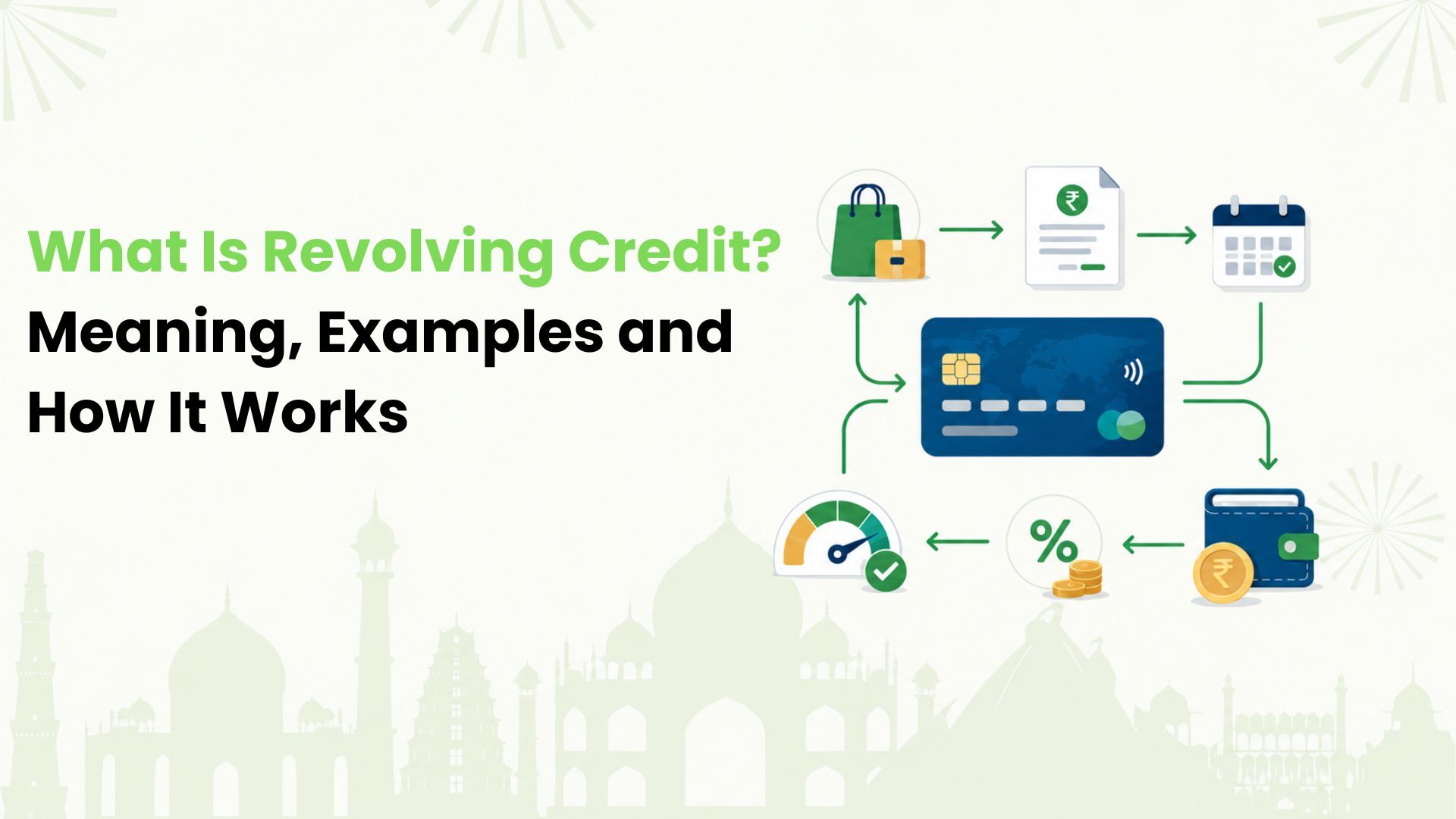
1. Interest on Remaining Amount
You pay ₹3,000 on ₹60,000. Interest applies to ₹57,000. Every month.
2. Interest on New Purchases
Once you revolve credit (carry balance), even new purchases lose the interest-free benefit. You start paying interest from day one.
3. Slower Debt Reduction
Most of your payment goes toward interest. Very little reduces the principal. Debt moves slowly.
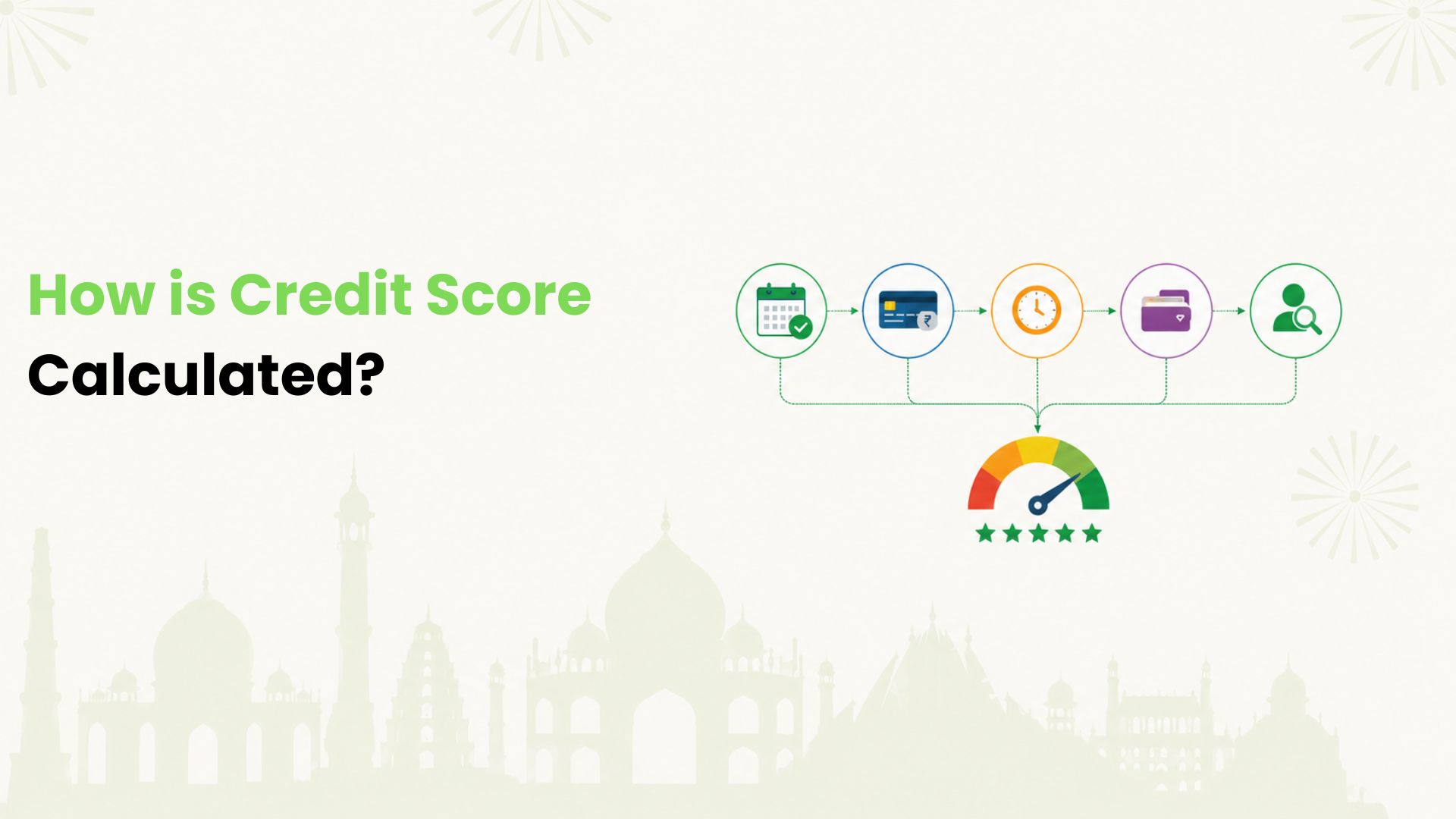
4. Credit Score Impact
Paying minimum due does not hurt your score immediately. But high outstanding balance increases credit utilisation ratio. If utilisation stays high, your score may drop.
Realistic Example
Suppose:
- Outstanding: ₹80,000
- Monthly interest: 3.5%
Month 1 interest ≈ ₹2,800
You pay minimum due ₹4,000
Only ~₹1,200 reduces principal. Next month, interest again applies. This can stretch for years if not controlled.
When Is Paying Minimum Due Okay?
Only in short-term emergencies:
- Medical expense
- Unexpected travel
- Temporary cash flow issue
But treat it as a one-time safety net. Not a repayment strategy.
Smart Strategy for RuPay Credit Card Users
1. Always Aim for Full Payment
Best option.
No interest.
No stress.
2. If Not Possible, Pay As Much Above Minimum As You Can
Instead of ₹3,000 minimum, try ₹20,000. Reduce principal faster.
3. Avoid New Spending Until Cleared
Pause UPI credit usage. Switch to debit or cash temporarily. Stop increasing the balance.
4. Convert to EMI If Needed
Many banks allow conversion of large transactions into EMI at lower interest rates. It is usually cheaper than revolving credit.
5. Track Weekly, Not Monthly
UPI-linked RuPay cards increase transaction frequency. Check your outstanding amount weekly. Pre-pay mid-cycle if needed.
The Psychological Trap
Minimum due gives mental relief. “You paid something.” But financially, it delays the problem. Credit cards are powerful tools. But only when used with discipline.
Final Thoughts
RuPay credit cards bring flexibility and UPI convenience. They are designed for seamless payments. But convenience must be matched with awareness.
Paying the minimum keeps your account alive. Paying full due keeps your finances healthy.
FAQs
1. Does paying the minimum due affect my credit score?
Not immediately. But a high outstanding balance can increase utilisation and impact your score over time.
2. What is the typical interest rate on credit cards?
Most Indian credit cards charge around 30–42% annually.
3. Will I lose the interest-free period if I pay only minimum due?
Yes. New purchases may attract interest from the transaction date.
4. Is EMI better than paying the minimum due?
In most cases, yes. EMI usually has a lower effective cost than revolving credit.
5. How can I escape the minimum due cycle?
Stop new spending, pay aggressively above minimum, and clear the balance as soon as possible.