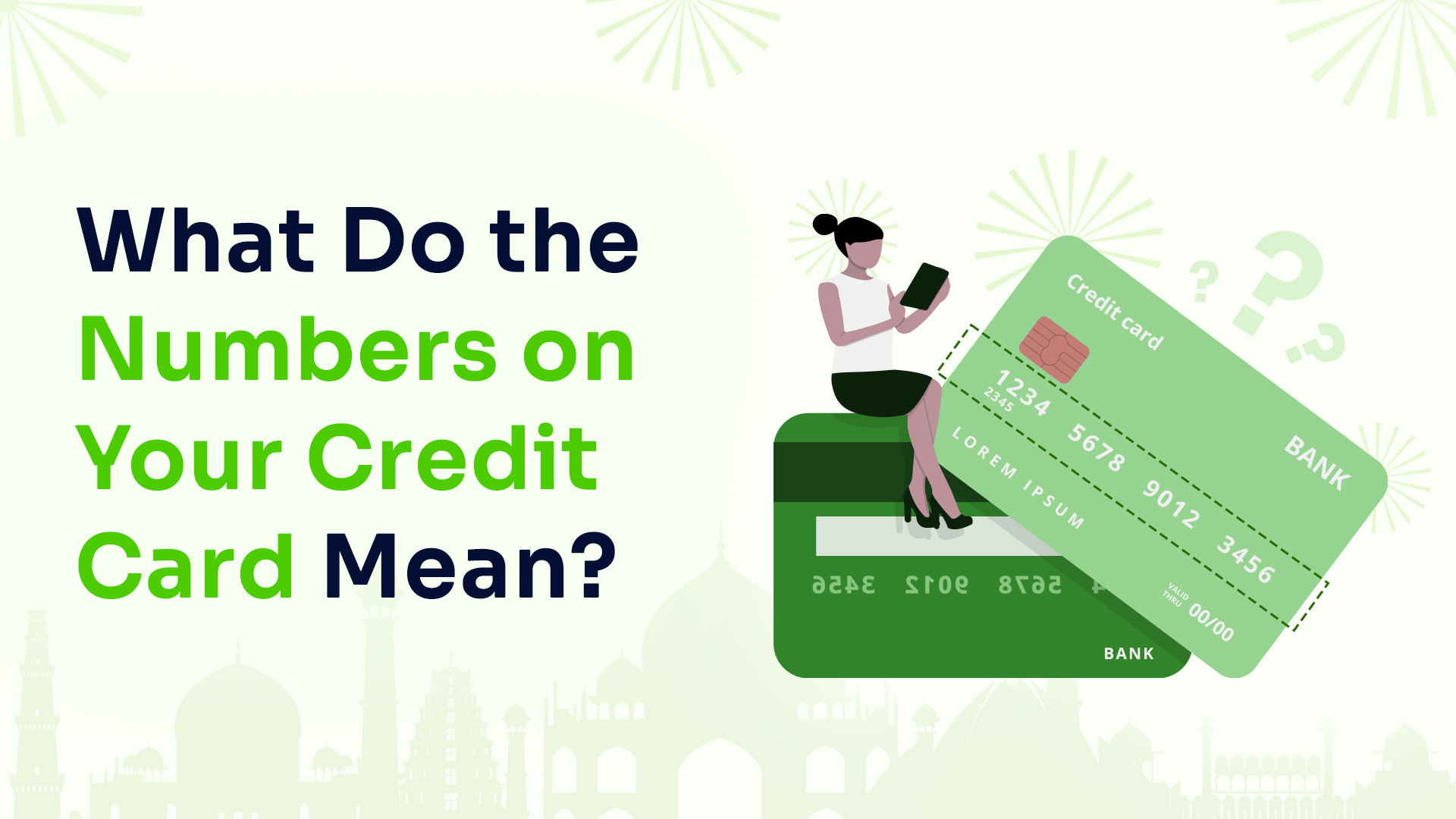
At first glance, the long string of digits on a credit card might look random. However, every number on your card carries a specific meaning, following international standards that ensure every card is unique, secure, and easily verifiable for payments worldwide.
The Structure of a Credit Card Number
A credit card number is typically 15 or 16 digits long. These digits are divided into distinct sections, each serving a unique function:
- First digit (Major Industry Identifier — MII):
- Identifies the card network and industry.
- Example: 3 for American Express, 4 for Visa, 5 for Mastercard, 6 for Discover.
- Next 5–7 digits (Issuer Identification Number — IIN/BIN):
- Identifies the specific bank or financial institution issuing the card.
- These digits help merchants and networks route transactions correctly.
- Following digits (Account Number):
- The next 6–12 digits indicate the cardholder’s specific account number, ensuring each card issued is unique and linked to its owner.
- Final digit (Checksum):
- The Luhn algorithm calculates the last digit to validate card numbers and prevent errors.
- The Luhn algorithm calculates the last digit to validate card numbers and prevent errors.
Other Numbers on Your Card
- Expiry Date: Found below the card number, formatted MM/YY; shows when the card is no longer valid.
- CVV/CVC Code: A three- or four-digit code, usually on the back of the card, used for verification in online or remote transactions.
Example Breakdown
Suppose you have a Kiwi RuPay credit card issued by YES Bank. The credit card number might look like this:
6072 76XX XXXX XXXX
- 6 → RuPay/India network
- 607276 → Issuer (YES Bank, RuPay network, Kiwi-partnered card)
- XX XXXX XXXX → Unique account number assigned to you
- Final digit → Luhn check digit
Why This Matters
- Card numbers aren’t randomly generated; they are built following strict standards so every transaction is secure.
- Understanding how these numbers work can help spot fraud, verify legitimate cards, and appreciate the complexity behind everyday payments.
Credit card numbers are carefully structured to maximize security and functionality. Next time you use your card, you’ll know that each digit plays a vital role in getting your transaction safely to your bank!.