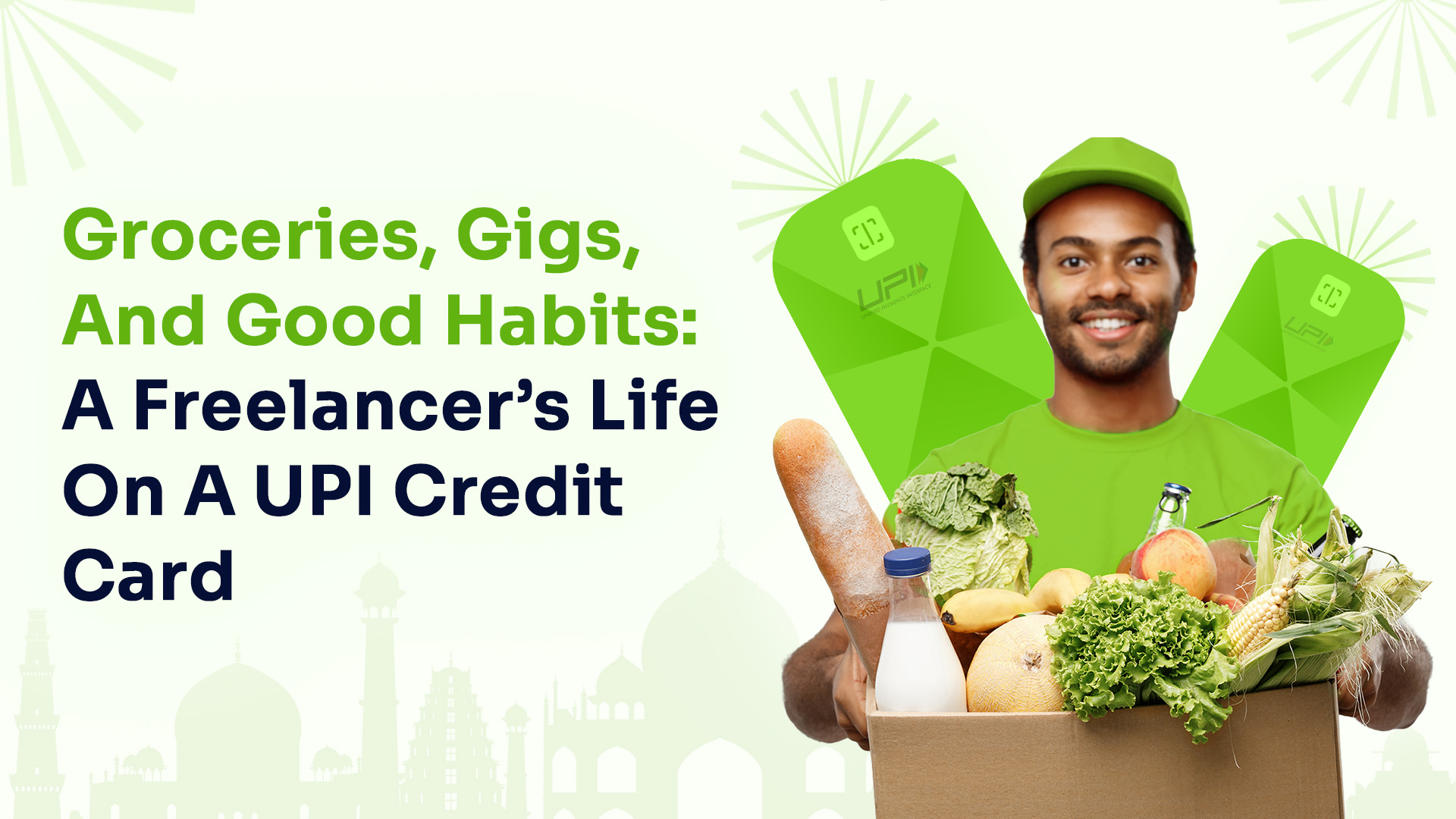
I live by invoices and tea. Some weeks I shoot late and edit later. Other weeks I chase clients, not ideas. Cash flow arrives in waves. Expenses don’t. That’s the rhythm most freelancers know.
A few months ago, I started running my routine on a UPI Credit Card—specifically, a RuPay Credit Card via Kiwi. It wasn’t my first card. It was the first time my everyday QR payments rode on a billing cycle instead of draining my savings account in real time. That small shift changed more than my balance.
The Sunday shop that set the tone
My week starts at the kirana. Vegetables, milk, eggs, bread, and a quick chat about tomatoes. The shop has the usual UPI QR by the counter. I scan it and choose my credit route in the app. The payment feels identical to a normal UPI transfer, but it sits on my card statement—neatly grouped with the rest of the week.
By Monday afternoon, I’m on a client call. The brief runs long, the coffee runs out, and I step out for a chai. The street stall also has a QR. I pay again on credit. These are small spends—₹40 here, ₹320 there. On a savings account, they nibble. On a billing cycle, they stack where I can see them.
Gigs don’t wait for invoices
Freelance life means paying first and getting paid later. I’ll book cabs to shoots, grab prop supplies. Most places take QR now, even the small ones. When they accept credit on UPI, my scan flows through the card. When they’ve disabled credit acceptance, my app shows only the bank-account option and I switch rails. No drama—just a note to self.
The big win is clarity. I tag work spends in my card app and mark personal ones differently. At month-end, I can export the work list, bill it to projects, and keep my personal budget honest. One phone, two lives, not mixed.
The statement date became my anchor
The first time I noticed the cycle’s power was right after my statement date. I needed a hard drive. Buying it the next day stretched my interest-free window to the full length until the due date. Groceries kept landing on the card. Small café bills joined them. The result was a month that felt less spiky.
I learned to watch utilisation too. I try to stay well under 30% of my limit. It keeps me calm and my credit health steady. I set a reminder a few days before the due date. When the payment goes through, the slate feels clean again.
Rewards that felt like real money
On eligible everyday offline UPI spends, I saw real cashback appear against my card usage. Not points I had to decode—actual cash I could withdraw to my bank account later. I didn’t change my life to chase rewards. I just let my routine run on QR rails.
I also read about Kiwi’s Neon upgrade: an annual ₹999 plan with milestone-based cashback—3% after ₹50,000 annual spends, 4% after ₹1,00,000 (minus cashback already earned), and 5% after ₹1,50,000 (minus cashback already earned), plus three lounge accesses. I haven’t switched yet; I’m testing how my annual pattern looks first. The standard structure works for me while I learn my cadence.
What didn’t count—and why that’s fine
Some categories don’t earn cashback. Utilities, government payments and taxes, fuel, tolls and certain transport fees, jewelry, many professional or business services—these sit on the exclusions list. A few merchants also disable credit acceptance on their QR; at those counters, I just pay from my bank account.
Fuel doesn’t earn cashback either, but the 1% fuel surcharge waiver applies on eligible transaction amounts. It’s a small but welcome tweak. Knowing the boundaries helps me plan without guesswork.
Kiwi’s role in all of this
Kiwi provided the bridge I needed: a RuPay Credit Card I could link to UPI inside the Kiwi app and then use to scan standard UPI QRs and pay via credit. The card is lifetime free—no joining or annual fees—which lowered my mental barrier to trying a new setup. I’m not new to credit; Kiwi wasn’t my first card. It simply fit the way I already pay.
Most small merchants I visit every week—kirana, chemist, salons, cafés, the neighborhood dairy—accept QR. Many large chains do too; you’ll often find a QR tent by the register. If credit-on-UPI is enabled, my card option shows up. If it isn’t, I move on and pay from savings. Either way, I keep my receipts tidy and my categories clean.
The freelancer math that finally adds up
The change isn’t flashy. I still buy the same groceries. I still chase the same deadlines. The difference is that my small spends don’t quietly hollow out my savings account. They gather on one statement, next to clearly tagged work outlays. I can see what the week cost in one glance, not five apps.
When invoices hit, I clear the card before the due date. When life gets busy, the reminder I set keeps me honest. I don’t pay interest because I don’t carry a balance. I don’t gamble with my credit health because I watch my utilization. I still treat credit like credit—useful, but not free money.
A week, a month, a habit
Freelancing is unpredictable. My payments shouldn’t be. The UPI Credit Card gave me a steady rhythm inside a messy schedule. Groceries, gigs, and the thousand small tickets of everyday life now run on rails I can read. That’s what good tools do: they make old habits visible enough to improve.