UPI

UPI (Unified Payments Interface)

At Kiwi, we make Unified Payments Interface (UPI) simple, secure, and rewarding for everyday users. In this category, we focus on helping you understand how UPI works, how to get the most out of it, and how to use it safely—whether you’re scanning QR codes at local shops, linking credit cards, or automating bill payments.

UPI has transformed how India transacts. With just a mobile number and a UPI PIN, you can transfer money, pay bills, shop online, or send rent—all within seconds. But UPI is not just about convenience anymore; it’s also about smart money habits, rewards, and financial access. That’s why our blog explores every UPI feature that matters to you.

We break down everything from setting up your first UPI ID to understanding UPI Lite, UPI AutoPay, and UPI credit. Whether you're using Google Pay, PhonePe, Paytm, BHIM, or any bank’s mobile app, we guide you step-by-step through the process.

We pay special attention to how RuPay credit cards now work with UPI—a game-changing feature that lets you earn rewards while spending digitally. If you’re wondering how to link your RuPay credit card to UPI apps, track expenses, or avoid interest charges, we explain all of it clearly. We also compare UPI credit cards across banks to help you choose the best option for your needs.

UPI and Kiwi

At Kiwi, we stay on top of the latest updates from NPCI and RBI. When new guidelines come in—whether about UPI limits, fraud protection, or credit integration—we quickly break them down for you. You’ll always know what’s changing and how to adapt your UPI usage accordingly.

We also focus on security and fraud awareness. UPI scams are on the rise, and users need to stay alert. That’s why we regularly post practical tips on spotting fake UPI links, protecting your PIN, and using safe payment practices. You’ll also learn how to raise complaints, report frauds, and resolve transaction failures easily.

For those looking to save more, we uncover hidden UPI offers, bank-led cashback campaigns, and seasonal bonuses. Whether it's cashback on groceries, rewards for bill payments, or offers for credit card UPI spends—we track it all so you don’t miss out.

We write for every Indian who wants to make better financial choices—students, salaried professionals, freelancers, shopkeepers, and retirees. UPI is for everyone, and we make sure our guides reflect that diversity.

At Kiwi, we don’t just talk about digital payments—we help you use them smarter. Our UPI category empowers you to move beyond basic transfers and turn your transactions into tools for savings, rewards, and better money control.

Start exploring this section to unlock the full potential of UPI—and make your payments faster, safer, and more rewarding.

Check CIBIL Score

How to Check CIBIL Score: Our Guide to Getting and Reading the Report

How to check CIBIL score is a useful starting point for Indian borrowers and first-time credit card users. We can request our score through TransUnion CIBIL’s official website, complete identity verification and open our credit report. We can also use an app that clearly identifies CIBIL as its bureau partner. The important part comes after […]

Check CIBIL Score by PAN Card

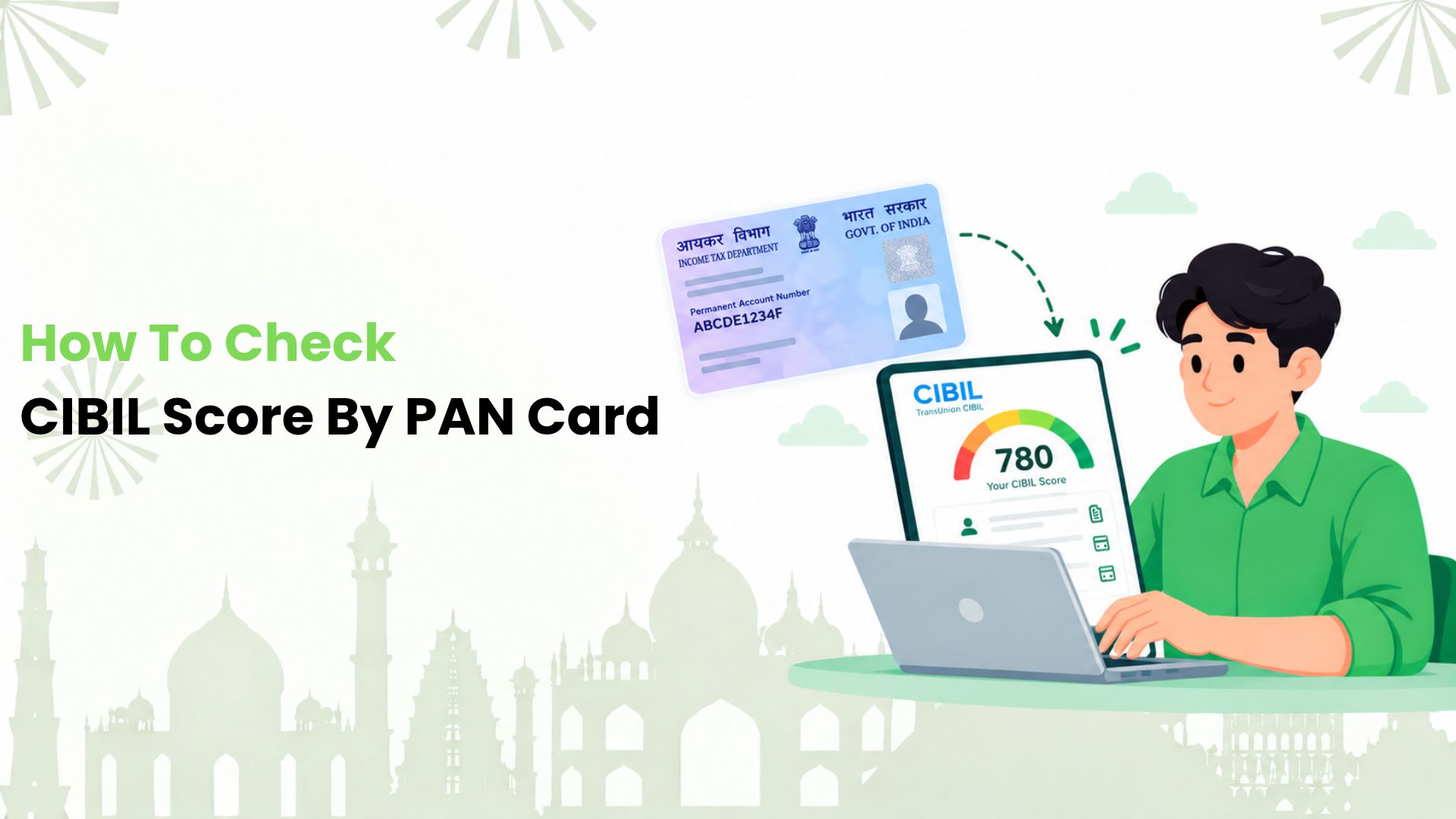
How To Check CIBIL Score By PAN Card

To check CIBIL score by PAN card, we need our PAN details and identity verification. For Indian borrowers and first-time credit card users, this is a useful step before applying for credit. Our PAN helps match our details to the right credit record. It does not reveal a score on its own. We can request […]

Best Airline Credit Card in India

Best Airline Credit Card in India: How We Compare the Options

Finding the best airline credit card starts with how we travel. For Indian travellers, the right choice depends on our preferred airlines, yearly spending and how easily we can use the rewards. A large welcome bonus means little if we cannot find a suitable flight to redeem it on. We compare four travel cards below, […]

Gpay Transaction Failed

Gpay Transaction Failed? What to Check and How to Fix It

A “Gpay transaction failed” message can leave Indian UPI users wondering where their money went. We recommend checking two things first: the payment status in Google Pay and the debit in your bank statement. Together, they help you decide whether to retry, wait or report the payment. We know the next step matters most when […]

Good CIBIL Score

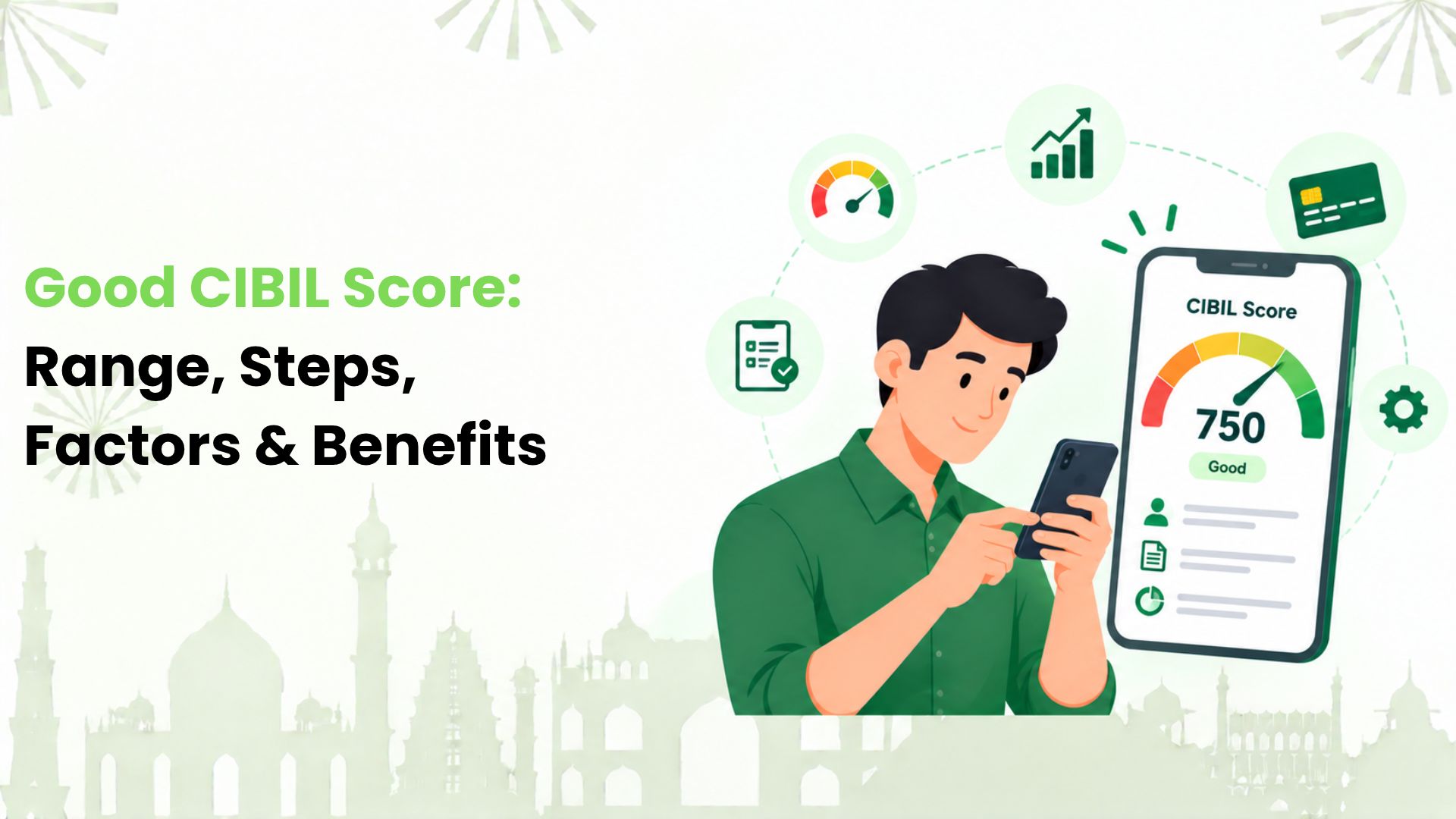
Good CIBIL Score: Range, Steps, Factors & Benefits

A good CIBIL score helps us make a stronger credit application. For Indian borrowers and first-time credit card users, a score of 750 or above is generally a strong position. But what if our score is 720, or we have no score yet? We can understand the number without chasing a perfect 900. Let’s look […]

Use Credit Card Wisely

How to Use a Credit Card Wisely: 7 Simple Habits

When we ask how to use a credit card wisely, we start with one rule: we spend only what we can repay. For first-time credit card users in India, small daily payments can quickly add up. Here is how we can stay in control without giving up convenience. 1. We Set Our Own Spending Budget […]

Credit Card Against FD

How to Get a Credit Card Against a Fixed Deposit

To get a credit card against FD, start by opening or selecting an eligible fixed deposit with the issuing bank. Then complete the application and KYC process and authorise the bank to mark a lien on the deposit. The FD acts as collateral, which makes this a secured credit card. For first-time credit card users […]

Buy Gold Using a Credit Card

Can You Buy Gold Using a Credit Card in India?

Can you buy gold using a credit card in India? Yes, in many cases I can. Many large jewellery stores and online platforms accept credit cards for gold jewellery, coins, bars, or digital gold. But I would not treat it like a regular grocery or food delivery payment. Gold is a high-value purchase, and a […]

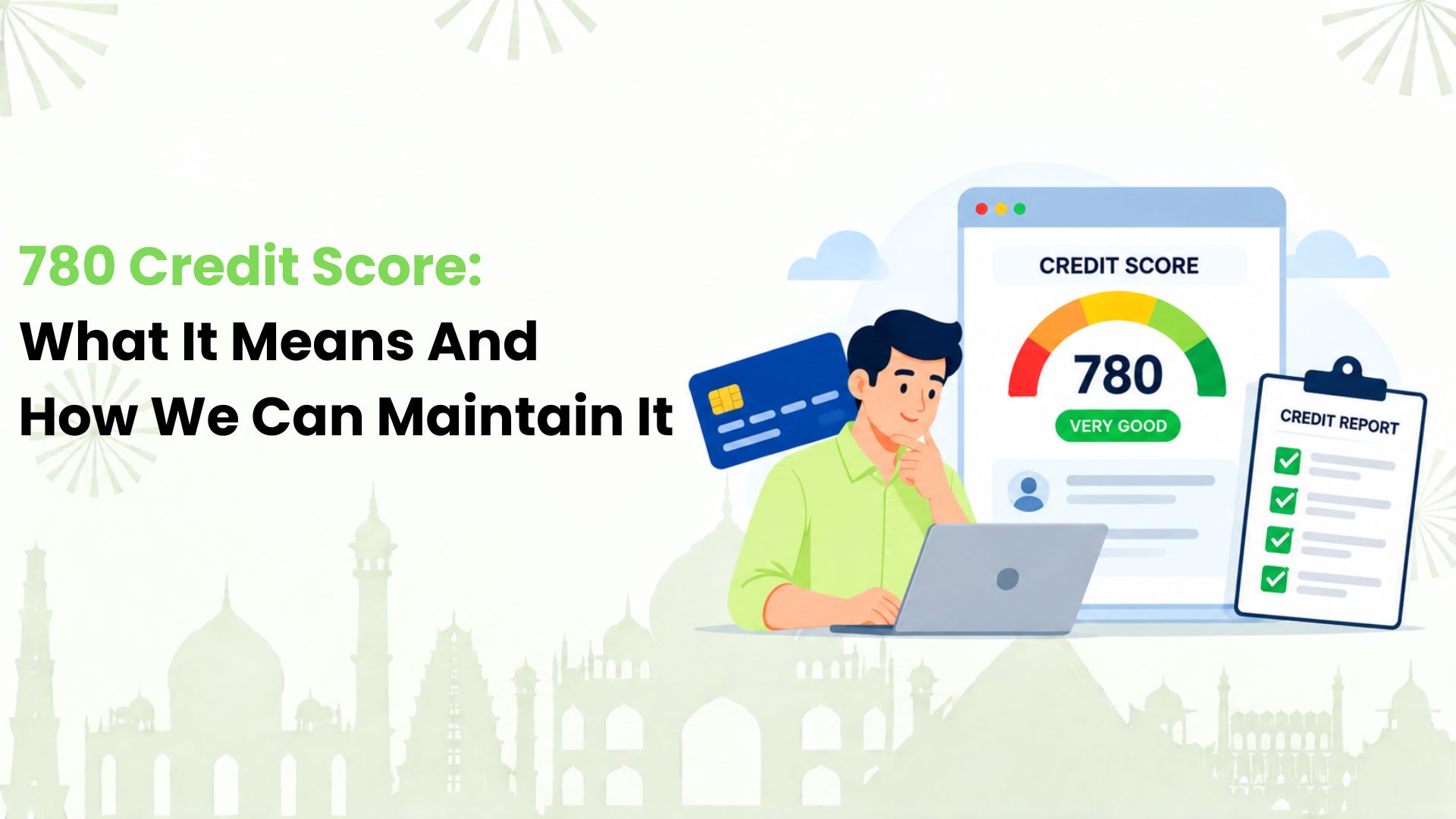
780 Credit Score

What Does a 780 Credit Score Mean?

780 Credit Score is a strong position for Indian credit users. If we have reached this number, it usually means our credit report shows responsible borrowing habits, such as timely repayments, manageable balances and limited recent credit stress. In India, credit scores usually range from 300 to 900. A higher score generally suggests lower credit […]