Guides & Tips
Best Credit Card for Business Owners in India: Fees, Benefits and Everyday Uses
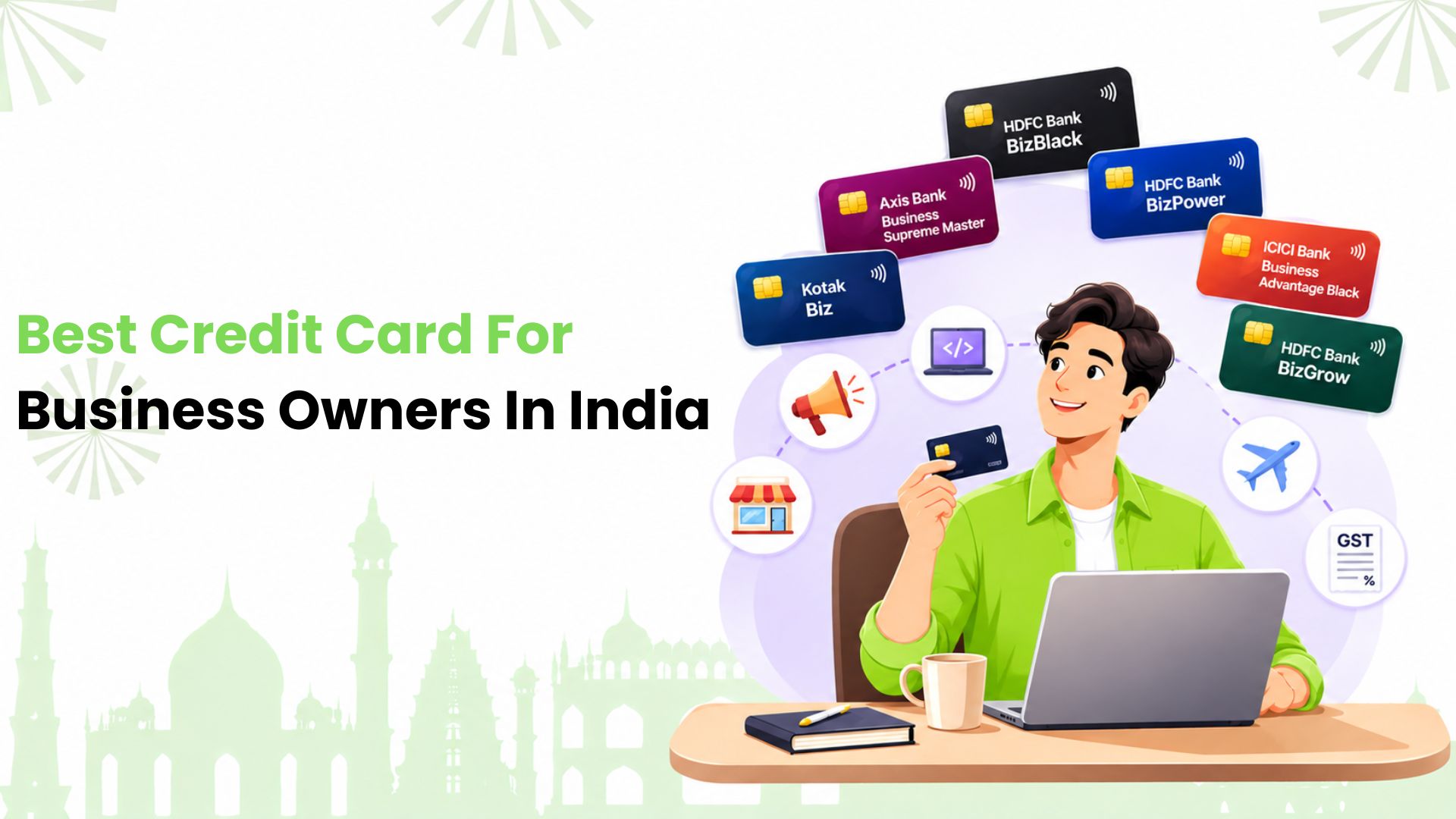
The best credit card for business owners depends on where the money goes. For Indian shop owners, consultants and entrepreneurs, advertising, software and travel can create different needs.
The right choice starts with matching those expenses to a card’s fees and usable benefits. This guide compares six dedicated business cards, then looks at how Kiwi can help business owners with everyday merchant payments.
Compare Annual Fees and Spending Needs
| Business credit card | Published annual fee, before applicable taxes | Potential fit |
| HDFC Bank BizBlack Metal Edition | ₹10,000 | Higher business spending across eligible taxes, software and travel |
| HDFC Bank BizPower | ₹2,500 | Advertising and selected operating costs with a lower fee than BizBlack |
| Axis Bank Business Supreme Master | ₹1,500 | Direct marketing, advertising and international purchases |
| ICICI Bank Business Advantage Black | ₹1,000 | Eligible spending where cashback and statement management matter |
| Kotak Biz | ₹499 | A lower-fee option for selected travel, advertising and supermarket purchases |
| HDFC Bank BizGrow | ₹500 | Smaller business budgets with selected bill and business-payment needs |
These are published standard renewal fees, checked in November 2026. Joining fees can differ. Confirm the current offer, taxes and terms before applying.
What Each Business Card Offers
HDFC Bank BizBlack Metal Edition: For Higher Operating Spends
BizBlack is worth considering for substantial recurring business expenses. It offers 5X Reward Points on selected categories, including eligible income-tax and GST payments, bill payments through specified channels, and business software bought through designated platforms.
A consultant paying for accounting software and client trips could find those categories useful. The accelerated programme has a qualifying statement-cycle spending threshold and reward caps. Check both before estimating returns.
The annual fee is ₹10,000 plus applicable taxes, with a published renewal-waiver threshold of ₹7.5 lakh in an anniversary year. Assess the fee against planned spending, without adding purchases just to reach a milestone.
HDFC Bank BizPower: For Advertising and Selected Business Bills
BizPower may suit an agency paying for digital advertising and team software. Its selected 5X categories include Google Ads, Meta Ads, eligible tax payments and specified software purchases.
The qualifying threshold is ₹25,000 per statement cycle, excluding income-tax and GST spending. The accelerated programme has a 7,500 Reward Points cap per statement cycle. A large tax bill alone therefore does not meet the qualifying-spend requirement.
The joining and renewal fee is ₹2,500 plus applicable taxes. The published renewal-waiver threshold is ₹4 lakh in an anniversary year.
Axis Bank Business Supreme Master: For Marketing-Led Expenses
A consultancy buying advertising services or overseas tools could consider this card. It offers 6 Reward Points per ₹200 on direct marketing and advertising, 8 Reward Points per ₹200 on international spending and 4 Reward Points per ₹200 on eligible domestic spending.
For overseas purchases, weigh the rewards against the published 3.5% foreign transaction markup and applicable taxes.
The joining and annual fee is ₹1,500 before applicable taxes. From the second year onwards, the annual-fee waiver requires ₹10 lakh of spending in the preceding year. Category exclusions and redemption value also affect the return.
ICICI Bank Business Advantage Black: For Cashback-Led Comparisons
Business Advantage Black offers a cashback-led option for eligible equipment purchases and services. The bank advertises up to 1% cashback, with rates linked to monthly spending and a ₹2,000 monthly cap.
Utilities, fuel, insurance, government and tax payments are among the excluded categories. Leave these out of the cashback estimate.
The joining fee is ₹1,500 plus GST. The renewal fee is ₹1,000 plus GST, waived when annual spending exceeds ₹7.5 lakh. Joining-fee reversal separately requires eligible spending of over ₹75,000 within 60 days of card issuance. The bank also offers card controls and downloadable statements through its portals.
Kotak Biz: For a Lower Annual Fee
Kotak Biz is a lower-fee option for owners keeping fixed costs down. Its published joining fee is ₹299 and annual fee is ₹499, before applicable taxes.
The card offers 4 Reward Points per ₹100 in selected categories, including direct marketing and advertising, supermarkets, domestic airlines, hotels and travel operators. Other eligible purchases earn 1 Reward Point per ₹100.
For a small operator buying supermarket supplies and occasionally travelling for work, merchant classification and redemption conditions matter. A lower fee alone does not establish better value.
HDFC Bank BizGrow: For Smaller Business Budgets
BizGrow may suit a sole proprietor paying recurring bills and booking occasional work trips. The joining and renewal fee is ₹500 plus applicable taxes. The published renewal-waiver threshold is ₹1 lakh in an anniversary year.
The bank lists 10X CashPoints on selected business expenses through specified channels, including eligible bills, taxes, software, and hotel or flight bookings. The accelerated programme requires minimum statement-cycle spending of ₹10,000 and has a 1,500 CashPoints cap per statement cycle.
Check the required payment routes and the value of the intended redemption. CashPoints do not have the same value as rupees.
How to Choose a Card for Your Business
Start with three recent months of expenses and separate recurring costs from occasional purchases. A large budget does not mean every payment qualifies for a card’s strongest benefits.
Four questions can help narrow the choice:
- Do the main expenses qualify? For advertising and software, check the merchant category and required payment channel. Direct purchases may not qualify for offers tied to a bank’s platform.
- Will the travel benefits be useful? Assess offers against trips already planned, then compare booking prices, cancellation terms and currency conversion costs.
- Can normal spending meet the conditions? Check monthly thresholds and annual-waiver requirements against a quieter year’s budget, rather than assume every month will be busy.
- Will the payment work? Confirm merchant and card-network acceptance and keep another suitable payment method available.
Calculate the Value After Costs
A useful calculation is:
Expected usable rewards and savings, minus annual fees, taxes and transaction costs, equals estimated net value.
For a hypothetical ₹4,00,000 of eligible annual spending, a usable return of 1% would mean ₹4,000 in benefits. After an assumed ₹2,500 annual fee, the difference would be ₹1,500 before taxes and other charges. These are illustrative figures, not a return promised by any card.
A fee waiver could improve that result, while transaction costs could reduce it. For Reward Points, use the value of a redemption you expect to make. Check expiry, minimum redemption requirements and any redemption fee. Leave unused vouchers or travel benefits out of the estimate.
Repayment, Liability and Team Spending
Decide how each purchase will be repaid before charging it. A credit limit is a payment facility, and relying on an overdue customer invoice to clear the bill could create repayment pressure.
Set due-date reminders and, where available, consider automatic payment of the total amount due while keeping enough money in the payment account. Paying only the minimum can leave interest charges on the balance. An unpaid previous bill can also affect the interest-free period under the issuer’s terms.
For EMI offers, compare the total payable, including processing fees, taxes and any early-closure charge, with the purchase price.
The agreement should make repayment liability clear. A company name on the card does not establish whether the owner or company is responsible. For employee spending, ask about authorised additional cards, individual limits, central statements and removing access when someone leaves. Never share a PIN, OTP or login.
What to Prepare Before Applying
Before applying, narrow the shortlist and check the issuer’s current eligibility and document requirements. Depending on the product, these may include identity and address documents, PAN, income-tax returns, bank statements and evidence of business activity.
Prepare for the application in four steps:
- Confirm the card accepts your applicant type and meets your spending needs.
- Check age, income and business-history requirements.
- Prepare consistent documents and read the fees, permitted use and repayment terms.
- Apply through an official channel and complete the issuer’s verification steps.
Keep the offer and fee-waiver conditions in writing. Approval and the credit limit remain the issuer’s decision.
Once the card is active, match business payments with invoices or receipts, keep personal expenses separate and review unfamiliar transactions promptly. A periodic check of actual fees and benefits would show whether the card still suits the business.
How Kiwi Fits into a Business Owner’s Everyday Routine
A business owner’s day moves between work and personal errands. For a consultant, that could mean lunch between client meetings. For a shop owner, it might be a coffee before opening or groceries after closing. Kiwi brings RuPay credit-card payments to eligible merchant UPI transactions, using the scan-and-pay flow many owners already use.
With a RuPay credit card through Kiwi, eligible merchant payments use the card’s credit limit rather than immediately drawing from a linked savings account. The amount still needs to be repaid through the credit-card bill. Kiwi’s UPI credit card guide explains the payment flow.
For owners juggling customers, appointments and daily errands, Kiwi combines eligible merchant payments and spending visibility in one app. A lifetime-free card keeps the card’s annual fee out of the equation, while 1.5% cashback on eligible Scan & Pay payments adds value to purchases already planned. Cashback is subject to the relevant reward and partner-card terms.
For commercial purchases, check the issuer’s permitted-use conditions first. Kiwi’s everyday payment offering should be assessed separately from a dedicated business card or employee-card programme. Merchant acceptance varies; transfers to individuals and restricted payment categories are not supported through this flow.
Kiwi’s partner-card references include YES BANK Klick, PNB Kiwi and AU Bank Kosmo. Applicants cannot choose the issuing card; allocation depends on credit score and partner-bank requirements.
Build Your Business. Make Everyday Payments Count.
Choosing a business card takes care of one set of payment needs. For the everyday purchases around your working day, see whether Kiwi’s scan-and-pay convenience and eligible cashback fit your routine.
Explore Kiwi and download the app to get started. Check the current card and rewards terms before applying, and plan to repay the total amount due on time. Card issuance is subject to partner-bank approval.
FAQs
Can Sole Proprietors Apply for a Business Credit Card?
Yes, some cards explicitly accept sole proprietors or self-employed applicants. A small operation may qualify, subject to the issuer’s income, business-history, documentation and credit requirements.
Is GST Registration Compulsory for Every Business Credit Card?
GST registration is not a universal card requirement. Applicants without it should check which business and income documents the issuer accepts. Card eligibility is separate from the business’s tax-registration obligations.
Is Paying GST or Income Tax by Credit Card Worthwhile?
It depends on the payment-route fees and usable rewards. Check qualifying thresholds and caps before calculating the return. If charges outweigh the benefit, another supported method may be more economical.
Can Personal Credit Cards be Used for Business Purchases?
The issuer’s permitted-use conditions determine this. Commercial spending can be restricted or excluded from benefits. For regular company purchases or employee spending, assess a product designed for those needs.
Does the Maximum Interest-Free Period Apply to Every Purchase?
No. A purchase near the statement date has less time until payment is due than one near the start of the cycle. Previous unpaid balances can also affect interest-free eligibility.
What if a Business is Too New to Qualify?
Ask what trading history the bank requires and whether a suitable secured option is available. Check any deposit conditions and build the required records. Approval is not guaranteed.
Is One Card Enough, or are Two Better?
One suitable card is often a simpler starting point. A second card could help with a distinct payment route or expense category, provided its value justifies the extra fees, statements and due dates.
Disclaimer: This article is intended for general informational and educational purposes only and should not be considered financial or credit card advice. Business credit card fees, reward rates, cashback, spending limits, eligibility criteria, fee waivers and other benefits are subject to the latest terms and conditions of the respective issuing banks. Readers should verify current offers, charges, permitted business uses and repayment conditions through official bank websites before applying. Credit card approval and credit limits depend on the issuer’s assessment and eligibility requirements. Kiwi’s RuPay credit card services are subject to partner-bank approval, merchant acceptance and applicable cashback terms. Kiwi does not guarantee credit card approval, rewards or specific financial benefits.
Apply
Get a RuPay credit card that works on UPI
Kiwi links an eligible RuPay credit card to UPI, so an everyday QR payment — groceries, fuel, a shop counter — can come from your credit line instead of your bank balance.
- RuPay credit card on UPI
- Pay by scanning any UPI QR
- Cashback on eligible spends
Approval and the card issued depend on your credit score and our partner banks’ criteria. Cashback is subject to the card’s terms.
Related · Guides & Tips